
- News
- lifestyle
- travel
- destinations
- 5 forbidden places on Earth and what happens if a tourist tries to visit them
5 forbidden places on Earth and what happens if a tourist tries to visit them
5 forbidden places on Earth and what happens if a tourist tries to visit them
The world may feel mapped, accessible, and familiar, but there are still places on Earth where entry is strictly forbidden. Though it feels strange that even in this day and age, there are such places, it is important to note that these locations are closed not because they lack beauty or intrigue, but because they pose serious risks to human life, national security, cultural survival, or global safety. For travellers driven by curiosity, these places often spark the strongest fascination. But attempting to visit them can lead to arrest, heavy fines, forced removal, lifelong bans, or even death. Here’s a look at five of the most forbidden places on Earth, and exactly what happens if a tourist tries to cross the line.
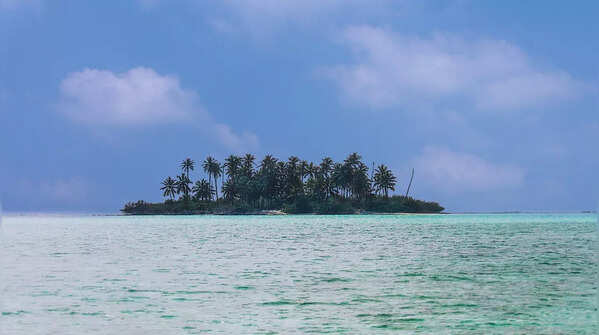
North Sentinel Island, India
North Sentinel Island is home to the Sentinelese, one of the world’s last uncontacted tribes. The island has been off-limits for decades under Indian law to protect the tribe from diseases and external influence. While that’s true, it is also off-limits for outsiders’ safety, as the islanders are known to be very violent towards any outsiders. There are several reports from decades ago that state that the islanders have always been hostile to outsiders. Even in recent years, there have been instances where outsiders were met with death (at the hands of the islanders) or severe punishment under Indian law. Entering the exclusion zone around the island is illegal. Anyone attempting to land faces arrest, prosecution under Indian law. There are no rescues, no guided tours, and no exceptions. Even the Indian government does not attempt contact.
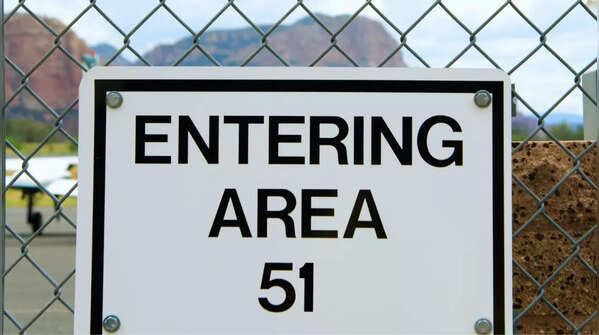
Area 51, United States
Area 51 is located in a remote desert in Nevada, and is one of the most secretive military installations in the world. It is officially part of the Nevada Test and Training Range, but the site is mostly popular because of several UFO theories. The base is always heavily guarded. Tourists can legally visit nearby towns and view Area 51 warning signs, but crossing restricted boundaries is a serious federal offence. Trespassers will be intercepted by armed security, and may face federal charges. Photography is strictly prohibited, and vehicles can be seized.
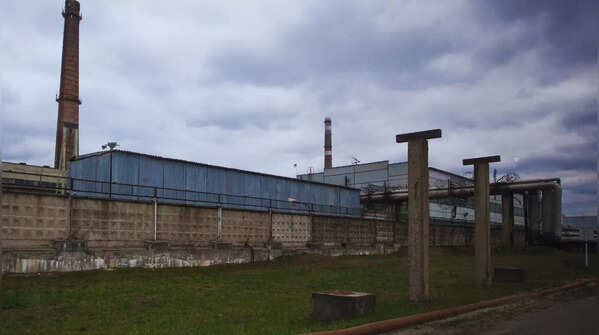
Chernobyl Reactor 4 (Inner Zones), Ukraine
Did you know that the broader Chernobyl Exclusion Zone is open to controlled tourism? However, the certain inner zones, especially areas around Reactor 4, remain strictly forbidden due to dangerously high radiation levels. Yes, you read that right. Even after decades, the site is still dangerously radioactive. The disaster happened back in 1986. So what happens if a tourist tries to enter restricted areas? Entering unauthorized zones can lead to immediate detention, heavy fines, and expulsion. But that’s nowhere compared to the serious risks of radiation exposure.

Snake Island (Ilha da Queimada Grande), Brazil
Are you even surprised? Snake Island lies off Brazil’s coast and is home to thousands of golden lancehead vipers, and believe us when we say they are one of the most venomous snakes in the world. The island is closed to the general public to protect both humans and the critically endangered snake species. Only authorised scientific researchers are allowed access. Trespassers face arrest and fines, but before that one will have to deal with the real danger – the fatal snake bite. Any emergency treatment is nearly impossible to access from the island. Here, tourism is completely banned.

Vatican Apostolic Archive, Vatican City
The Vatican Apostolic Archive is a vast collection containing centuries of papal documents, royal correspondence, and sensitive historical records. Scholars are allowed access to limited sections, however, many areas remain strictly restricted. This extremely limited access helps preserve the fragile documents and controls access to sensitive historical material. So what happens if a tourist tries to access restricted areas? Unauthorised entry can lead to permanent bans from Vatican institutions, confiscation of materials, and potential legal action under Vatican law. Security is discreet but extremely strict. A ban is rarely restored.
Featured In lifestyle

MORE FROM ETIMES
life & style