

Peter
UA2 hrs 2 minsReleased: 10 Apr, 2026
Kannada
Drama
& Suspense
3.0
Critic's Rating
3.0
Users' Rating
About the Movie
Peter follows a man returning to his hometown after a long time, forced to confront painful memories and unresolved trauma from his past. As the story moves between two phases of his life, hidden truths, strained relationships, and emotional wounds gradually come to the surface.
Cast




Peter Movie Review: a technically strong and emotionally uneasy drama

The Times of India
Apr 11, 2026, 11:10 AM IST3.0
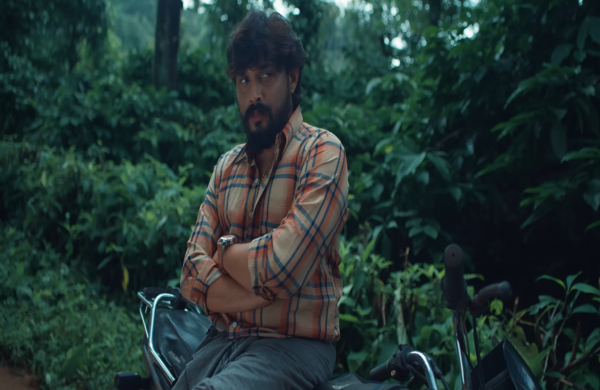
By Susmita Sameera Peter begins with its central character returning to his hometown after a long time. Burdened by two traumatic incidents from his past, Peter leaves Kasargod, where he has been living, and travels back to Madikeri in an attempt to confront the memories he has long avoided. Although the town has changed, the emotional scars remain. From the moment he arrives, even the local auto driver recognizes him, hinting at the weight of his past and the reputation he carries. The film moves at a measured pace, constantly shifting between the past and present. Through this structure, two versions of Peter emerge. In the past, he is shown as a respected and well-liked figure in the village, surrounded by friends and leading a Chande team. He is charismatic, dependable, and deeply valued by those around him. In the present, however, he has become distant, withdrawn, and isolated. Many people believe he has done wrong and seek revenge against him. He struggles to cope with his emotionally unstable mother, his alcoholic father, and his own unresolved trauma. Peter’s character is also shaped by his faith. Though he is Christian, he is devoted to Krishna and treats playing the Chande as a form of seva. This spiritual and cultural connection adds depth to his personality and becomes an important part of the narrative. The story introduces two women who play significant roles in Peter’s life. Meera belongs to his past. She arrives in the town for her education and gradually falls in love with Peter because of his charm and presence. Their relationship is initially warm and hopeful before circumstances eventually tear it apart. In the present, there is Radha, a temporary PT teacher who has recently moved to town. She is living alone with her young son, who studies in the first standard. Because of Peter’s family situation, there is an ongoing silent conflict and emotional distance between them, though the reasons behind it are revealed gradually. Alongside these relationships, the film includes several subplots and backstories that add further layers to the narrative. The performances are consistently strong. Raajesh Dhruva holds the film together with a committed performance as Peter. Janvi Rayala brings quiet strength to Radha and delivers some of the film’s most intense moments towards the end. Raviksha Shetty portrays Meera with softness and vulnerability. The most haunting performance comes from Raam NadaGoud as Shambu. Rather than portraying a typical antagonist, he creates an unsettling presence through manipulation and unpredictability. Prathima Nayak and Radhakrishna Kumble, as Peter’s parents Mary and Joseph, handle a wide emotional range effectively. Bharath GB also leaves an impact despite limited screen time. Technically, the film is well crafted. Guru Prasad Narnad captures the beauty of Coorg while maintaining the intensity of the drama through realistic and carefully framed visuals. The music by Ritvik Muralidhar supports the emotional tone of the film effectively, particularly through the use of Chande, which almost functions as a character in itself. Peter is ultimately a slow-burning drama that becomes increasingly intense as it progresses. It is not an easy watch and can be deeply disturbing in places. The pacing occasionally feels stretched, and certain dramatic moments may seem excessive. Some sections of the story and a few character arcs also create a sense of lag and discomfort. However, for viewers who appreciate emotionally heavy dramas with suspense and an unsettling atmosphere, the film may still be worth watching. While it has its share of flaws, it remains a technically strong and well-acted film that attempts to tell its story in a distinct way.
User Reviews
0/1500
Post ReviewTrailer

Peter - Official Teaser

Photos




Latest Movie Reviews



Hot on the Web
Swaroop Sampat RawalR MadhavanRanbir KapoorAamir KhanMohanlalVedang RainaTraditional Indian FoodsDhurandhar 2 OTT ReleaseJyotikaDrishyam 3 Box Office CollectionAishwarya Rai BachchanVinod KhannaDeepika PadukoneKavya MaranChand Mera Dil Box Office CollectionNiranjana DesaiElon Musk QuoteUnique Fruit TreesKaruppu Box Office CollectionDhurandhar 2Abhijeet DipkePopular FoodMichael JacksonSnake Parks in IndiaKangana RanautHemant ModiBaby NamesDhurandhar 2 Box Office CollectionRaja Shivaji Box Office CollectionHoroscope TodayCuba Drone ThreatFatah 3 VS BrahmosUS Powerball LotteryRajnath SinghUAE Nuclear PlantSanjeev AroraNyt ConnectionsEpic Fury 2.0Legal Document PropertySuryastraS 400Captions For Instagram Posts
Trending Topics
Latest MoviesBollywood MoviesHollywood MoviesTamil Movies 2026Telugu Movies 2026Malayalam Movies 2026Kannada MoviesMarathi MoviesBengali Movies 2026Top Rated Movies 2026Best Hindi MoviesBest English MoviesBest Telugu MoviesBest Tamil MoviesBest Malayalam MoviesBest Kannada MoviesBest Bengali MoviesUpcoming Hindi MoviesBest Movies Of All TimeBest Hindi Movies of All TimeLatest English MoviesLatest Malayalam MoviesEnglish TV NewsTamil TV NewsTelugu TV NewsMalayalam TV NewsKannada TV NewsMovie ReviewsBhojpuri Cinema NewsGujarati Cinema News
Popular Categories
Viral NewsK Pop NewsWeb Series NewsAnime NewsUpcoming English MoviesUpcoming Tamil MoviesUpcoming Telugu MoviesUpcoming Malayalam MoviesUpcoming Kannada MoviesFashion TipsTravel NewsEntertainment NewsBollywood NewsTollywood NewsKollywood NewsMollywood NewsFood NewsLatest Hindi MoviesLatest Tamil MoviesParenting TipsHome RemediesWeight LossBeauty TipsParenting TipsHindi VideosHindi Video SongsBhojpuri Music VideosLatest Telugu MoviesBhojpuri Music VideoHindi TV News
Latest News
Hazaribag man drowns while fishing in lake"Behen Darr Gayi!": Fans relive ‘Bhagam Bhag’ era after watching Akshay Kumar's 'Bhooth Bangla' trailerMBOSE HSLC result 2026 to release tomorrow: Check details hereIran war risk: JPMorgan CEO Jamie Dimon warns of oil shocks, sticky inflation and higher interest ratesMake your clutch last longer with these easy driving tips“Three-against-one situation”: El Rubius opens up on being “targeted” in MrBeast’s viral $1M challengeBihar BTSC lab assistant notification released for 1091 posts at btsc.bihar.gov.in; apply hereIPL craze costs techie Rs 1.46 lakh in fake RCB vs CSK ticket scamRaising “robot-proof” kids: Why creativity and curiosity matter more than everInside ‘Satguru Sharan’: Exploring Saif Ali Khan and Kareena Kapoor Khan’s Rs 100 crore Bandra homeHow selling Alaska in 1867 was a costly mistake for Russia'Hera Pheri 3 is coming': Paresh Rawal dismisses delay reports and reveals he will 'start shooting soon'US-Iran War: A daring rescue Hollywood blockbuster is on its way. Till then, pick your favourite from these 10 films on bringing someone home against all oddsKolkata team unveils fan mural at Rash Behari Avenue, celebrating city’s first loveHow US spread a lie to rescue a pilot of a jet shot down in IranNetflix unveils ‘VOID’, an AI model that can change a movie plotAI data centers are causing 'stress' not just to tech companies, but also private insurers"Trans women are.....": Clavicular’s viral moment with trans women sparks fresh conversation on internet culture