
- News
- Relationships News
- 5 reasons why someone dislikes you - And why is it not your problem
5 reasons why someone dislikes you - And why is it not your problem
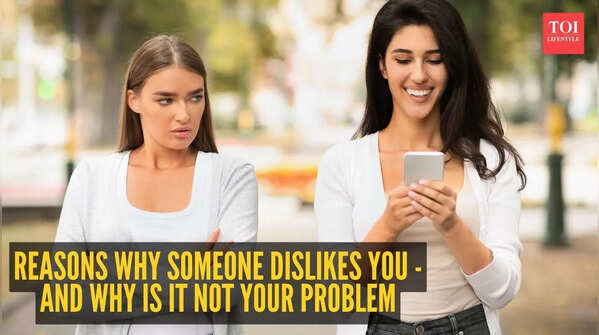
Reasons why someone would dislike you
People dislike others for reasons that often have nothing to do with the person they target. It’s painful to be on the receiving end of coldness or criticism, especially when you’ve acted with integrity, kindness, or calm confidence. Yet understanding why someone dislikes you can be liberating: it shifts the focus from self-blame to clear observation. In many cases their reaction reveals more about their inner world — insecurities, expectations, or past hurts — than it does about your value. Below are five common reasons someone might dislike you, each explained with practical perspective, and why their feelings are not your responsibility to fix.

You remind them of their insecurities
When your confidence, discipline, or independence is visible, it can act like a mirror for others’ self-doubts. Instead of inspiring growth, that reflection may trigger shame or resentment because it highlights what they feel they lack.Their hostility often masks a fear of comparison: it’s easier to put you down than to face uncomfortable gaps in themselves. Recognising this helps you detach emotionally — their reaction is a defence, not an evaluation of your worth. Respond with compassion when possible, but don’t take on the work of repairing their self-image for them.

You set boundaries they don’t benefit from
Saying “no,” protecting your time, or refusing to be the default emotional labourer upends people who expect constant access or control. When someone’s accustomed to preferential treatment, your healthy limits feel like a loss to them, and resentment can follow.Their dislike is often rooted in entitlement and disappointment, not in anything hostile you’ve done. Maintaining boundaries is essential for your wellbeing; if it costs you people who expected unlimited access, it’s often a sign those relationships weren’t mutual or sustainable.

They created a version of you in their head
People form stories quickly — from a single interaction, gossip, or an unguarded moment — and sometimes they never check those narratives. If someone dislikes you based on assumptions or a misread situation, you’re dealing with a fictional version of yourself, not the real person. You can clarify or correct when it matters, but you cannot chase every invented storyline. Accept that some people will prefer their neat story over the messy truth; that preference is their choice, not your failure.

Your personality simply doesn’t match theirs
Not every temperament or style clicks, and that’s normal. Differences in energy, communication, values, or humour can create friction that looks like dislike but is really incompatibility. This kind of mismatch isn’t a moral indictment — it’s chemistry (or the lack of it). Trying to force alignment usually taxes authenticity. Instead, focus on relationships where your traits are appreciated or complementary; mismatches are simply misplaced fit, not proof that you must change.

They are projecting unresolved emotions
Projection happens when someone redirects their unresolved anger, jealousy, or grief onto a convenient target — sometimes you. You may be disliked not because of anything you did but because you’re present when old hurts resurface.Understanding projection reframes the interaction: their reaction is a symptom of their inner work, not your behaviour. Keep boundaries, avoid absorbing their turbulence, and suggest help if the relationship matters; otherwise, protect your emotional space.

Why it’s not your problem
You are not responsible for everyone’s feelings or for repairing every misperception. Being disliked doesn’t automatically mean you did something wrong, nor does it require you to chase universal approval at the cost of authenticity.
Featured In Relationships

