
- News
- Relationships News
- Staying after your partner cheated on you? 5 therapist-approved rules for moving forward
Staying after your partner cheated on you? 5 therapist-approved rules for moving forward

Staying after your partner cheated on you? 5 therapist-approved rules for moving forward
Infidelity cuts deep, regardless of how long the betrayal lasted. After infidelity, the person being cheated on often finds themselves at a crossroads. They face a pivotal decision – whether to end the relationship or work towards healing. There are no universally right or wrong choices here, because you are the only person who truly understands what this relationship means to you.

The non-negotiables
If you choose to stay and rebuild trust and reconnect after your spouse’s affair, you should have some non-negotiable boundaries. Amy Lombardi, a licensed couples therapist based in Texas, has shared some boundaries that matter most in this journey. “As a couples therapist of 25 years, I’ve worked with countless couples who’ve decided to stay together after an affair. It’s possible to not only survive but thrive. But it’s not going to work without holding these five boundaries,” the therapist said in a video shared on Instagram. Let’s take a look at those boundaries.
Complete separation from the other person
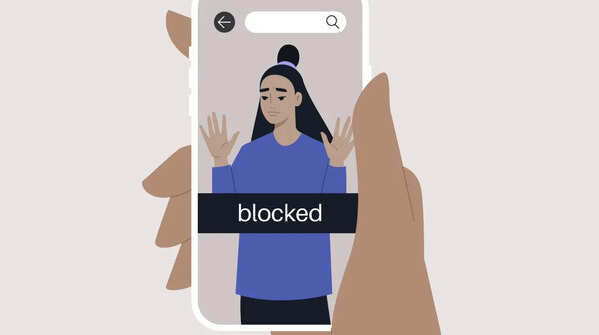
The unfaithful partner must be willing to completely cut ties with the person they had an affair with. This is very important if you are planning to move forward. Your spouse should communicate this to their ex-fling. This works best when it’s in writing. Something like this – “I’m working on my marriage respectfully. Please do not contact me ever again.” Sometimes, the person your partner had the affair with could be a familiar face – someone from work, a neighbour, or a person linked to you, such as a parent from your child’s basketball class. So what do you do in such a situation? “In those cases, there may still be times when you see that person, but there should be as limited contact as possible – professional and logistical only. That’s it. It should be very clear that you’re working on your relationship,” the therapist says.

Total transparency
This time, you and your partner are trying to rebuild the relationship, which means transparency is non-negotiable. The unfaithful partner should be willing to share credit card statements, phone records, and location information openly. Transparency should be their responsibility. This means no deleting texts, no hidden apps, and no private accounts. All these are crucial because there is now a seed of doubt in the relationship. So, the unfaithful partner must remain transparent.

Patience
Maybe the affair didn’t mean anything to your spouse, or maybe it did. Regardless of how significant or insignificant the affair was, rebuilding your marriage is going to take time. It won’t happen overnight. Partners should be willing to understand that this is a long road. It’s going to take time. “And if, at three months or six months or even a year later, someone says, ‘Well, aren’t we over this yet?’ – no, this is a process. It is going to take time. A major trust breach has happened – something that can actually cause post-traumatic stress disorder symptoms in the person who was betrayed,” the therapist explains.

Seek professional help
What you and your partner are going through is not easy. If you are the one who was betrayed, you may be dealing with deep hurt, anger and confusion. And if you are the one who cheated, you may be carrying guilt, shame or fear of losing the relationship. Guess what’s going to help – professional help. A couples therapist who specialises in infidelity, a recovery group or a therapist can help you on this journey. Is it going to be expensive? Yes, it is. But it will surely help.

Space for questions and reassurance
Doubt is going to be a constant in the initial stages of this process. So, as the betrayed partner, you have the right to ask questions when you need answers. You have the right to tell your partner when you are triggered and need reassurance. You deserve comfort on difficult days. You should never feel guilty for expressing these needs. Because, ultimately, the deepest pain of infidelity is carried by the one who was betrayed.
Featured In Relationships

