
Rituals & Puja
 Amavasya in May 2026: When is Jyeshtha Amavasya? Check date, rituals and significance
Shani Amavasya, also known as Jyeshtha Amavasya, will be observed on May 16, 2026. This potent New Moon day honors ancestors and Lord Shani Dev, offering an opportunity to appease them and mitigate Shani dosha. Married women will also observe Vat Savitri Vrat for their husbands' well-being.
- When is Shani Amavasya 2026? Check correct date to celebrate Shani Jayanti
Hindus will celebrate Shani Jayanti, also known as Shani Amavasya, on May 16, 2026, commemorating the birth of Lord Shani, the planet representing karma and justice. Devotees will offer prayers, fast, and perform remedies to appease the deity and mitigate Shani dosha. Key practices include visiting Shani temples, lighting diyas, and donating specific items.
- When is Jyeshtha Amavasya 2026? Shani Jayanti, Vat Savitri Vrat, Puja Rituals and Significance
May 16, 2026, marks Jyeshtha Amavasya, a highly auspicious day for spiritual practices and honoring ancestors. This date also coincides with Shani Jayanti, celebrating Lord Shani Dev, and Vat Savitri Vrat, observed by married women for their husbands' longevity. Devotees engage in sacred baths, offerings, and charitable acts for spiritual merit and ancestral peace.
- Apara Ekadashi 2026: Date, parana time, puja rituals and significance
Apara Ekadashi, a highly auspicious day dedicated to Lord Vishnu, will be observed on May 13, 2026. This fast, believed to bestow immense blessings and cleanse past transgressions, is observed by devotees with rigorous devotion. The spiritual significance of Apara Ekadashi lies in its power to purify the mind and spirit, leading to happiness and prosperity.
- Second Bada Mangal on May 12, 2026: Coincides with Telugu Hanuman Jayanti, How to worship?
The second Bada Mangal, observed on May 12, 2026, is a highly auspicious day dedicated to Lord Hanuman. This day, coinciding with Telugu Hanuman Jayanti, holds significant religious importance as it commemorates Lord Rama's encounter with Hanuman. Devotees perform various puja rituals, chant mantras, and offer specific items to seek blessings.
- When is Padmini Ekadashi 2026 May? Check date, parana time and significance
Padmini Ekadashi, a highly auspicious day for worshipping Lord Vishnu, will be observed on May 27, 2026. This observance, falling on the eleventh day of the Adhika Jyeshtha Shukla Paksha, is believed to help devotees atone for sins and secure a place in Vaikunta Dham. The fast involves specific rituals and prayers to Lord Vishnu.
- Powerful spiritual practices that attract positive energy
Mornings hold immense power to shape your day, influencing mood and energy. Hindu culture emphasizes mindful practices like meditation and prayer for positivity and balance. Waking early during Brahma Muhurat, practicing gratitude, meditation, Naam Japa, and offering water to the Sun are highlighted as potent rituals to attract positive energy and enhance well-being throughout the day.
- Kalashtami May 2026: Date, timings, puja rituals and significance
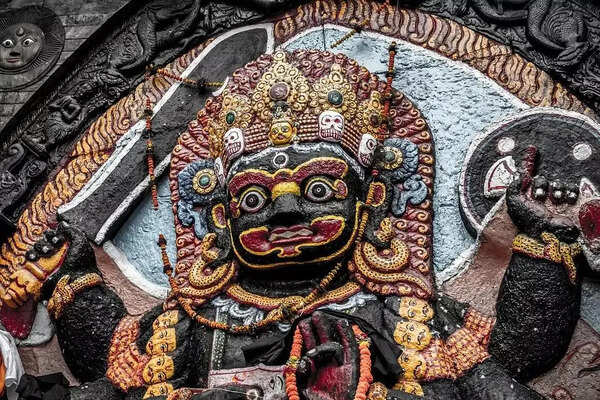
Kalashtami, a significant Hindu festival honoring Lord Kaal Bhairav, is observed on May 9, 2026. Devotees will fast from dawn to dusk and perform pujas to appease the fierce manifestation of Lord Shiva. This day is dedicated to seeking blessings, protection from negative energies, and the fulfillment of wishes. Rituals include bathing, observing fasts, and chanting mantras.
- When is Kalashtami in May 2026? Check date, rituals and significance
Kalashtami, a significant day for worshipping Lord Kaal Bhairav, falls on May 9, 2026. Devotees observe fasts and perform rituals to seek his blessings for wish fulfillment and protection from negativity and fear. Visiting temples and chanting mantras are key practices to appease the fierce manifestation of Lord Shiva.
- When is Apara Ekadashi 2026? Check correct date of first Ekadashi in May
Apara Ekadashi, dedicated to Lord Vishnu, will be observed on May 13, 2026. This auspicious fast, falling on the 11th day of the Jyeshtha Krishna Paksha, is believed to bestow spiritual growth, inner peace, and liberation from the cycle of birth and death.
- Important fasts in your lifetime for spiritual growth and positivity
Hinduism emphasizes fasting for spiritual growth, mental purity, and discipline. Key fasts like Ekadashi, Purnima, Mahashivratri, Karwa Chauth, and Monday fasts are observed for specific deities and purposes, fostering inner peace, well-being, and divine blessings.
- Bada Mangal 2026 Date: 8 Budhwa Mangal in Jyeshtha month; know significance and rituals
Bada Mangal, also known as Budhwa Mangal, is an auspicious day dedicated to Lord Hanuman, observed by devotees in the Hindu month of Jyeshtha. This year, 2026, is special with 8 Bada Mangal days due to an Adhik Maas, offering devotees ample opportunities for worship and spiritual enlightenment. Rituals include fasting, offering specific items to Hanuman, and chanting mantras.
- Ekdanta Sankashti Chaturthi 2026: Date, moonrise time, puja rituals and significance
Devotees will observe Ekdanta Sankashti Chaturthi vrat on May 5, 2026. This day honors Lord Ganesha, the Pratham Pujya. The fast begins at dawn and ends after moonrise. Rituals include prayers, chanting mantras, and offering bhog. Lord Ganesha is worshipped for removing obstacles and bringing prosperity. The vrat requires adherence to sattvik practices.
- Ekadashi in May 2026: Date, parana time, puja rituals and significance of Apara and Padmini Ekadashi
May 2026 brings two significant Ekadashi observances, Apara Ekadashi and Padmini Ekadashi. These days are dedicated to Lord Vishnu, offering devotees a powerful opportunity for spiritual growth. Observing Ekadashi involves fasting, prayer, and self-discipline. Devotees can purify their mind, body, and soul. The rituals include waking early, chanting mantras, and offering prayers.
- Purnima in May 2026: Date, moonrise timings, puja rituals and significance of Vaishakha Purnima
Hindus observe Vaishakha Purnima today, May 1, 2026, a sacred day dedicated to Lord Vishnu and the Moon God. Devotees undertake fasts, perform Satyanarayan puja, and seek blessings. This day also marks Buddha Purnima, celebrating Lord Buddha's birth, making it significant for both Buddhists and Hindus. Rituals include holy dips and offering prayers.
- Satyanarayan Puja May 2026: Date, time, puja rituals and significance of Purnima Vrat
The Satyanarayan Vrat, dedicated to Lord Vishnu, will be observed on May 1, 2026, coinciding with Vaishakha Purnima. This auspicious full moon day holds immense religious significance, with devotees performing Satyanarayan Puja and observing a fast from dawn to dusk to appease the deity and worship the Moon God.
- Vaishakh Purnima 2026 Date: Check puja rituals, moonrise timings and significance
Vaishakha Purnima, observed today, May 1, 2026, is a highly significant day for Hindus and Buddhists, marking Lord Buddha's birth. Devotees worship Lord Vishnu, perform Satyanarayan puja, and observe fasts from dawn till dusk. The day is also dedicated to worshipping the Moon God, seeking blessings and spiritual fulfillment.
- Bhaum Pradosh Vrat April 2026: Date, timings, puja rituals and significance
Devotees will observe Bhaum Pradosh Vrat on April 28, 2026, a highly auspicious day dedicated to worshipping Lord Shiva and Goddess Parvati. This Tuesday Pradosh is believed to bestow blessings of happiness, health, and prosperity. Rituals include fasting, prayers, and chanting mantras, with specific observances for those influenced by Mars.
- Mohini Ekadashi 2026 Fasting Rules: Do's and don'ts to follow during fast
Mohini Ekadashi, honoring Lord Vishnu's Mohini Avatar, is observed on April 27, 2026. This auspicious day involves waking early, bathing, maintaining celibacy, and abstaining from tamasic food. Devotees are encouraged to worship Lord Vishnu, visit temples, and engage in spiritual activities, breaking their fast during the designated parana time.
- Mohini Ekadashi 2026: Date, parana time, puja rituals, story and significance
Mohini Ekadashi, a sacred day dedicated to Lord Vishnu, will be observed on April 27, 2026. This powerful day, falling in the Vaishakha month, is an opportunity for devotees to observe a rigorous fast for spiritual growth, blessings, and liberation from the cycle of birth and death. The fast concludes on Dwadashi, with specific parana times provided.
- Skanda Sashti April 2026: Date, time, rituals and significance
Skanda Sashti, honoring Lord Skanda, son of Shiva and Parvati, is observed on April 22, 2026, during Vaishakha. This significant day, especially in South India, involves fasting and prayers to the warrior deity Murugan for protection from negativity and for spiritual growth. Devotees perform rituals, offer Prasad, and seek divine blessings.
- Mohini Ekadashi 2026: When is Mohini Ekadashi? Check date, time and significance
Devotees across India are gearing up to observe Mohini Ekadashi on April 27, 2026, a highly auspicious day dedicated to Lord Vishnu. This significant occasion commemorates Lord Vishnu's Mohini avatar, believed to have secured the Amrit Kalash. Observing the fast and performing puja rituals are thought to bring immense happiness and prosperity.
- Amavasya in April 2026: Know the importance of darkest night
Vaishakh Amavasya on April 17, 2026, is a highly significant day in Hinduism, dedicated to ancestor worship and spiritual introspection. This potent night offers an opportunity for individuals to connect with divine power, seek blessings, and experience renewal. It is considered a period of transformation and hidden potential.
- Vaishakh Amavasya on April 17, 2026: Do's and don'ts to follow on Amavasya
Vaishakha Amavasya arrives on April 17, 2026. This significant day is dedicated to honoring ancestors. Devotees can perform rituals for their salvation. Certain activities are advised against, including auspicious ceremonies and new purchases. Feeding the needy and performing specific rituals like lighting a diya under a peepal tree are recommended. These practices aim to bring peace, prosperity, and spiritual growth.
- Vaishakh Amavasya 2026: Check date, timings, rituals and significance
Vaishakha Amavasya, observed on April 17, 2026, holds immense religious significance for Hindus. Devotees honor ancestors through Pitru tarpan and Pind daan. The day is ideal for spiritual purification, performing good deeds, and seeking blessings by worshipping the trinity and peepal trees. Rituals include holy dips and feeding the needy.
- Vaishakh Amavasya 2026: When is Vaishakha Amavasya? Check date, rituals and significance
Vaishakha Amavasya, observed on April 17, 2026, holds immense significance in Hinduism for ancestor worship and spiritual cleansing. Devotees perform rituals like offering water to the Peepal tree, believed to house the Trinity God, and lighting diyas to ward off negative energies. Acts of charity and feeding animals are also encouraged to appease forefathers and seek divine blessings.
- Solar New Year 2026: Date, time, rituals and significance of Mesha Sankranti
Solar New Year, also known as Mesh Sankranti, is being observed today, April 14, 2026, marking the Sun's transition into Aries and the start of a new solar year. Celebrated across India with various regional festivals, this auspicious day signifies new beginnings, prosperity, and growth.
- Day-wise Tulasi-puja rituals: Simple offerings to attract prosperity and peace
Hindus offer specific items to the sacred Tulasi plant daily, believing it strengthens their connection to Goddess Lakshmi and Lord Vishnu. These rituals, including offerings like milk, flowers, and grains, are thought to bring blessings for health, wealth, and well-being. Consistency in worship is emphasized as key to spiritual benefits.
- Varuthini Ekadashi 2026: Date, parana time, puja rituals and significance
Varuthini Ekadashi, dedicated to Lord Vishnu, will be observed on April 13, 2026. This auspicious day offers devotees an opportunity to seek blessings for happiness, prosperity, and spiritual growth. Observing the fast is believed to remove sins and provide protection, leading to stability in life.
- Masik Kalashtami 2026 Dates: Check Kalashtami calendar for the whole year
Kalashtami, a significant Hindu day, is dedicated to worshipping Lord Kaal Bhairav, the fierce form of Lord Shiva. Devotees observe fasts from sunrise to sunset to appease him, seeking protection, power, and blessings. Lord Kaal Bhairav is believed to control time and death, and his worship helps eliminate negative elements like lust, anger, greed, attachment, and ego.


Religion trending News

- LiveMaha Shivratri 2026 Live Updates: Date, time, mantra, history, puja vidhi and significance
- Remedies for Marriage and Progeny on Sita Navami
- Navratri 2024: Maa Durga temples in India you can visit during Navratri this year
- Navratri 2024: Maa Durga 108 names you can chant to bring auspiciousness and prosperity to your home


