
- News
- Science News
- Bariatric surgery more effective than drugs for diabetics, who are obese: study
This story is from March 12, 2024
Bariatric surgery more effective than drugs for diabetics, who are obese: study
Bariatric surgery is more effective than medical management for long-term diabetes control, resulting in improved glycaemic control, diabetes remission rates, and reduced medication use. However, it carries risks of nutritional deficiencies, gastrointestinal adverse events, and bone fractures. The surgery is not widely embraced, with patients preferring pharmaceutical options.
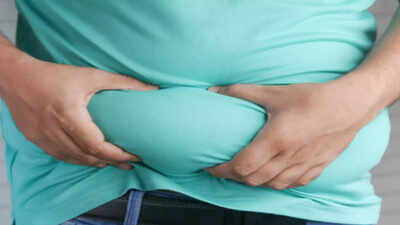
But a new study, based on 11-year follow-up of more than 300 people who either underwent bariatric surgery or chose medical/lifestyle management for diabetes control in the US, claims that surgery is more effective and resulted in long-term improvement for glycaemic control while using fewer medications and weight loss.
In parallel, increased rates of diabetes remission and reductions in medication use (including insulin) were observed in surgically treated participants, the study published in the Journal of American Medical Association (JAMA) says.
The study, however, warns that the positives of surgery must be balanced against the increased risk of nutritional deficiencies (anaemia), gastrointestinal adverse events, and bone fractures in long-term follow-up after bariatric surgery.
According to the JAMA study, bariatric surgery achieved diabetes remission in 51% of patients at one year and 18% at 7 years, compared with 0.5% of patients in the medical/lifestyle group at one year and 6% at 7 years.
The reduction in remission over time after bariatric surgical procedures has also been observed in other studies, potentially related to weight regain, resolution of negative calorie balance, and progressive loss of β-cell function over time.
Hence, even among patients who experience postoperative diabetes remission, continued surveillance for relapse is warranted. The JAMA study shows that even if relapse occurred, participants in the bariatric surgery group continued to experience better glycaemic control while using fewer medications.
Dr Anoop Misra, chairman of Fortis C-Doc, told TOI the trials (enrolment for surgery and/or medical and lifestyle management for diabetes management) were carried out from 2007 to 2013 and hence did not employ effective drugs as used today.
“Further, although blood sugar control was better with surgery there was no difference in cardiovascular events between two groups, something that we wanted to see. Further there were enough adverse events from bariatric surgery for us to worry about,” Dr Misra said.
Dr Arun Prasad, senior bariatric and robotic surgeon at Delhi’s Apollo hospital, said bariatric surgery is not yet widely embraced even though it has emerged as a highly effective treatment option for long-term control of type-2 diabetes. “It's crucial to gain the confidence of endocrinologists and diabetologists, as they often serve as the primary referral source for patients considering bariatric surgery. Additionally, due to the invasive nature of surgery, many individuals exhibit reluctance and prefer exploring pharmaceutical options, particularly with the continuous introduction of new medications each year,” he said.
According to Dr Prasad, one of the key advantages of bariatric surgery is its ability to induce significant and sustained weight loss, which plays a crucial role in improving insulin sensitivity and glycaemic control. Additionally, he said, surgical interventions such as gastric bypass and sleeve gastrectomy have been shown to produce rapid and profound improvements in diabetes remission rates, with many patients experiencing complete resolution of their diabetes symptoms.
End of Article
FOLLOW US ON SOCIAL MEDIA
Photostories

Hot Picks
TOP TRENDING
Popular Categories
Hot on the Web
Top Trends
Election Results 2024 LiveIsrael Hezbollah WarMohamed Muizzu India VisitTravis KelceAssembly Election Result 2024 DateENG vs SA HighlightsSunil GavaskarKayla NicoleDipa KarmakarHaryana Assembly Constituencies 2024Top Pharmacy Colleges of IndiaDiddyWomen's T20 World CupTop MBA Colleges of IndiaT20 WC ScheduleWomen T20 World Cup Points TableLive Cricket Score
Trending Topics
Bigg Boss 18 Launch LIVE UpdatesBigg Boss Tamil 8 Contestants ListBigg Boss Tamil 8 Launch LIVE UpdatesNavratri Colours 2024Navratri Day 2 ColourDurga Puja 2024Bigg Boss 18 House PhotoDevara CollectionNita AmbaniDeepika PadukoneGovindaDevaraGovinda NewsDevara Movie ReviewSwatantrya Veer SavarkarColdplay India tour 2025Watch NFL Live StreamDress To ImpressCall Of Duty Black Ops 6Wordle Answer
Living and entertainment
Latest News
Ranveer Singh: I have a man crush on Tiger ShroffUrban apathy drags voter turnout in HaryanaEr Rashid calls for keeping govt formation on hold to press for statehood restoration‘Ke Prothom Kachhe Eshechi’s Mihi aka Radhika Karmakar makes an appearance in ‘Rannaghar’ with her motherVaibhav & Athulya Ravi's 'Chennai City Gangsters' trailerBest Gaming Laptops Under 60000 That Deliver High Performance'Toolkit used to open trunk, paper scanned': CBI gives full details of how UG-NEET paper was leaked'Nervous Nineties': Sachin Tendulkar’s 'unwanted' record in international cricketHoroscope Today, October 8, 2024: Read your today's astrological predictionsBigg Boss 18: Chum Darang and Shehzada Dhami lock horns as the latter passes comments on her ethnicity; here’s how she reactedUS elections, and Kamala Harris, in eye of another storm: Hurricane Helene, make way for MiltonWhat Each Zodiac Sign Complains AboutHow this UN report may have just confirmed why it may not be wrong to ban TelegramWhen Amitabh Bachchan revealed he felt 'so bad' working in Aishwarya Rai-Vivek Oberoi starrer 'Kyun Ho Gaya Na' for THIS reasonWhat is Respiratory Syncytial Virus (RSV)? How to tackle itExplained: Why Rajiv Gandhi National University of Law students have launched a hunger strike, demanding VC’s removalPost-chemo care: Things to do once done with chemotherapyKing Charles has started eating lunch for the first time. And it's half an avocado
Copyright © 2024 Bennett, Coleman & Co. Ltd. All rights reserved. For reprint rights: Times Syndication Service