10 oldest tiger reserves in India


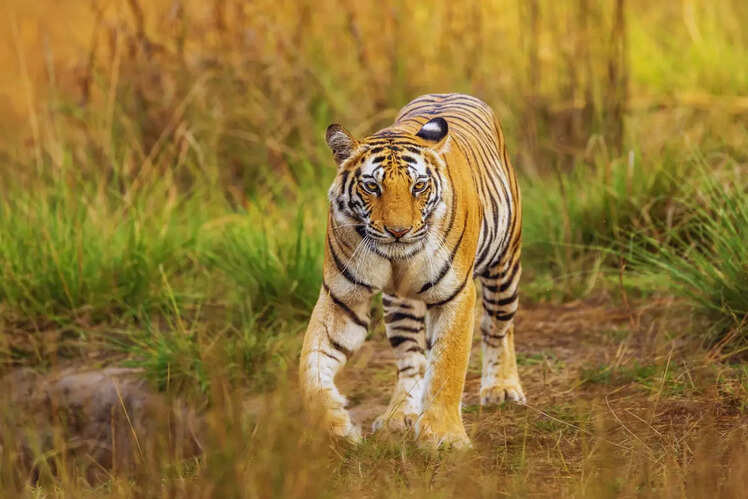 Photo courtesy: Canva Photo courtesy: Canva |
01
10 oldest tiger reserves in India
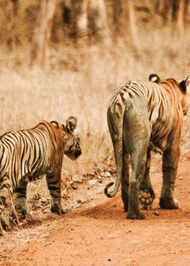
India's tiger reserves, established under the ambitious Project Tiger initiative launched in 1973, have played a crucial role in safeguarding the majestic Bengal tiger and its habitat. Spanning varied landscapes from the dense forests of the Western Ghats to the expansive grasslands of Central India, these reserves offer a sanctuary for numerous species of flora and fauna. They are vital in maintaining ecological balance and are a haven for wildlife enthusiasts, researchers, and nature lovers alike.
These reserves, including Kanha, Bandhavgarh, Ranthambore, and Corbett, were pioneers in the effort to protect the Bengal tiger. Their creation marked a significant commitment to preserving India's rich biodiversity and ensuring the survival of its iconic big cat.
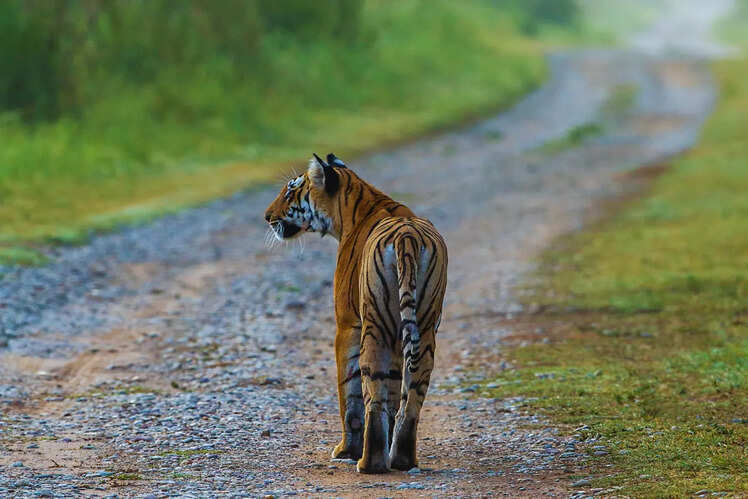 Photo courtesy: Canva Photo courtesy: Canva |
02
Corbett Tiger Reserve, Uttarakhand (Established in 1973)
This reserve, situated in the Nainital district of Uttarakhand, was India's first national park and the inaugural site for the Project Tiger initiative. It is renowned for its rich biodiversity, housing a significant population of tigers, elephants, leopards, and numerous bird species.
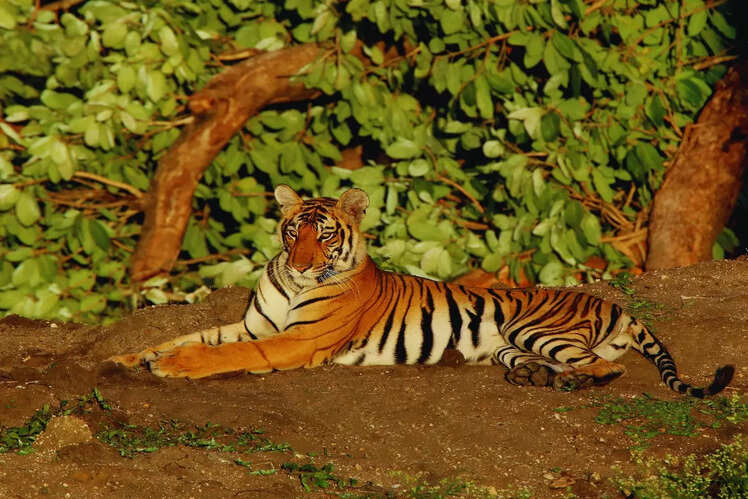 Photo courtesy: Canva Photo courtesy: Canva |
03
Bandipur Tiger Reserve, Karnataka (Established in 1973)
Located in the Chamarajanagar district of Karnataka, Bandipur is a component of the Nilgiri Biosphere Reserve and is adjacent to Nagarhole National Park, Wayanad Wildlife Sanctuary, and Mudumalai Wildlife Sanctuary. The reserve is renowned for its abundant biodiversity, featuring a dense population of tigers, elephants, gaurs, and a wide variety of bird species.
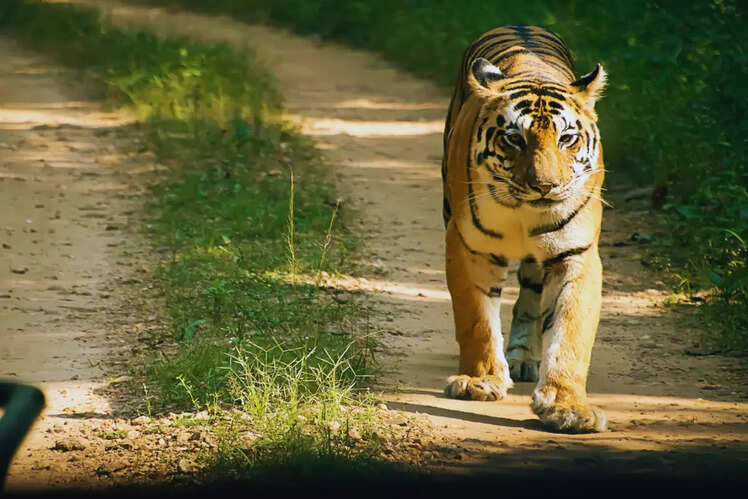 Photo courtesy: Canva Photo courtesy: Canva |
04
Kanha Tiger Reserve, Madhya Pradesh (Established in 1973)
Kanha is renowned for its breathtaking landscapes and is one of the best-maintained national parks in Asia. It is home to substantial populations of Bengal tigers, leopards, barasingha (swamp deer), and Indian wild dogs. The park’s success in conservation, particularly for the barasingha, has made it a model for wildlife preservation.
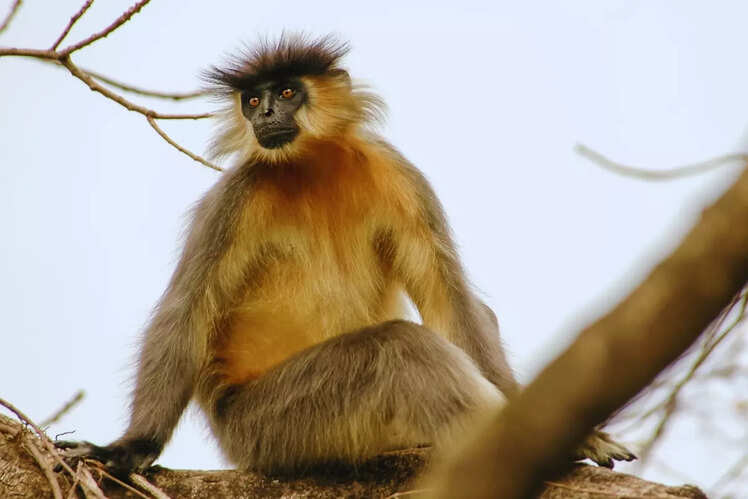 Photo courtesy: Canva Photo courtesy: Canva |
05
Manas Tiger Reserve, Assam (Established in 1973)
Manas, a UNESCO World Heritage site, is situated in the foothills of the Eastern Himalayas in Assam. This reserve serves as a tiger reserve, elephant reserve, and biosphere reserve, underscoring its ecological importance. In addition to tigers, Manas shelters other endangered species, including the Assam roofed turtle, hispid hare, golden langur, and pygmy hog.
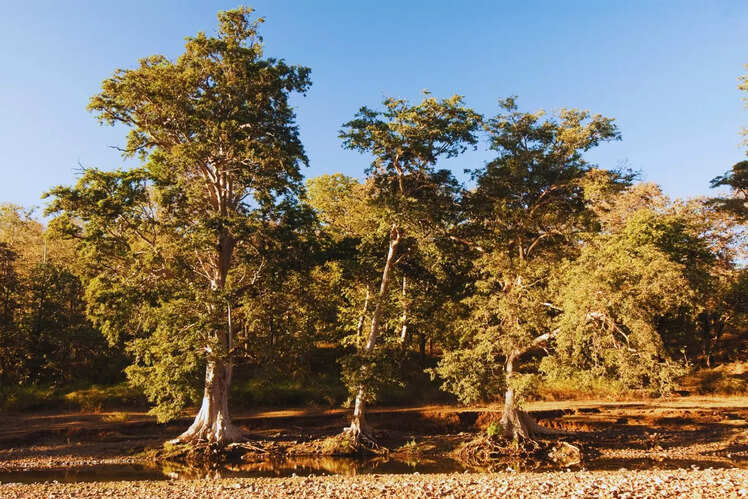 Photo courtesy: Canva Photo courtesy: Canva |
06
Melghat Tiger Reserve, Maharashtra (Established in 1973)
Situated in the northern part of the Amravati district in the Satpura range, Melghat is known for its rugged terrain, with hills, deep valleys, and the Tapti River flowing through it. The reserve is primarily covered with dry deciduous forests, providing a suitable habitat for tigers, leopards, sloth bears, and various species of deer.
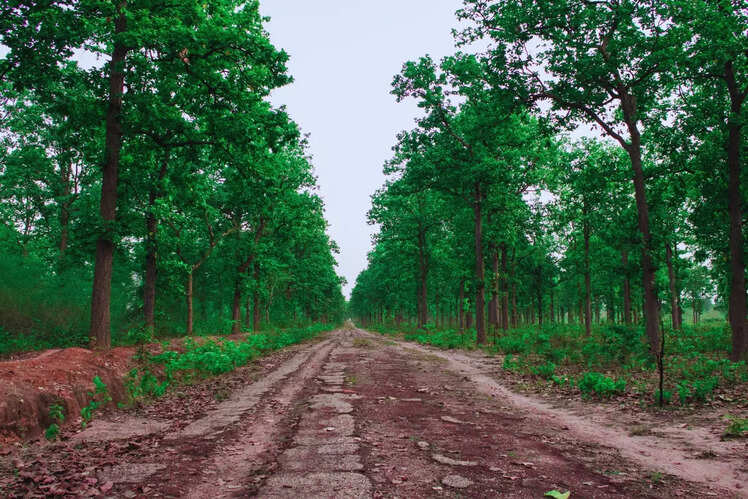 Photo courtesy: Canva Photo courtesy: Canva |
07
Palamau Tiger Reserve, Jharkhand (Established in 1973)
Located in the western part of the Chota Nagpur Plateau in Jharkhand, Palamau is known for its picturesque landscape, featuring rolling hills, dense forests, and numerous rivers and streams. It was one of the first nine reserves to be included in Project Tiger. The reserve supports a variety of wildlife, including tigers, leopards, elephants, and several species of deer and antelope.
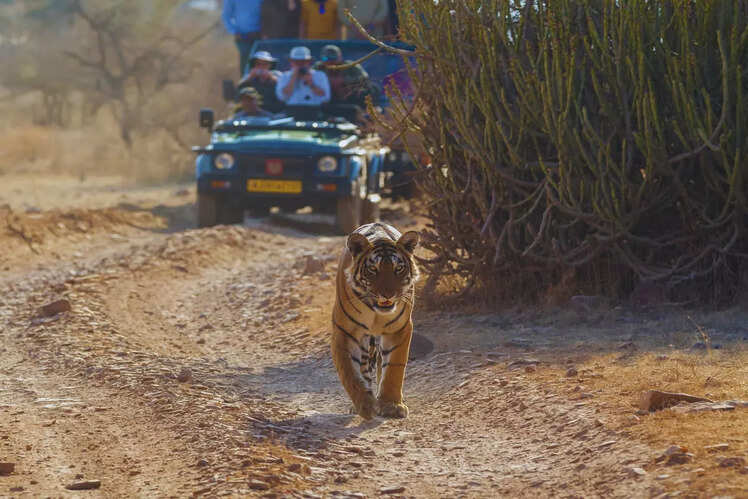 Photo courtesy: Canva Photo courtesy: Canva |
08
Ranthambore Tiger Reserve, Rajasthan (Established in 1973)
Located in the Sawai Madhopur district of Rajasthan, Ranthambore is one of the largest and most famous national parks in Northern India. The rugged terrain, with its rocky hills, dry deciduous forests, and open grasslands, provides a perfect habitat for tigers. Ranthambore is also home to leopards, sloth bears, hyenas, and a variety of bird species.
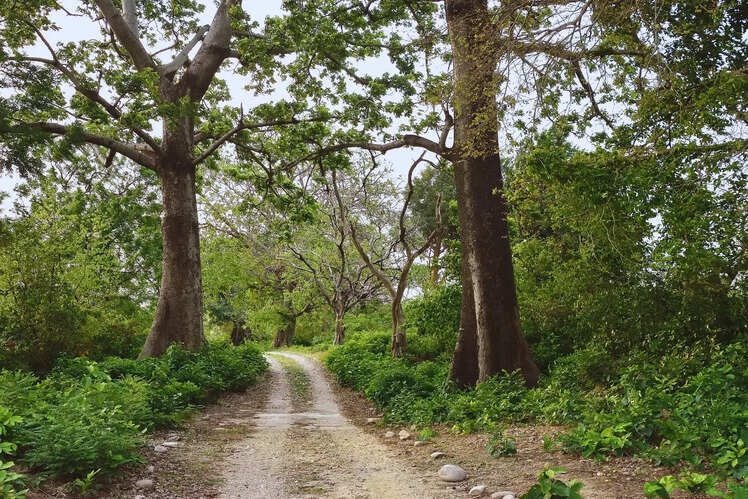 Photo courtesy: Canva Photo courtesy: Canva |
09
Similipal Tiger Reserve, Odisha (Established in 1973)
Located in the Mayurbhanj district of Odisha, Similipal is part of the UNESCO World Network of Biosphere Reserves. The reserve is named after the abundance of red silk cotton trees (Semul) that bloom vividly. It is characterized by its dense forests, waterfalls, and rich biodiversity, including tigers, elephants, gaurs, and several endemic species of flora and fauna.
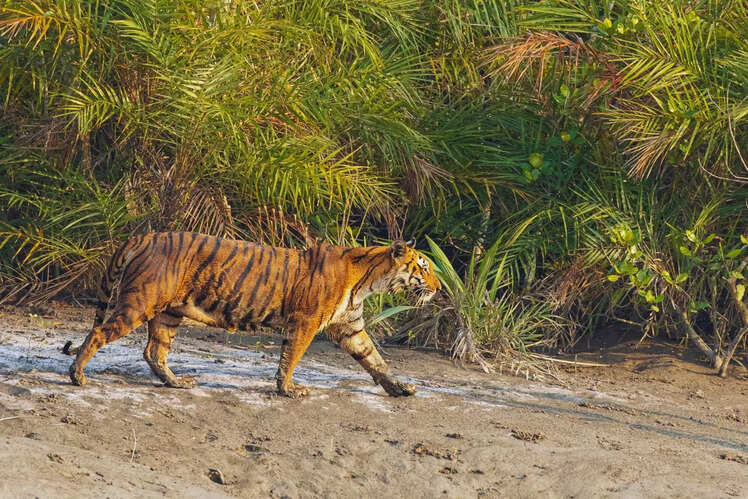 Photo courtesy: Canva Photo courtesy: Canva |
10
Sundarbans Tiger Reserve, West Bengal (Established in 1973)
The Sundarbans, part of the world's largest mangrove forest, is situated in the delta region of the Padma, Meghna, and Brahmaputra river basins in West Bengal. Recognized as a UNESCO World Heritage site, it boasts a unique ecosystem characterized by mangrove forests and tidal waterways. This reserve is home to the renowned Bengal tiger, which has adapted to the challenging habitat, along with other wildlife such as estuarine crocodiles, Indian pythons, and numerous bird species.
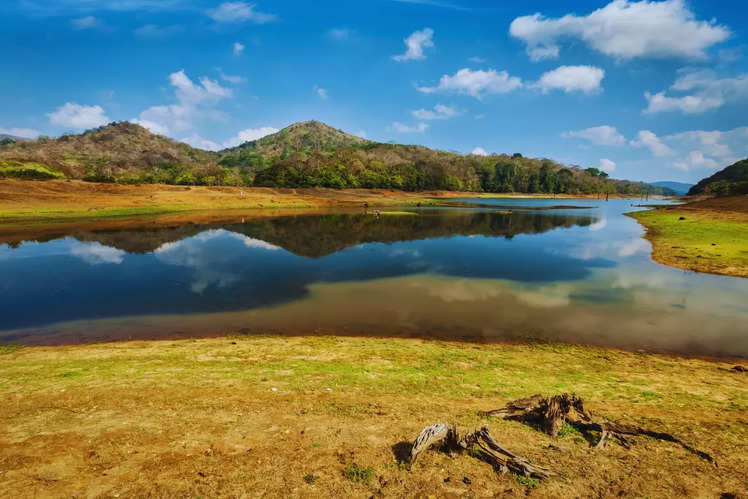 Photo courtesy: Canva Photo courtesy: Canva |
11
Periyar Tiger Reserve, Kerala (Established in 1978)
Periyar is located in the Western Ghats in Kerala and is known for its scenic beauty and rich biodiversity. The reserve is centered around the Periyar Lake, created by the construction of the Mullaperiyar Dam. The landscape includes evergreen and deciduous forests, grasslands, and high-altitude meadows. Periyar is home to a healthy population of tigers, as well as elephants, gaurs, and numerous other species of mammals, birds, and reptiles.
Visual Stories
Right arrow
Travel
10 pretty Indian villages to visit this year-end

Travel
8 castles in Germany straight out of a fairy-tale
Travel
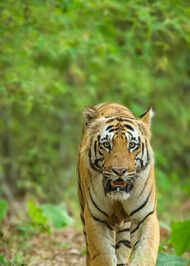
8 tiger reserves every wildlife enthusiast should visit in India
Travel
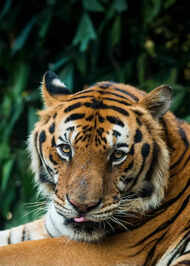
10 animals that are easily spotted in Ranthambore National Park
Travel
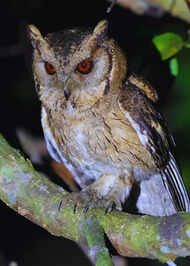
How to prepare for a night safari in India?

Travel
9 rare animals to spot in the Western Ghats and where to find them

Travel
10 must-visit Indian cities starting with the letter ‘V’
Travel
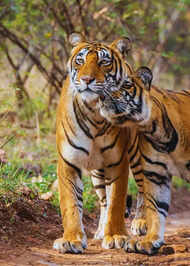
From tigers to caracals: Top destinations in Rajasthan to spot big cats
Travel
10 things to know before going on a tiger safari in Tadoba-Andheri Tiger Reserve

Travel
8 deadliest snakes that live in the forests of Amazon
Join Us On FacebookClose

closecomments

Be the first one to review.
We have sent you a verification email. To verify, just follow the link in the message
Trending Stories
5 snake parks in India where travellers can spot rare and venomous species and how to reach them
All deer species in India, and national parks where visitors can spot them
Last chance! 5 tiger safaris to experience in India before the wildlife season ends in June
Travelling in India this week? IMD issues heavy rain and heatwave warnings across major tourist regions
Why travellers are paying more to feel fear, freedom and adrenaline; the rise of adventure tourism in India
Karnataka’s Dubare Elephant Camp tragedy: 5 rules to follow in the presence of wildlife
World's most culturally important rivers, and what they have in store for travellers
Siberia’s mysterious Indian village: Temples, bhajans, traditions - travellers can’t believe what they found at -40°C
Watch: Shocking video of a travel influencer washing underwear in a hotel coffee machine; 5 things in a hotel that can be dirtier than we think
What’s inside the deep, natural water slides of Snake Canyon in Oman; decoding the mystery



Comments (0)