Arabian Oryx Sanctuary
Arabian Oryx Sanctuary
You're Reading


Synopsis
The World Heritage Committee deleted the property because of Oman's decision to reduce the size of the protected area by 90%, in contravention of the operational guidelines of the convention. This was seen by the Committee as dest … Read more
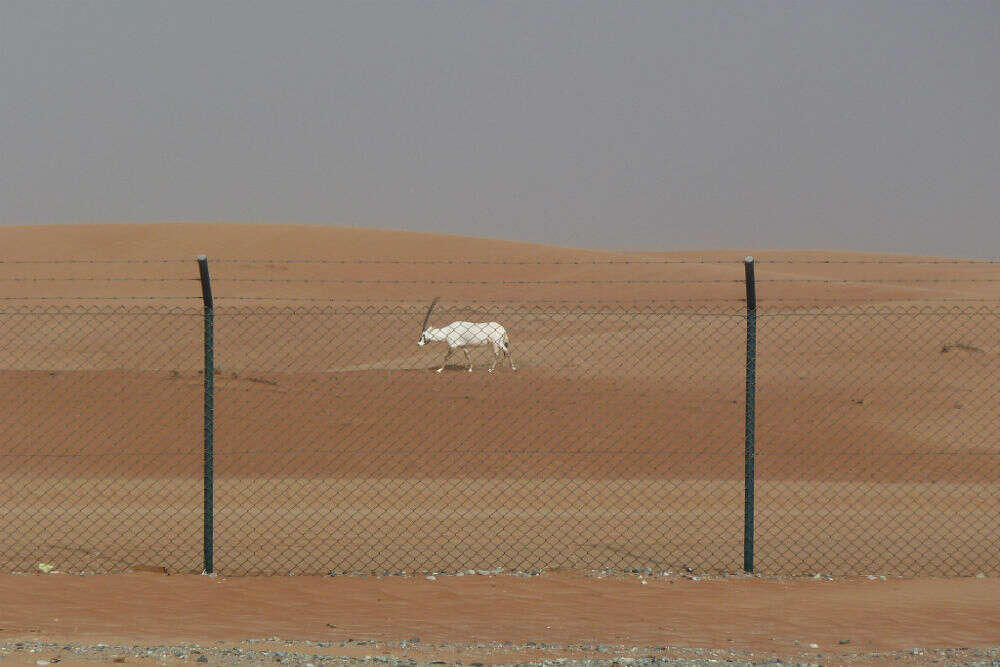
The World Heritage Committee deleted the property because of Oman's decision to reduce the size of the protected area by 90%, in contravention of the operational guidelines of the convention. This was seen by the Committee as destroying the outstanding universal value of the site, which was inscribed in 1994. In 1996, the population of the Arabian Oryx in the site was at 450 but it has since dwindled to 65 with only about four breeding pairs making its future viability uncertain. This decline is due to poaching and habitat degradation. After extensive consultation with the state party, the committee felt that the unilateral reduction in the size of the sanctuary and plans to proceed with hydrocarbon prospection would destroy the value and integrity of the property, which is also home to other endangered species including, the Arabian gazelle and houbara bustard. The Arabian oryx sanctuary is an area within the central desert and coastal hills’ bio-geographical regions of Oman. Seasonal fogs and dews support a unique desert ecosystem whose diverse flora includes several endemic plants. Its rare fauna includes the first free-ranging herd of Arabian oryx since the global extinction of the species in the wild in 1972 and its reintroduction here in 1982. The only wild breeding sites in Arabia of the endangered houbara bustard, a species of wader, are also to be found, as well as Nubian ibex, Arabian wolves, honey badgers, caracals and the largest wild population of Arabian gazelle.

closecomments

Be the first one to review.
We have sent you a verification email. To verify, just follow the link in the message
end of article
Next story
Göreme National Park
Visual Stories
10 pretty Indian villages to visit this year-end

8 castles in Germany straight out of a fairy-tale

8 tiger reserves every wildlife enthusiast should visit in India

10 animals that are easily spotted in Ranthambore National Park
How to prepare for a night safari in India?

9 rare animals to spot in the Western Ghats and where to find them


Trending Stories
Not just travel: 10 cheapest countries to retire in — 9 and 10 will surprise you
Polish woman shocked by what she says after living in Bengaluru for 10 months
Inside the “Snake Village of India”; a traveller’s guide to this mysterious place of venomous cobras
10 destinations in India that became viral sensations after featuring in Bollywood movies
5 Indian states that consume the most petrol per person and why travellers should pay attention




Comments (0)