Paithan and Jayakwadi Dam
Paithan and Jayakwadi Dam


Synopsis
Located on the banks of the River Godavari, this erstwhile second century BCE capital of the Satvahana Dynasty has witnessed more history than perhaps any other city in the vicinity. Back then, it was known as Pratisthana, transla … Read more
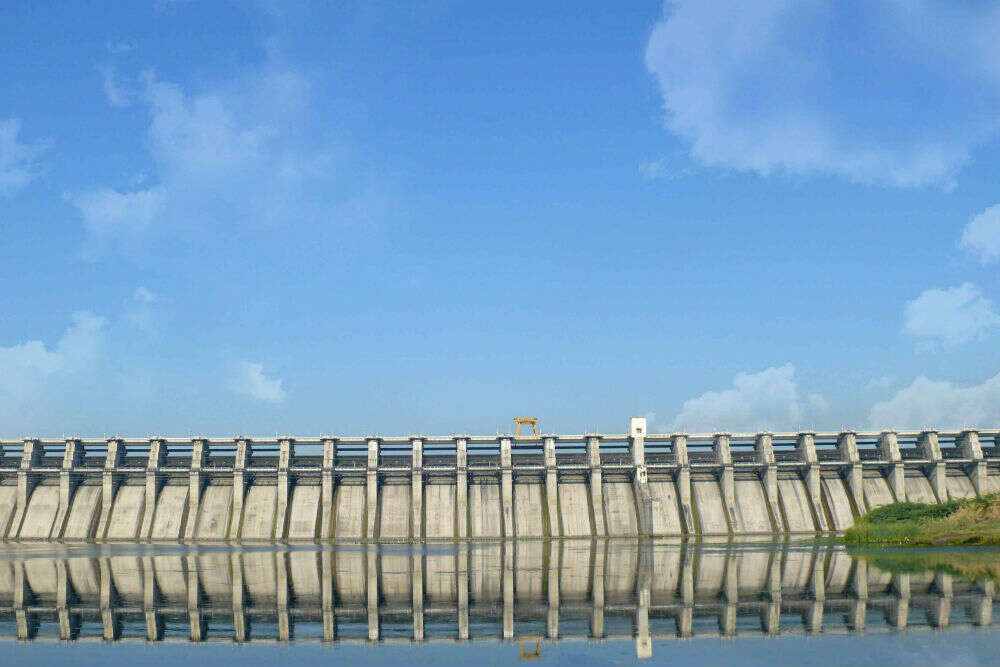 Located on the banks of the River Godavari, this erstwhile second century BCE capital of the Satvahana Dynasty has witnessed more history than perhaps any other city in the vicinity. Back then, it was known as Pratisthana, translated as City of Prestige or a City of Firm Standing. The town has a record of trade with Romans and has found mention in the Greek literature. Coins dating back to the era found in the region substantiate this historical claim. Paithan was and continues to be a popular centre for textile manufacturing and trade. The town's signature Paithani saree is popular for its use of gold and intricate artistry. While the sarees continue to retain its mark, the political significance of the city itself has waned with time. However, the town continues to be popular as a religious centre for Hindus and Jains. People flock annually to the Yatra celebrations dedicated to Marathi Saint Eknath.
Besides the temples, the town these days is frequented by many to shop for Paithani sarees, walk in its Vrindavan-style Dnyaneshwar Garden, named after another popular Marathi Saint, and to visit Jayakwadi Dam, one of the largest irrigation projects in the region. Located about 50 km south of Aurangabad, Jayakwadi is also known as Nath Sagar and is a massive structure with more than two dozen floodgates. You need to park the car and then walk up the staircase to the promenade built for viewing the huge mass of water. For security reasons, photography is prohibited inside the dam compound.

closecomments

Be the first one to review.
We have sent you a verification email. To verify, just follow the link in the message
end of article
Next story
Devagiri or Daulatabad Fort
Visual Stories
10 pretty Indian villages to visit this year-end

8 castles in Germany straight out of a fairy-tale

8 tiger reserves every wildlife enthusiast should visit in India

10 animals that are easily spotted in Ranthambore National Park

How to prepare for a night safari in India?

9 rare animals to spot in the Western Ghats and where to find them


Trending Stories
IMD forecasts monsoon rain in these south Indian states, and severe heat in north: What travellers need to know
5 weekend getaways from Delhi under 500 km to escape the June heat
There are only 2 countries starting with ‘Z’ and why travellers should explore them
5 snake temples in India that attract thousands of devotees and curious travellers every year
Kerala braces for more heavy rainfall as IMD issues yellow alert across several districts; what travellers need to know




Comments (0)