Shree Lakshmi Narayan Mandir
Shree Lakshmi Narayan Mandir
You're Reading


Synopsis
Shree Lakshmi Narayan Mandir was erected in the 12th century, during Chola Dynasty, and restored in the 16th century. Featuring South Indian architecture, the construction was lead by an artist from Rajasthan. An attractive idol o … Read more
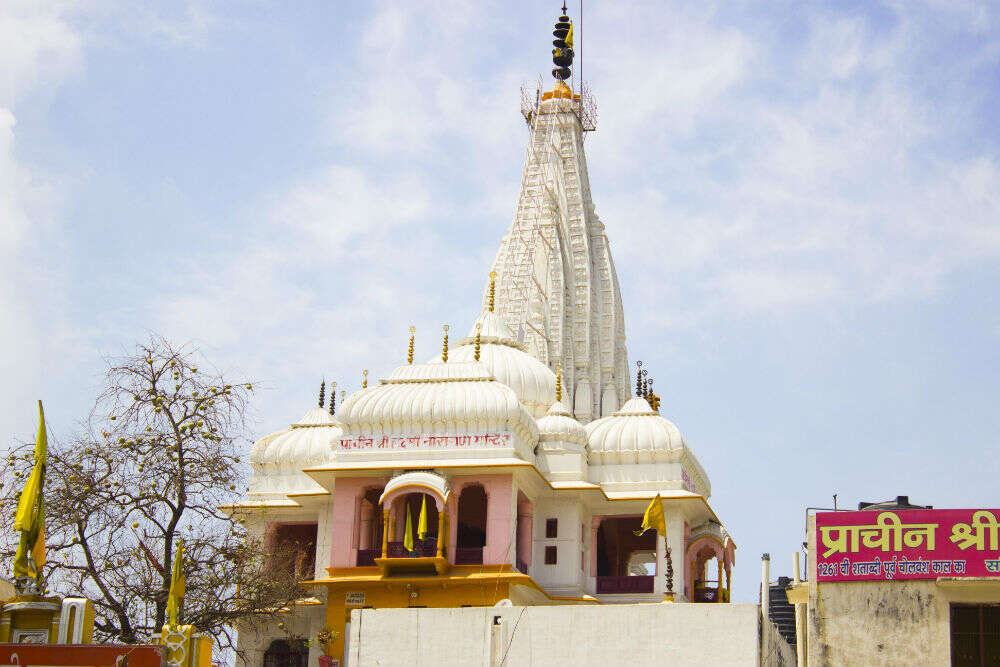 Shree Lakshmi Narayan Mandir was erected in the 12th century, during Chola Dynasty, and restored in the 16th century. Featuring South Indian architecture, the construction was lead by an artist from Rajasthan. An attractive idol of Lord Shiva is placed at the entrance, followed by a series of steps, which take devotees to Lord Lakshmi Narayan. Disciples also worship the idols of Lord Ganesha, Lord Garuda (vahana of Lord Lakshmi Narayan) and Lord Kuber here. The height of this temple is 124 feet and hence, can be seen from many parts of the city. Original Kalash of the temple was made of gold, which was looted by Mughal Emperor Aurangzeb while going from Delhi to Afghanistan. The Kalash currently enhancing the beauty of the temple is prepared from brass with gold polish on it. A king offered it from Punjab. Temple workers mention that many people have been bringing artists here expecting them to construct a replica or a similar temple, but they always find it impossible to copy the existing architecture.
 Legends states that before the war of Mahabharata, Pandavas installed the idol of Lord Lakshmi Narayan and worshipped him here. This temple is considered vital from the perspective of Vastu Shastra too. Its east face makes the first ray of sun touch the feet of the God. Hindu priests believe that yellow coloured offerings to God lead to the success of one's business. Hence, thousands of devotees gather in this temple on Tuesday and Thursday and present 'yellow offerings'.

closecomments

Be the first one to review.
We have sent you a verification email. To verify, just follow the link in the message
end of article
Next story
Brahma Sarovar Temple
Visual Stories
10 pretty Indian villages to visit this year-end

8 castles in Germany straight out of a fairy-tale

8 tiger reserves every wildlife enthusiast should visit in India

10 animals that are easily spotted in Ranthambore National Park

How to prepare for a night safari in India?

9 rare animals to spot in the Western Ghats and where to find them


Trending Stories
This is where the Ganges ends in India and meets the Bay of Bengal — why this place is special
What is a red-eye flight? Don’t commit these 5 mistakes after taking one
From Kerala rains to Rajasthan heatwave: IMD issues major weather warning for travellers as monsoon nears India
Not just travel: 10 cheapest countries to retire in — 9 and 10 will surprise you
Polish woman shocked by what she says after living in Bengaluru for 10 months




Comments (0)