Taj ul Masajid
Taj ul Masajid


Synopsis
The most impressive monument of Bhopal, the Darul Uloom Tajul Masajid is one of the biggest mosques in India. It is a striking pinkish red sandstone building with a trio of white bulbous domes over a long facade flanked by colossa … Read more
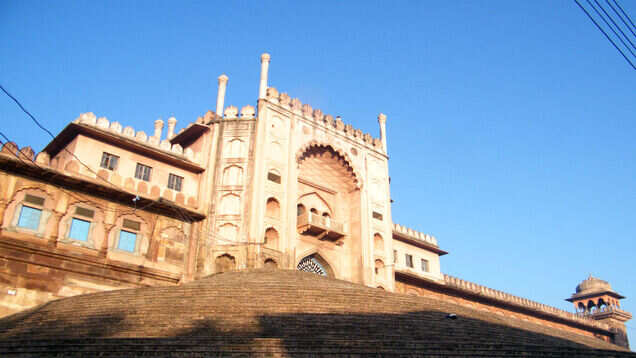
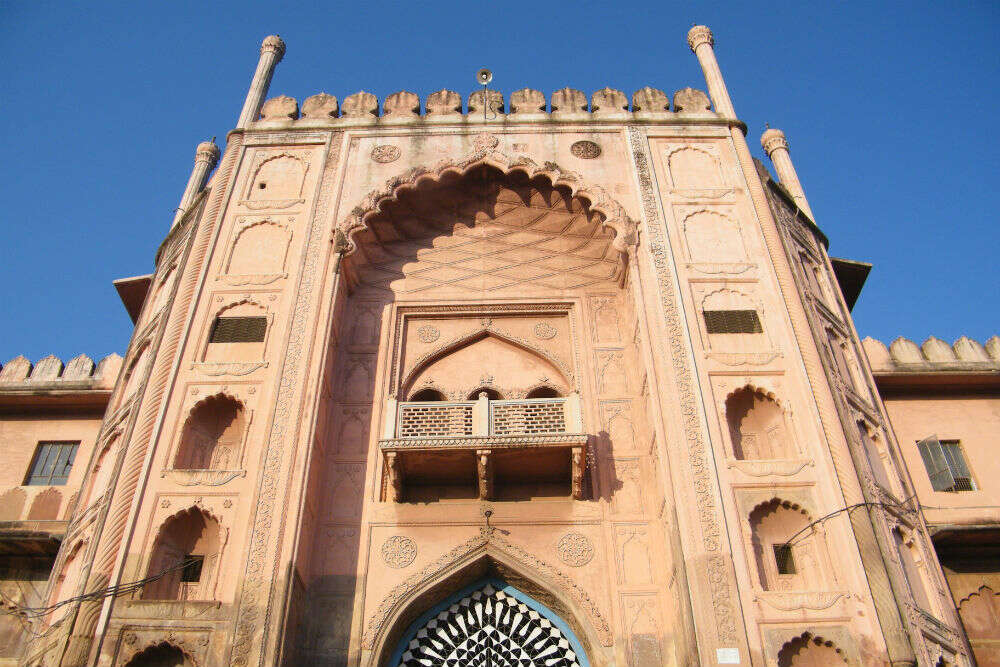 The most impressive monument of Bhopal, the Darul Uloom Tajul Masajid is one of the biggest mosques in India. It is a striking pinkish red sandstone building with a trio of white bulbous domes over a long facade flanked by colossal marble domed minarets on both sides. Enter the mosque through a double-storey gateway with archways. The entrance courtyard holds a bathing tank. The main hallway, floored in marble, has fine trellised screens and eleven recessed arches along the Quibla wall. The hall is noted for its massive pillars that hold up the ceiling, which has some ornate petaled designs. The construction began during the reign of Shah Jehan Begum (who ruled Bhopal princely state from 1868 to 1901) and who embarked on a building spree that resulted in not just mosques and palaces but also far-sighted infrastructural initiatives like a postal system, new schools, dams, lakes, and a railway service between Hoshangabad and Bhopal. She also revamped the tax revenue systems and improved the military. But the huge spending is said to have impoverished the princely state. In consequence the Taj ul Masajid was not completed even under her daughter because of lack of funds.
During the 1970s and ‘80s, work on completing the construction was undertaken and the entrance was renovated with the addition of ancient motifs from circa 1250 Syrian mosques by the contribution of the Emir of Kuwait to commemorate the memory of his departed wife. The majesty of the mosque building, called the Mother of Mosques, is denoted by the extra `a’ in the name. It is important to note that the mosque is closed to non-Muslims during namaaz hours.

closecomments

Be the first one to review.
We have sent you a verification email. To verify, just follow the link in the message
end of article
Next story
Top 10 places you must visit in Bhopal
Visual Stories
10 pretty Indian villages to visit this year-end

8 castles in Germany straight out of a fairy-tale

8 tiger reserves every wildlife enthusiast should visit in India

10 animals that are easily spotted in Ranthambore National Park
How to prepare for a night safari in India?

9 rare animals to spot in the Western Ghats and where to find them


Trending Stories
Siberia’s mysterious Indian village: Temples, bhajans, traditions - travellers can’t believe what they found at -40°C
Watch: Shocking video of a travel influencer washing underwear in a hotel coffee machine; 5 things in a hotel that can be dirtier than we think
What’s inside the deep, natural water slides of Snake Canyon in Oman; decoding the mystery
How old is the world's largest tree? 5 facts that inspire travellers to see it
IMD forecasts monsoon rain in these south Indian states, and severe heat in north: What travellers need to know




Comments (0)