Crocodiles living in ponds located near Statue of Unity in Gujarat moved to make space for seaplane service
Crocodiles living in ponds located near Statue of Unity in Gujarat moved to make space for seaplane service
You're Reading

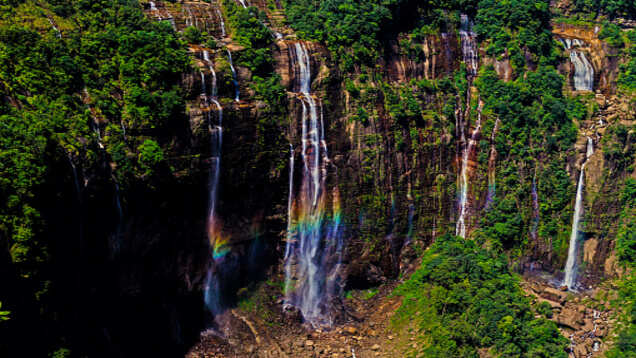
Crocodiles living in ponds located near Statue of Unity in Gujarat moved to make space for seaplane service Do you know about the stunning 7 Sisters Waterfalls of Northeast India? South Delhi neighbourhoods that are far from all the city mayhem Dalhousie weather hit sub-zero, as does most of Himachal after heavy snowfall


Synopsis
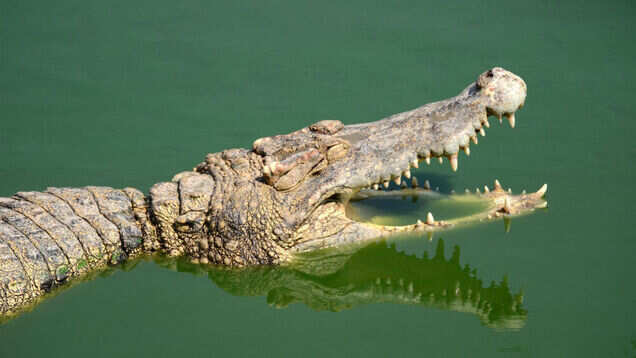
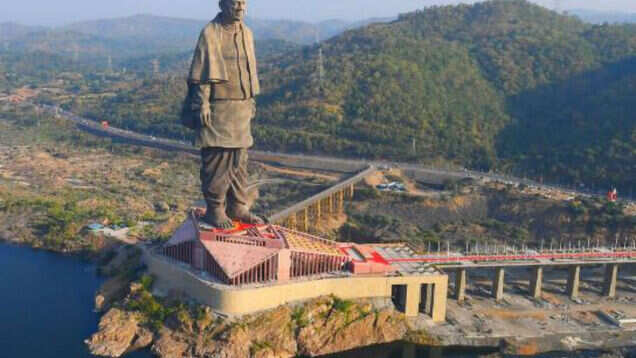
The government of Gujarat has been transferring the resident crocodiles of the ponds close to the Statue of Unity in order to construct a seaplane terminal for the movement of tourists.
The government of Gujarat has been transferring the resident crocodiles of the ponds close to the Statue of Unity in order to construct a seaplane terminal for the movement of tourists.
According to the news reports, about 500 crocodiles live in the two ponds located close to the statue. As of now, the forest department has relocated 15 crocodiles from the ponds into the Sardar Sarovar Narmada Dam reservoir, and the remaining ones shall also be released into the dam reservoir in the coming days.


News has it that the Airports Authority of India and the Department of Civil Aviation had come up with a feasibility report about introducing a seaplane service in the period immediately preceding the public launch of the Statue of Unity.
“We are rescuing the crocodiles from Ponds 3 and 4, which are close to the site,” said K Sasi Kumar, the Deputy Conservator, forests in Narmada district, said that 10 teams of officials are employed in the job of rescuing the reptiles from pond no. 3 and 4, located close to the Statue of Unity.
Reportedly, the crocodiles were lured to enter the cages by using fish as bait and had been under the care of the forest department for seven days or so.
Then after, the forest department released them into the Sardar Sarovar Narmada Dam reservoir.
Generally, the crocodiles seized from populated localities in the monsoon are released in the Narmada dam ponds. Even the Ajwa reservoir nearby Vadodara serves as a residence to many crocodiles.
However, the shifting of crocodiles into the dam reservoir has not gone down well with some wildlife enthusiasts. Jitendra Gavali, Director, Community Science Centre in Vadodara, told the press that moving crocodiles to make way for a seaplane terminal is not an ethical act as far as the principles of Wildlife Protection Act are concerned.
He added that letting them loose into the dam reservoir would hamper the female reptiles’ ability to nest if the slope of the dam is greater than 40 degrees. The female reptiles require space on land to breed and emerge out of the water in winter.

closecomments

Be the first one to review.
We have sent you a verification email. To verify, just follow the link in the message
end of article

Visual Stories
10 pretty Indian villages to visit this year-end

8 castles in Germany straight out of a fairy-tale
8 tiger reserves every wildlife enthusiast should visit in India
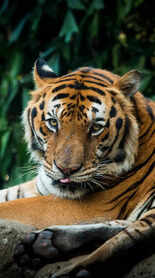
10 animals that are easily spotted in Ranthambore National Park
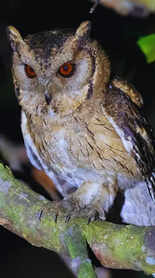
How to prepare for a night safari in India?
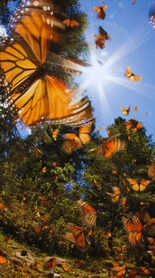
9 rare animals to spot in the Western Ghats and where to find them


Trending Stories
7 countries where Indians can enjoy island vacations; all under INR 80,000!
48°C and counting: What India’s brutal heatwave is doing to summer travel plans
5 snake parks in India where travellers can spot rare and venomous species and how to reach them
All deer species in India, and national parks where visitors can spot them
Last chance! 5 tiger safaris to experience in India before the wildlife season ends in June




Comments (0)