
- News
- lifestyle
- travel
- destinations
- 5 grand palaces that are now world-famous museums
5 grand palaces that are now world-famous museums
5 grand palaces that are now world-famous museums
Palaces throughout the years have been constructed as monuments of power, opulence, and grandeur. They were royal houses to kings, emperors, sultans, and dynasties while serving as government offices and venues of diplomacy. With the fall of monarchy and the rise of dynasties and political systems, some of these majestic palaces took up a new role. Rather than becoming remnants of history, they became museums and are open today to the public. Former throne halls, royal suites, treasure chambers, and galleries, all reserved for the most elite in society, now stand open to the rest of the world to see.
Below is the list of five majestic palaces that turned into museums.
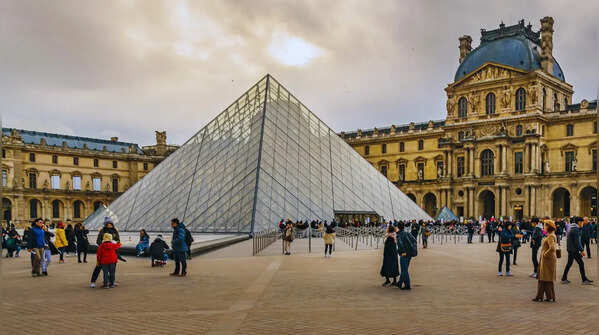
Louvre Palace – Paris, France
Built in the latter part of the 12th century as a fortress, this majestic palace was transformed into the home of French monarchs. When Louis XIV moved his court from Paris to Versailles in 1682, it slowly lost its role as the royal palace. It eventually was declared a museum and became known as the Louvre Museum in 1793 during the French Revolution. It is now one of the most visited museums in the world, featuring masterpieces like the Mona Lisa, Venus de Milo among others.
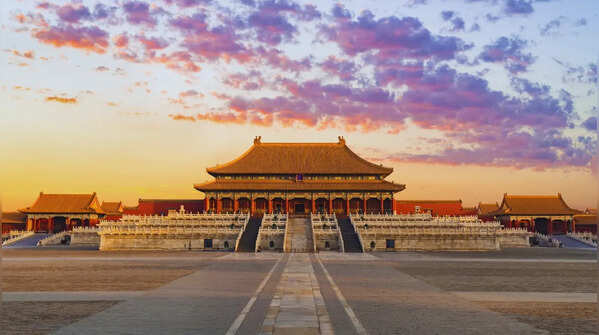
Forbidden City — Beijing, China
Constructed from 1406 to 1420, the Forbidden City was used as the palace of the Chinese emperors of the Ming and Qing dynasties for almost five centuries. The Forbidden City acted as the center of both political and religious ceremonies during the imperial era until the end of the Qing dynasty in 1912. In 1925, this complex was transformed into the Palace Museum. With more than a thousand structures, it is among the best palaces and museums in the world.
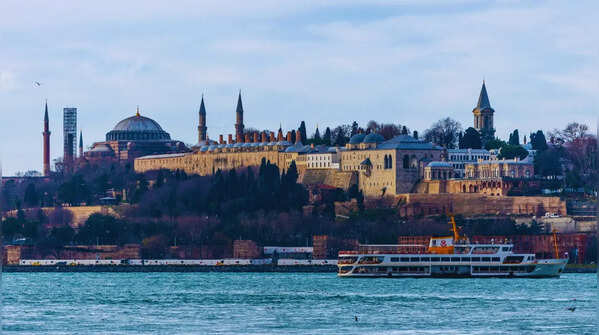
Topkapi Palace – Istanbul, Türkiye
Topkapi Palace is considered to be the main residence of the sultans and capital of the empire until the beginning of the 19th century. After the foundation of the Republic of Türkiye, the palace was converted into a museum in 1924. Currently, visitors are free to explore courtyards, imperial rooms, treasures, holy relics, and decorative halls offering views over the Bosphorus.
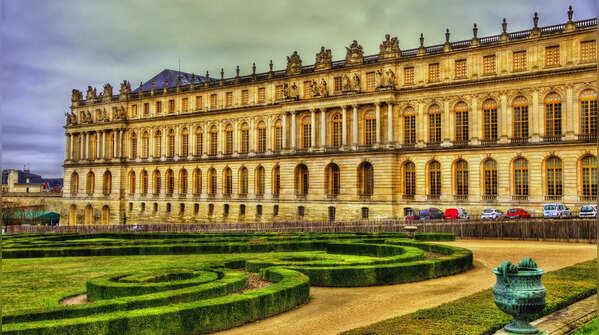
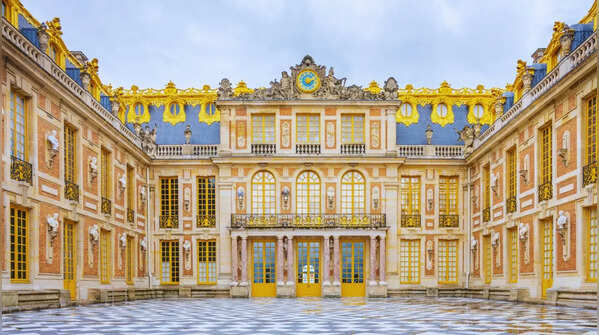
Palace of Versailles — Versailles, France
Versailles was initially a hunting lodge but was later converted into one of the greatest palaces in the world during the reign of Louis XIV. It served as the main palace of the French kings between 1682 to the time of the French Revolution. In 1837, the palace was turned into the Museum of the History of France. Currently, Versailles receives millions of tourists who visit it for its Hall of Mirrors, royal suites, gardens, fountains, and huge grounds.
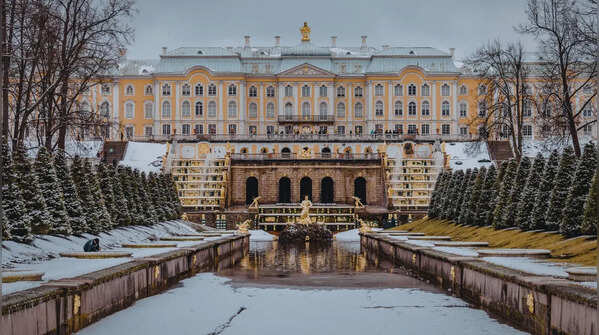
Winter Palace - St. Petersburg, Russia
The Winter Palace functioned as the official residence of the Russian rulers between 1732 and the Russian Revolution in 1917. Immediately after this period, the Winter Palace was incorporated into the State Hermitage Museum. The museum currently boasts some of the best art pieces in the world such as paintings done by Leonardo da Vinci, Rembrandt, Michelangelo, among many others.
Featured In lifestyle

MORE FROM ETIMES
life & style