
- News
- lifestyle
- travel
- destinations
- 5 temples in Karnataka that prove ancient India was ahead of its time
5 temples in Karnataka that prove ancient India was ahead of its time
5 temples in Karnataka that prove ancient India was ahead of its time
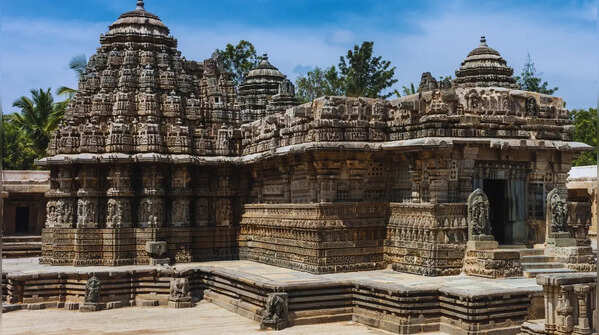
Karnataka temples have evolved beyond mere religious centers into outstanding architectural wonders that are a perfect blend of art, science, and technology from ages gone by. Ranging from the beautiful soapstone carvings that seem almost like lacy designs, to sanctums carved directly out of rocks, these temples showcase such remarkable craftsmanship and technology that one can only marvel at their magnificence. The thing that makes these temples even more amazing, though, is the intelligence that went into designing them.
Here are five temples in Karnataka known for their truly unique architectural and scientific features:
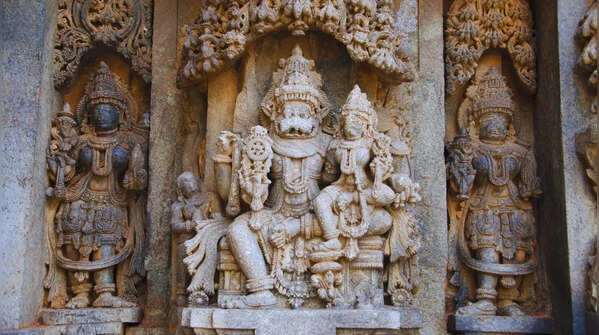
Chennakesava Temple - Soapstone carvings
Dating back to the 12th century, this temple is known for using soapstone (chloritic schist), which is very soft and helps artists create very intricate carvings. From the walls to the ceiling and pillars, every single inch of the structure is covered with such delicate carvings that they look like lace rather than stone carvings. This temple sits on a star-shaped foundation, which was one of the main characteristics of Hoysala architecture, and this provided multiple perspectives for the sculptors to work on.
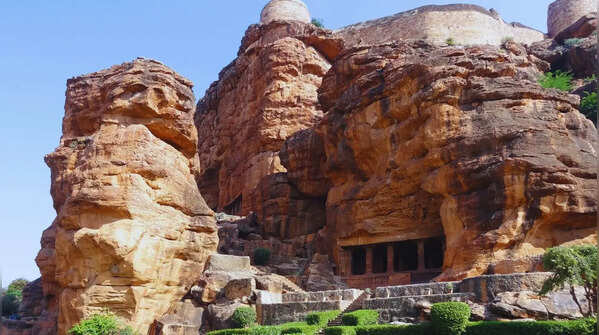
Badami Cave Temples - Temples carved directly into cliffs
The Badami Cave Temples are different from other temples since they are cave temples carved directly into sandstone cliffs during the 6th and 7th centuries. While other temples are constructed using materials such as bricks, stones, and mortar, this temple was created through the removal of rocks to create columns, chambers, and sculptures. The combination of architectural and sculptural features makes it possible for images of Hindu and Jain gods and goddesses to emerge from the rock.
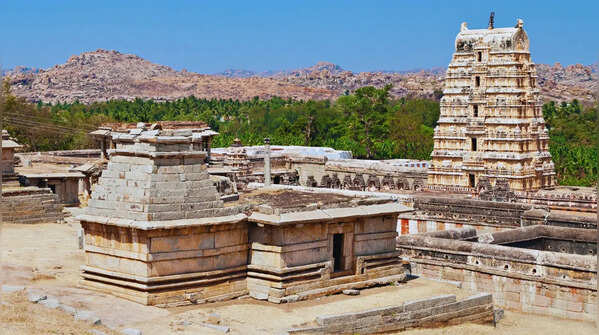
Virupaksha Temple - Pinhole camera effect
It is a functioning temple located at Hampi with historical and scientific significance. Within the temple, there exists a dark room that projects an inverted image of the gopuram (temple tower). It is similar to a pinhole camera. In terms of architecture, the temple exhibits magnificent architectural design with massive gateways and wide courtyard.
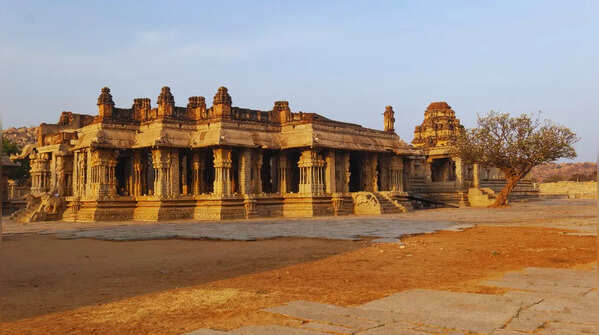
Vijaya Vittala Temple - Musical pillars
Popular for its famous stone carriage, the most interesting aspect of this temple is its musical pillars. It was believed that on gentle tapping (which is now not allowed), these pillars would give off different sounds, thus revealing the high level of expertise in acoustics. These pillars are carved out of granite stones and represent an intricate blend of art and technology, which is hard to reproduce even today. The temple complex represents a marvel of spatial planning.

Gavi Gangadhareshwara Temple – Exact sunlight alignment
Photo credit: Wikimedia Commons CC 3.0/Pavithrah
This cave temple is renowned for the perfect alignment of sunlight that happens once every year during Makara Sankranti. During this period, the light of the setting sun passes through a number of strategically placed discs of stones and shines on the lingam present in the cave. The precision of astronomy that went into constructing this temple makes it a rare specimen of architectural ingenuity.
Featured In lifestyle

MORE FROM ETIMES
life & style