
- News
- lifestyle
- travel
- things-to-do
- Last chance to spot tigers: These Indian national parks are closing for the monsoon season in June
Last chance to spot tigers: These Indian national parks are closing for the monsoon season in June
Last chance to spot tigers: These Indian national parks are closing for the monsoon season in June
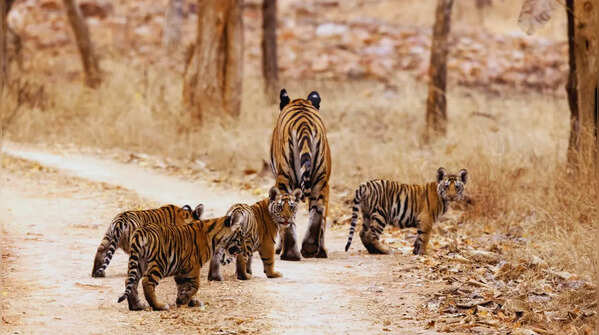
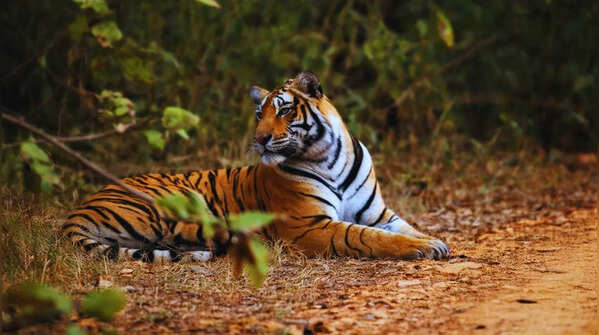
June is a bittersweet month for wildlife lovers in India. While the scorching summer heat can be intense, it is also one of the best times of the year for wildlife sightings. With scarce water sources, scanty vegetation, and wildlife moving out into the open, it creates fantastic conditions for photographing and sighting wildlife. However, this month also marks the last month for tourists in some of the most popular national parks and tiger reserves in the country, after which they remain closed until October/November. This is done in order to ensure protection of wildlife from the human impact in the breeding months, road repair from the monsoon rains, and conservation activities within the forest. So if you have been procrastinating your wildlife vacation plans, then you might want to make it happen in June. Here are some of the most iconic national parks and tiger reserves that are closing for the season.
Bandhavgarh National Park, Madhya Pradesh
Expected closure: June 30
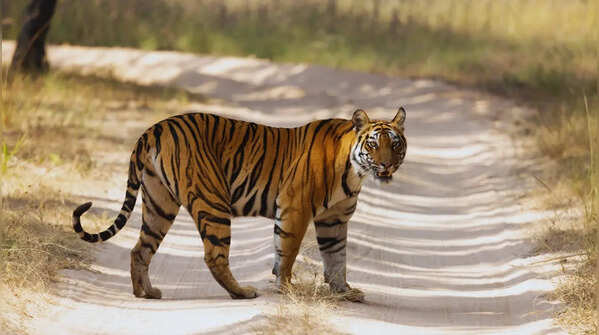
Bandhavgarh is known as the tiger capital of India. Situated in the Vindhya hills of Madhya Pradesh, this park features high-density tiger population in India. The geography consists of a striking combination of grassland, bamboo jungle, rugged rocks, ancient ruins, and Bandhavgarh fort. Besides tigers, visitors will see leopards, sloth bears, barking deer, sambar, and many other bird species.
Kanha National Park, Madhya Pradesh
Expected closure: June 30
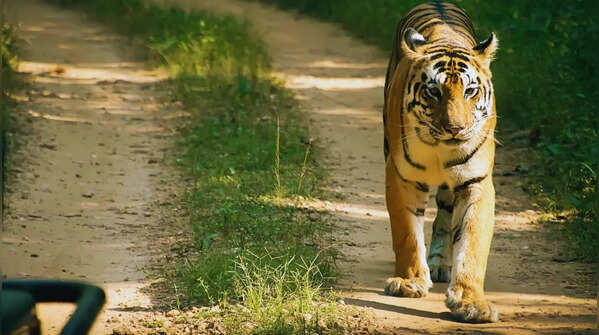
Spanning over 900 sq km of core area, Kanha is one of the most picturesque national parks in India. The park is famous for its successful efforts to preserve the endangered hard-ground barasingha. Tigers, leopards, wild dogs, gaur, and deers are commonly seen in summer, when they gather in proximity of the scarce water sources.
Tadoba-Andhari Tiger Reserve, Maharashtra
Expected closure: June 30 for core zones
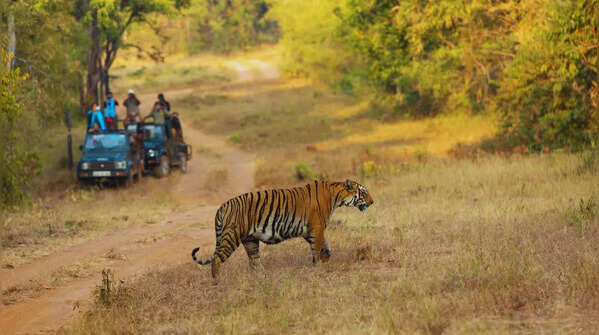
It has become famous for being one of the most dependable places to spot tigers in India. The park is situated in eastern Maharashtra and is made up of dry deciduous forests, bamboo thickets, lakes, and open grasslands which form ideal tiger territory. During the summer season, the park becomes popular among wildlife enthusiasts due to high visibility of tigers taking refuge in water bodies or moving around in dusty forest trails.
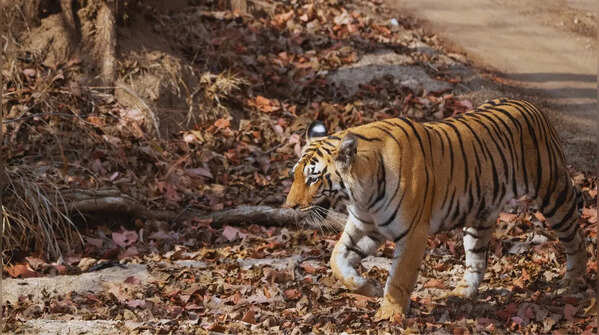
Pench National Park, Madhya Pradesh and Maharashtra
Expected closure: June 30
The park shares its boundaries with Madhya Pradesh and Maharashtra. It is well-known for being an inspiration behind The Jungle Book as its teak forests, hills, and rivers were considered to be the setting of Mowgli’s story. Despite being outshined by Bandhavgarh and Kanha, Pench is still good for tiger spotting along with a wide range of wildlife including leopards, jackals, wild dogs, nilgai, and various birds.
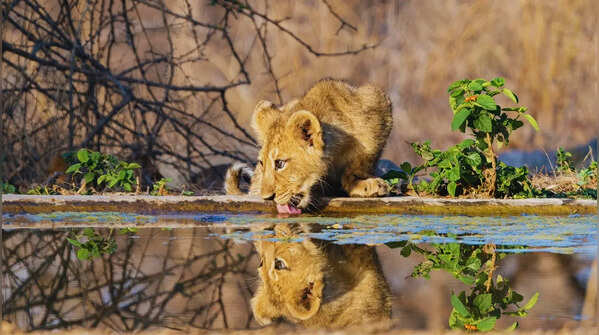
Gir National Park, Gujarat
Expected closure: June 16
The Asiatic Lion is unique to this sanctuary, making it the only place in the world where one can witness the wild lion in their natural habitat. Having been on the brink of extinction once, the lion population has made an incredible comeback due to several decades of conservation efforts. The dry summer season makes it easier to see the lions resting in the shade or traveling from waterhole to waterhole.
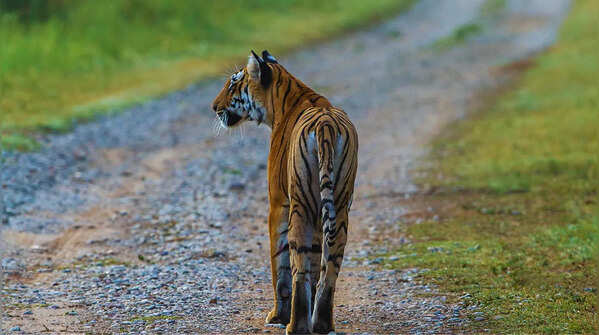
Jim Corbett National Park, Uttarakhand
Expected closure: Major zones such as Dhikala close around mid-June
India's oldest national park remains one of its most celebrated wildlife destinations. Nestled in the Himalayan foothills, Corbett combines riverine forests, grasslands, hills, and the scenic Ramganga River. The park's famed Dhikala zone is particularly sought after because of its expansive grasslands and excellent wildlife viewing opportunities. Tigers, elephants, otters, gharials, and hundreds of bird species inhabit the reserve. While some tourism zones remain open year-round, June is usually the last month to access the park's most iconic areas.
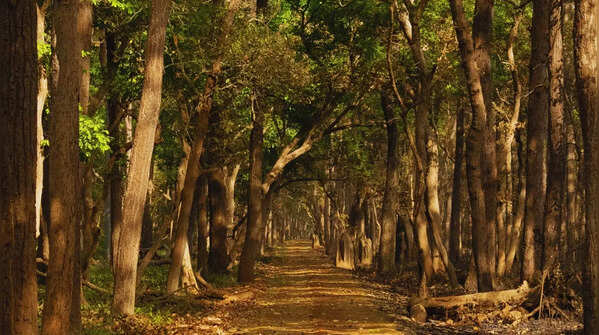
Dudhwa National Park, Uttar Pradesh
Expected closure: June 15
Located close to the Nepal border, Dudhwa National Park preserves some of the best grasslands and forest lands in India, and it is home to some of the best swamp deer, Bengal tigers, one-horned rhinoceroses, elephants and numerous bird species. Unlike the arid forests in central India, Dudhwa offers visitors something that is unique and rich. As soon as monsoons arrive, the park becomes challenging for safari tourism and closes down annually.
Ranthambore National Park, Rajasthan
Expected closure: Generally close the core zones around July
Ranthambore National Park is one of the most photographed tiger reserves in all of India. It offers one of the unique and historic experiences to the visitors as its location comprises an ancient ruin, lakes, fort, along with wildlife. While summers are extreme here and temperatures cross 40°C, it is when the tigers can be observed easily around water sources. June will be one last chance to enjoy this national park as it will then shut down after that due to monsoon.
Featured In lifestyle

