Barabati Fort
Barabati Fort
You're Reading


Synopsis
Barabati Fort, built by the Ganga dynasty on the banks of River Mahanadi, is one of the most sought-after tourist attractions of Cuttack. Located near the Baliyatra Ground, this ruined fort stands on the west side of the Millenniu … Read more
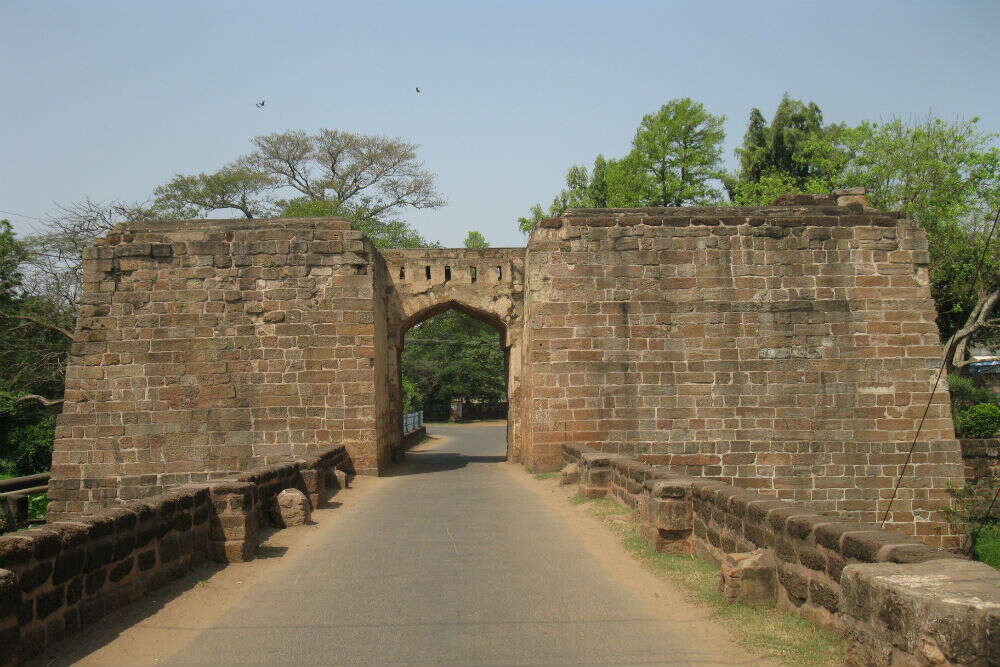 Barabati Fort, built by the Ganga dynasty on the banks of River Mahanadi, is one of the most sought-after tourist attractions of Cuttack. Located near the Baliyatra Ground, this ruined fort stands on the west side of the Millennium City. According to historians, Barabati Fort once housed a nine-storey palace. While the fort is spread over an area of 102 acres, it has a 20-yard wide moat to protect the structure. What stands at the site today are the ruins of the palace on an earthen mound, the hyacinth-filled moat and the fort. The area is protected by the Archaeological Survey of India.
Historians say the entire site came up over a period of years and construction of the fort was started in 989 AD by King Marakata Keshari while he was building embankments on the shore of river Mahanadi to protect the city from floods. Later in the 14th century, Mukundadev Harichandan, a Chalukyan King, built the nine-storey palace. Excavations carried out by archaeologists have revealed that the fort was rectangular in structure and it was surrounded on all sides by a wall of laterite and sandstone. In the recent years, stone images of deities and dancing women have been found from spots around the moat. The gateway of the fort is minimally designed with large laterite stones. The best season to visit the spot is winter.

closecomments

Be the first one to review.
We have sent you a verification email. To verify, just follow the link in the message
end of article
Next story
Exploring Cuttack―Odisha's Silver City
Visual Stories
10 pretty Indian villages to visit this year-end

8 castles in Germany straight out of a fairy-tale

8 tiger reserves every wildlife enthusiast should visit in India

10 animals that are easily spotted in Ranthambore National Park

How to prepare for a night safari in India?

9 rare animals to spot in the Western Ghats and where to find them



Trending Stories
Places that receives highest rainfall in south India during monsoon season
In photos: South India's wildest waterfalls to witness during monsoon season
10 UNESCO World Heritage Sites in India that deserve a spot on every history and nature lover’s bucket list
Is Delhi expecting thunderstorms and hailstorms? IMD issues major travel warning as extreme weather hits Indian states simultaneously
Top 10 most visited states of America and travellers should know



Comments (0)