Garampani Wildlife Sanctuary
Garampani Wildlife Sanctuary
You're Reading


Synopsis
One of Assam's oldest sanctuaries, the Garampani Wildlife Sanctuary is located in the Karbi Anglong area.
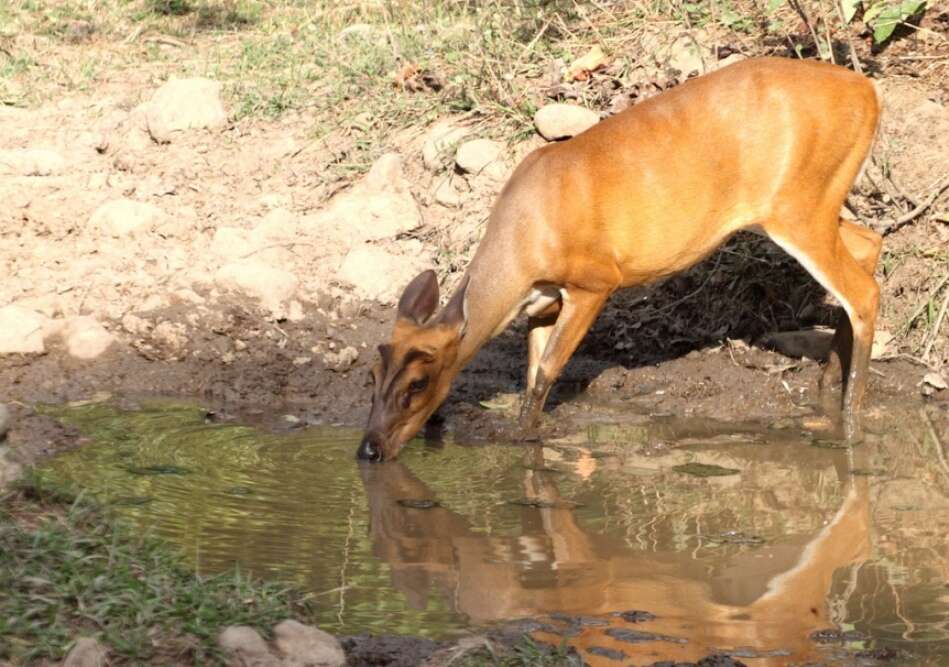
One of Assam's oldest sanctuaries, the Garampani Wildlife Sanctuary is located in the Karbi Anglong area. Garampani means ‘hot water’ in the local language, and the sanctuary takes its name from the fact that it is famous for its hot springs and waterfalls. Home to the hoolock gibbon and golden langur, you can even spot some rare bird species if you're lucky. There's lots more to see as well; look out for the gaur, elephant, tiger, leopard, sambar, barking deer, lesser cat, capped langur, wreathed hornbill, a large variety of reptiles, and even an extremely rare species of the orchid. The best time to visit is between November to April.

closecomments

Be the first one to review.
We have sent you a verification email. To verify, just follow the link in the message
end of article
Next story
Kawal Wildlife Sanctuary,Andhra Pradesh
Visual Stories
10 pretty Indian villages to visit this year-end

8 castles in Germany straight out of a fairy-tale

8 tiger reserves every wildlife enthusiast should visit in India

10 animals that are easily spotted in Ranthambore National Park

How to prepare for a night safari in India?

9 rare animals to spot in the Western Ghats and where to find them



Trending Stories
Polish woman shocked by what she says after living in Bengaluru for 10 months
Inside the “Snake Village of India”; a traveller’s guide to this mysterious place of venomous cobras
10 destinations in India that became viral sensations after featuring in Bollywood movies
5 Indian states that consume the most petrol per person and why travellers should pay attention
Drivers being warned against drunk deer on roads? Here’s what’s happening to these animals




Comments (0)