6 million-year-old ‘groundwater pool’ discovered beneath Sicilian mountains
6 million-year-old ‘groundwater pool’ discovered beneath Sicilian mountains
You're Reading


Synopsis
According to a study published in the journal Communications Earth & Environment on November 22, rainwater likely exposed the seabed during the crisis, thereby forming the aquifer that now lies beneath the mountains and has remain … Read more
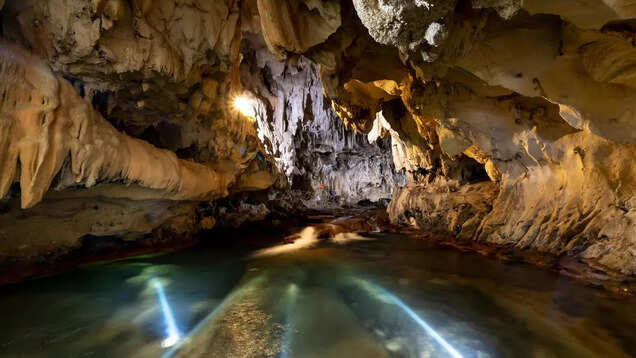
According to a study published in the journal Communications Earth & Environment on November 22, rainwater likely exposed the seabed during the crisis, thereby forming the aquifer that now lies beneath the mountains and has remained unchanged since its inception.


Pretty places to visit near Kerala within 100 km
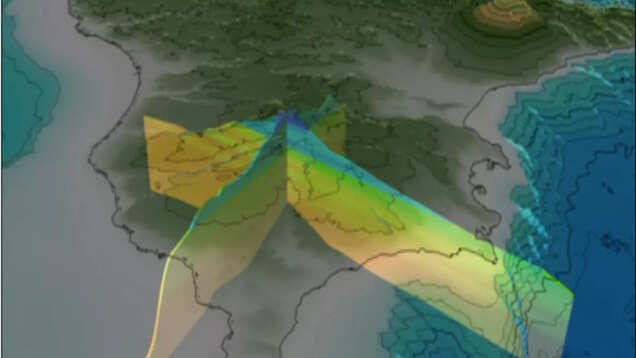
Researchers delved into deep groundwater reserves around the Gela formation, constructing 3D models to estimate the aquifer's size at 4.2 cubic miles — over twice the volume of Scotland's Loch Ness.
Utilizing these 3D models, the scientists reconstructed the geological history of the region, revealing that during the Messinian period (7.2 million to 5.3 million years ago), freshwater penetrated the Earth's crust thousands of feet below current sea levels.
Read more: Maharashtra: Day safari at Kas Plateau resumes after 6-month hiatus
The accumulated 'fossil groundwater pool' settled in carbonate rocks, resembling a sponge where fluids occupy the pores between rock particles.
To authenticate their discoveries, the researchers looked for a pathway for meteoric water, which includes precipitation from rain and snowfall, connecting the Mediterranean seabed to the deeply buried Gela formation. The Malta Escarpment, a submarine cliff stretching 190 miles from the eastern margin of Sicily, emerged as a credible link, potentially serving as the missing channel for the water flow.
Read more: Year-end visa free travel for Indian travellers
The Messinian salinity crisis, lasting around 700,000 years, concluded abruptly with a rapid rise in sea levels that may have altered pressure conditions and deactivated the groundwater mechanism. Alternatively, sediment and mineral deposits could have sealed off the conduit along the Malta Escarpment during the crisis, preventing the mixing of seawater with the freshwater in the Gela formation in the ensuing millions of years.

closecomments

Be the first one to review.
We have sent you a verification email. To verify, just follow the link in the message
end of article

Visual Stories
10 pretty Indian villages to visit this year-end

8 castles in Germany straight out of a fairy-tale

8 tiger reserves every wildlife enthusiast should visit in India

10 animals that are easily spotted in Ranthambore National Park

How to prepare for a night safari in India?

9 rare animals to spot in the Western Ghats and where to find them


Trending Stories
Is this the most unique temple ‘darshan’ in India?
Hantavirus Alert: India’s Union Health Ministry activates precautionary surveillance; what travellers need to know
Flying abroad with medicines? What travellers need to know before packing prescription drugs
From women-only night beach to floating walkway: What can travellers expect from Dubai's brand new tourist attraction?
Oldest fires in the world that are still burning, and why they deserve to be on your travel-wishlist




Comments (0)