
8 popular types of motorbikes and their uses
8 popular types of motorbikes and their uses
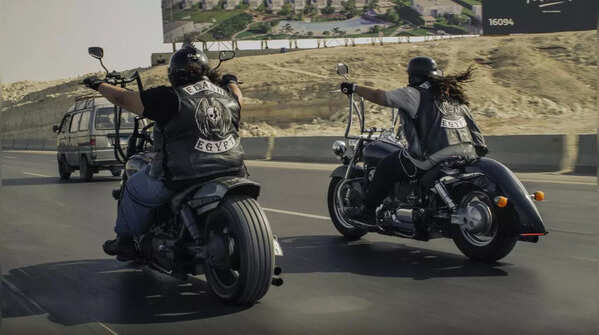
Motorbikes are commonly classified according to their body style, performance purpose, and riding environment. This classification helps riders choose a machine suited to commuting, racing, touring, or off-road travel. Modern categories range from comfortable cruisers to high-speed sport bikes and versatile dual-purpose machines, each designed with specific ergonomics, engines, and features that match particular riding needs.
Below are eight widely recognised motorbike types explained according to their functional classification and everyday uses.
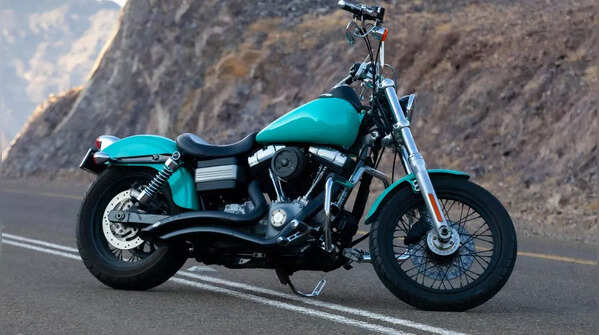
Cruiser Motorcycles
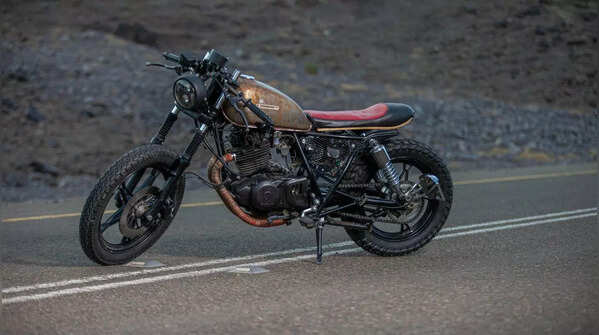
Cruisers are typically heavy bikes with a low seat height and relaxed riding posture that allow riders to place both feet comfortably on the ground. They emphasise comfort, steady highway performance, and classic styling rather than sharp cornering ability. Because of their stability and torque-focused engines, cruisers are best suited for relaxed city rides and short highway journeys.
Sport Bikes
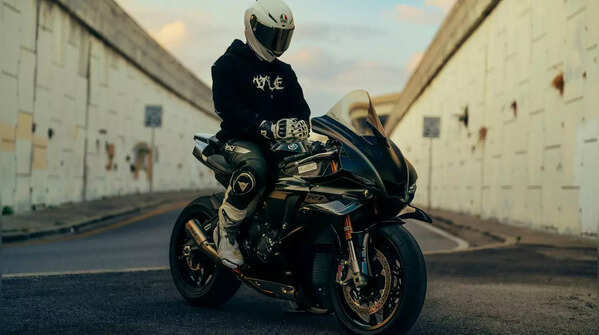
Sport motorcycles are lightweight, aerodynamic machines engineered for speed, acceleration, and precise handling. Their powerful engines can deliver extremely high horsepower, and their forward-leaning riding position improves control at high speeds. These characteristics make sport bikes ideal for racing tracks or experienced riders who prioritise performance over comfort in everyday commuting.
Touring Motorcycles
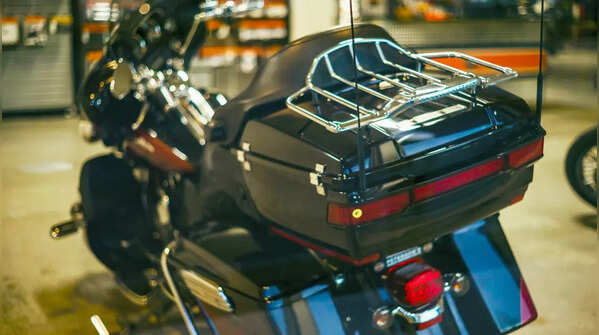
Touring bikes are designed specifically for long-distance travel. They are usually large and heavy, often equipped with navigation systems, storage compartments, and weather protection features to enhance comfort on extended journeys. Their smooth ride and stability make them suitable for cross-country travel with passengers and luggage, though their size can make slow-speed manoeuvring difficult.
Standard Motorcycles
Standard motorcycles provide an upright seating position and balanced design that suits everyday commuting. They are generally easier to handle, offer good visibility in traffic, and avoid extreme styling or performance focus. Because of their versatility and manageable power, standard bikes are often recommended for beginners and routine urban transportation.
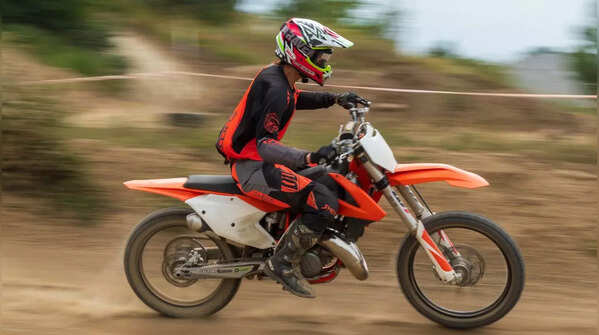
Dual-Sport Motorcycles
Dual-sport bikes are engineered for both on-road and off-road riding while remaining street-legal. They include essential road equipment such as lights and mirrors but are lighter and more rugged than typical street bikes, improving their ability on trails and rough terrain. This versatility makes them suitable for riders who travel across mixed surfaces.
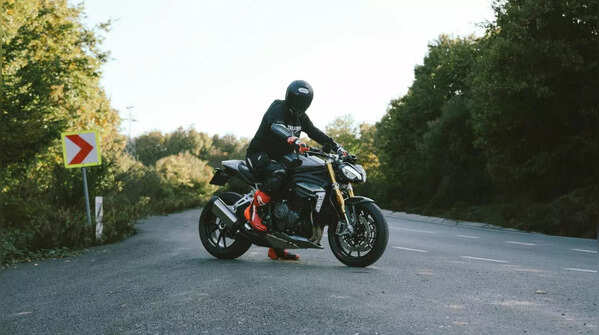
Adventure Motorcycles
Adventure bikes combine touring comfort with off-road capability, offering upright ergonomics, good fuel range, and the ability to handle varied terrain. They are commonly chosen for long journeys that include highways, gravel paths, or remote routes, making them popular among overland travellers and exploration-focused riders.
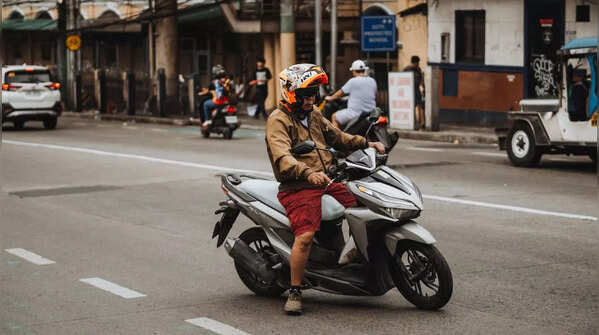
Scooters
Scooters differ from traditional motorcycles by placing the engine under the seat and attaching it directly to the rear axle. Their engine sizes vary widely, and their step-through frame design makes them convenient and easy to ride. Scooters are especially practical for short city commutes, fuel efficiency, and daily transportation in congested urban areas.
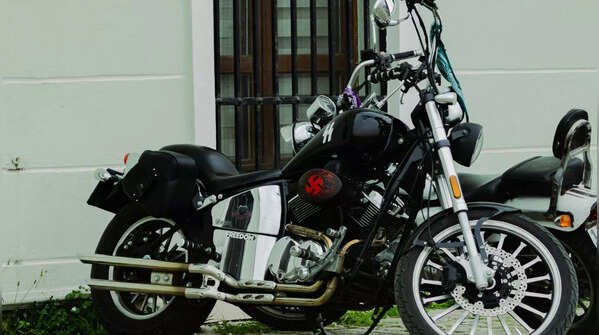
Chopper Motorcycles
Choppers are customised motorcycles recognised for extended front forks, stretched frames, and distinctive styling. Originating from modified production bikes, they emphasise appearance and individuality rather than practicality or speed. These bikes are mainly used for leisure riding, shows, and personal expression within motorcycle culture.
The wide variety of motorbike types reflects the diverse ways people ride, from daily commuting and long-distance touring to racing and off-road exploration. Understanding classifications such as cruiser, sport, touring, and dual-sport helps riders select machines aligned with their comfort, terrain, and performance needs. Choosing the right category ultimately improves safety, enjoyment, and practicality in motorcycling.
Image Credits: Canva
Featured In Auto

