
What is a convertible car? Features, types and 5 key facts every buyer should know
What is a convertible car? Features, types and 5 key facts every buyer should know
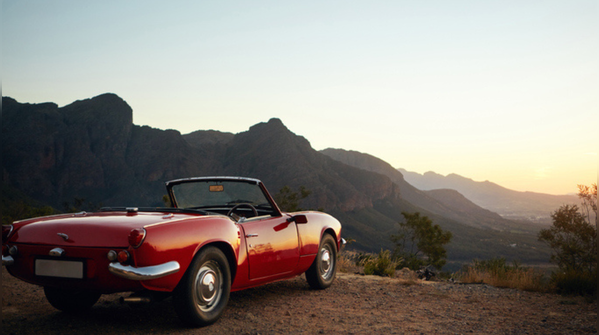
Few cars capture the feeling of freedom quite like a convertible. The idea is simple yet irresistible: driving with the roof down, feeling the breeze, and experiencing the road in a more open, immersive way. While convertibles are often associated with luxury and lifestyle, they are also a distinct category of automobiles defined by specific engineering and design choices. If you have ever wondered what exactly makes a car a convertible and whether owning one is practical, here is a clear guide to understanding their features, types and the key things every buyer should know before making a decision.
What is a convertible car?
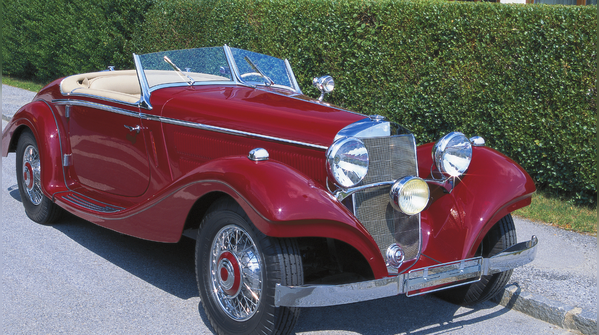
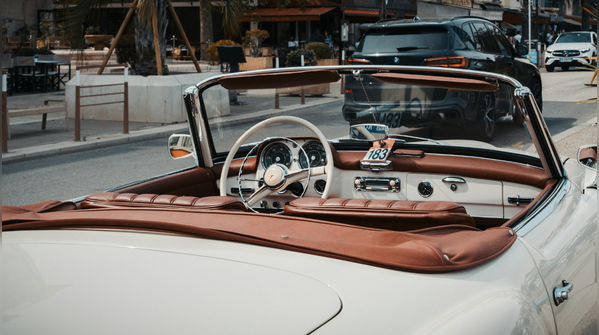
A convertible car is a vehicle designed with a roof that can be folded, retracted or removed, allowing it to switch between a closed-roof car and an open-top vehicle. Unlike standard cars with fixed roofs, convertibles offer flexibility, giving drivers the option to enjoy open-air driving whenever weather and conditions permit.
Modern convertibles typically use automated roof mechanisms that open or close at the press of a button within seconds. When the roof is up, the car functions like a regular coupe or sedan. When lowered, it transforms the driving experience entirely, offering greater visibility and a stronger connection with the surroundings.
Key features that define a convertible
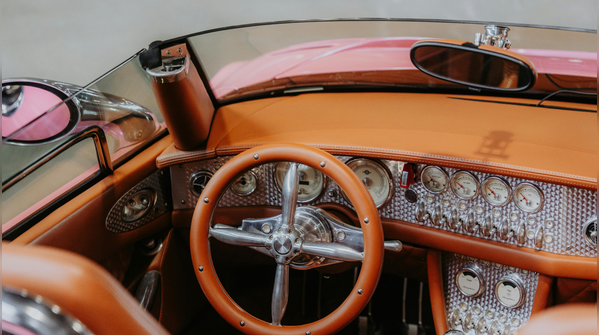
The most obvious feature is the retractable roof, but convertibles include several design elements that distinguish them from regular cars.
First, structural reinforcement is essential. Since the roof normally contributes to a car’s rigidity, convertible models are built with strengthened chassis and underbody support to maintain stability and safety.
Second, most convertibles come with advanced insulation and weatherproofing. Modern soft tops are engineered to reduce wind noise and prevent leaks, making them far more practical than older designs.
Third, safety systems such as rollover protection bars and reinforced windshields are commonly included. These features help protect occupants in case of an accident when the roof is down.
Finally, convertibles often emphasise style and driving pleasure. Sleek body lines, premium interiors and performance-focused tuning are common because these cars are designed as much for experience as for transportation.
Types of convertible cars
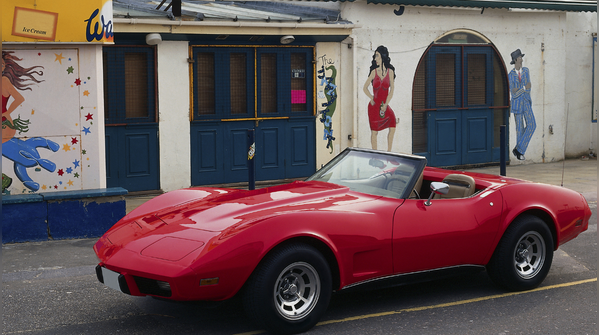
Not all convertibles are the same. Buyers will usually encounter three main types.
Soft-top convertibles use fabric roofs that fold neatly into the rear of the car. They are lighter, often more affordable and maintain the classic convertible look. However, they may offer slightly less sound insulation compared to hard roofs.
Hard-top convertibles feature metal roofs that fold electronically into the boot. These provide better insulation, security and durability, essentially turning the car into a coupe when closed. The trade-off is added weight and reduced luggage space.
Targa and semi-convertibles sit somewhere in between. Instead of removing the entire roof, only a section above the driver and passenger opens or detaches, offering partial open-air driving while retaining structural rigidity.

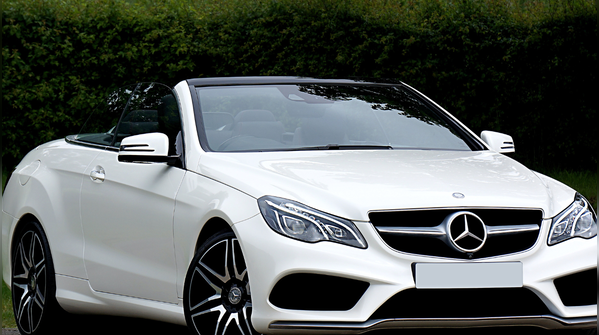
5 key facts every buyer should know, 1. Convertibles prioritise experience over practicality
Convertible cars are designed for enjoyment. While many modern models are comfortable daily drivers, rear-seat space and boot capacity are often smaller due to roof storage mechanisms.
2. Maintenance can be slightly higher
The retractable roof system includes motors, seals and moving parts that require occasional maintenance. Fabric roofs may also need periodic cleaning and care to maintain their appearance and durability.
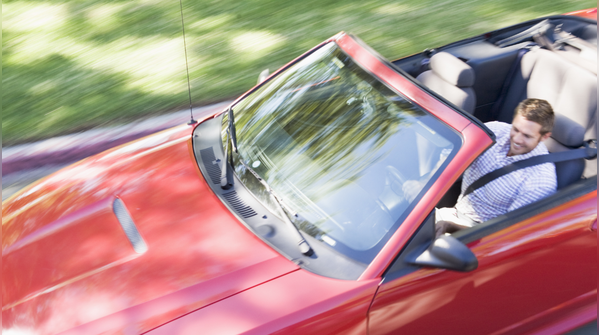
3. Weather matters more than you think
Convertibles shine in pleasant climates. Extremely hot summers, heavy monsoons or dusty environments may limit how often you actually drive with the roof down. Buyers should consider local weather conditions before investing.
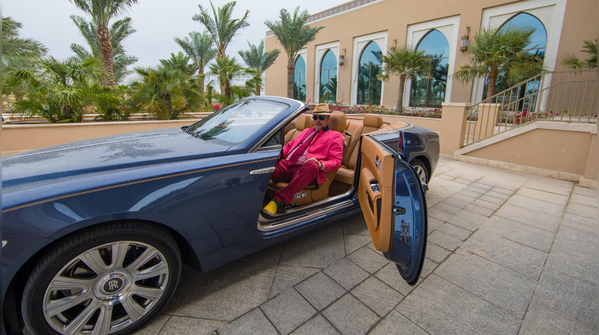
4. Safety standards are strong in modern models
Older perceptions suggested convertibles were less safe, but modern engineering has largely addressed this concern. Reinforced frames, airbags and rollover protection systems make contemporary convertibles comparable to regular cars in safety performance.
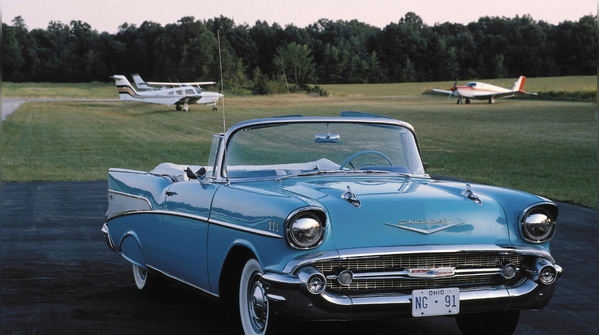
5. Resale value depends on brand and condition
Luxury convertibles from premium brands often retain value well if properly maintained. However, neglected roof mechanisms or worn fabric tops can significantly affect resale prices.
Why people still choose convertibles
Despite practical compromises, convertibles continue to hold a special appeal. They transform everyday driving into an experience rather than a routine. A scenic highway, coastal road or cool evening drive feels dramatically different without a roof overhead.
For many owners, a convertible is less about reaching a destination and more about how the journey feels. It represents freedom, leisure and a sense of occasion that few other car types can replicate.
Ultimately, buying a convertible is an emotional decision supported by practical considerations. Understanding how they work, the types available and what ownership involves helps buyers decide whether this iconic style of car fits their lifestyle. For those who value driving pleasure as much as functionality, a convertible remains one of the most rewarding automotive choices available.
Featured In Auto

