
- News
- Health News
- Ebola outbreak puts deadly virus back in spotlight: Early symptoms everyone should know
Ebola outbreak puts deadly virus back in spotlight: Early symptoms everyone should know
Here are the early warning signs of the disease
A case in the United States has just arrived, an American who contracted Ebola while working in the Democratic Republic of Congo. It's the kind of development that gets people paying attention to a disease most of us hopefully never think about. But right now, as authorities scramble to contain the outbreak in Africa, it's worth understanding exactly what this virus does to the human body and what the early warning signs actually look like.
According to the CDC, symptoms can appear anywhere from 2 to 21 days after contact with the virus, though on average people begin showing symptoms 8 to 10 days after exposure.
When the virus does strike, it starts simple. Too simple, actually. That's what makes early diagnosis such a nightmare for doctors working in outbreak areas.
The first phase
People with Ebola experience what the CDC calls "dry" symptoms early in the course of illness—fever, aches, pains, and fatigue. That's it. That's what you get. A fever. Body aches. Exhaustion. Sound familiar? These symptoms could be malaria. They could be the flu. They could be a bad cold. The WHO notes that Ebola symptoms can be sudden and include fever, fatigue, malaise, muscle pain, headache and sore throat.
.
The disease is characterized by an acute onset of fever with non-specific symptoms like abdominal pain, anorexia, fatigue, malaise, and sore throat. What the medical literature calls "non-specific" basically means "could be anything."
This initial phase is crucial because it's when transmission starts happening. A person infected with an orthoebolavirus is not considered contagious until after symptoms appear. But once symptoms hit, people become infectious. And unlike some viruses, Ebola is spread through direct contact with bodily fluids—blood, vomit, feces, sweat, saliva. That makes it especially dangerous in healthcare settings where people are handling patients without knowing they have Ebola.
Then things get worse
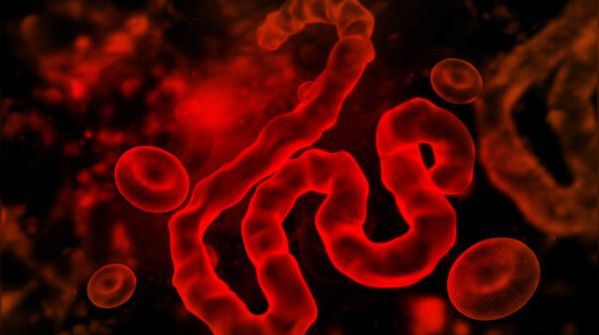
Around four to five days into illness, if Ebola is the actual diagnosis, the disease enters what medical professionals grimly call the "wet" phase. This is where the illness starts showing its true nature. As the person becomes sicker, the illness typically progresses to "wet" symptoms and may include diarrhea, vomiting, and unexplained bleeding. The CDC uses the term "wet" symptoms for a reason—patients develop severe, often uncontrollable diarrhea and vomiting that can last for days.
WHO documentation notes that fever is followed by vomiting, diarrhea, abdominal pain, rash, and symptoms of impaired kidney and liver functions. This is when the virus really starts attacking the body. Organs begin to fail. The patient's condition deteriorates rapidly. Medical data shows that fluid losses are severe during this phase—averaging between 3 and 5 liters daily in some cases, though it can climb to 10 liters a day.
Beyond the gastrointestinal chaos, other symptoms emerge. Patients develop chest pain, shortness of breath, severe headaches, even confusion. Eye irritation and redness occur in many patients, and hiccups have been reported. Seizures may occur, and cerebral edema has been documented. Some patients suffer damage to their central nervous system that causes confusion, irritability, and aggression.
The rash
Somewhere in the mix, often around day three to seven of illness, patients develop a rash. It typically starts on the chest and spreads. But by this point, the patient is often severely ill. Patients who survive may have fever for several days and begin improving about 6 days after symptoms started. Those who don't make it usually deteriorate rapidly, often developing shock and organ failure.
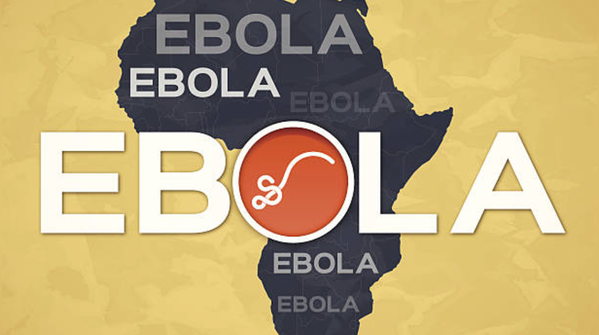
The mortality rate depends on which strain of Ebola we're talking about. Death rates vary from about 25-90% depending on the type of orthoebolavirus and if supportive care is available. The current outbreak involves Bundibugyo virus, which has a death rate of 25-50% according to the CDC. That's still a terrifying statistic when you put it in plain language—one in four patients dies at minimum.
What survivors actually deal with
If a patient survives, you might think the nightmare ends. It doesn't. Ebola survivors may suffer from long-term complications including memory loss, neck swelling, dry mouth, tightness of the chest, hair loss, hearing problems, pain or tingling in the hands and feet, inflammation of the tissues around the heart, inflammation of one or both testicles, changes in menstruation, impotence, decreased or lost interest in sex, difficulty falling or remaining asleep, depression, anxiety, and post-traumatic stress disorder. These aren't minor side effects. Some survivors report months or years of joint pain, weakness, and psychological trauma.
Why this matters right now
The current outbreak in the Democratic Republic of Congo and Uganda has health authorities around the world watching closely. The CDC has already implemented enhanced screening at U.S. ports of entry. But understanding symptoms matters more than panic. If someone has traveled to the outbreak zone in the past three weeks and develops fever, body aches, headache, and vomiting, that's the time to alert healthcare providers about potential Ebola exposure. Early supportive care—fluids, symptom management, treatment for secondary infections—dramatically improves survival chances.
Featured In Health

