
- News
- City News
- ahmedabad News
- London to Karachi, 186-year-old book on Surat's history creates buzz
Trending
This story is from November 20, 2018
London to Karachi, 186-year-old book on Surat's history creates buzz
Handwritten 1,700-Page 'Hadiq-Ei-Ahmadi' Donated To City Library
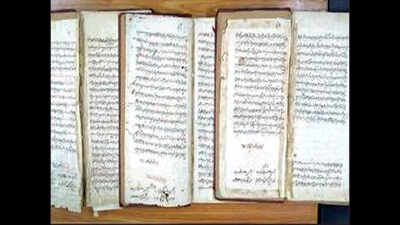
Hadiq-Ei-Ahmadi’ is one of two sets of scholarly works by Bakshu Miyan that remained elusive for more than four decades

The book 'Hadiq-Ei-Ahmadi', running into approximately 1,700 pages which has been donated to the library, is one of two sets of scholarly works by Bakshu Miyan that remained elusive for more than four decades.
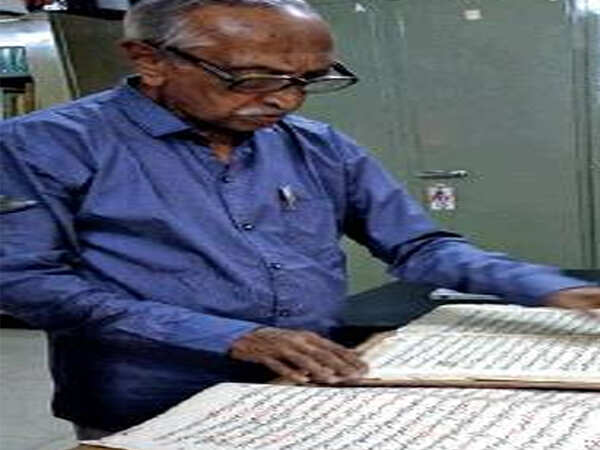
"The volumes were last seen in 1981 by scholar Z A Madini. The work is historically important as it talks of the origin of the city till the time Surat lost its importance to Bombay under the British rule; and the politics and the trading intrigues of Surtis. The book was completed a few years before Bakshu Miyan's death in 1849, at the age of 45. It was brought out by his son, Mohammed Arif alias Sheikhu Miyan, in 1858.
"Bakshu Miyan served with the East India Company just like his father. He soon left the work and took to compiling the history of the city," says Bombaywala. The book has been donated for researchers by Shaikh Moinuddin.
The Gujarat Sahitya Parishad's Urdu Academy's book on Surat, called 'Guldaste-Sulhai- Surat' has an entire chapter on Bakshu Miyan. The chapter says that apart from the Hadiq-Ei-Ahmadi, Bakshu wrote another scholarly compilation called the Hadiq-ei-Hind. He had cited 444 references in his book on Surat and had included Islamic texts like the al-Tabari Ibn Ishaq and Ibn Hisham.
"The mammoth book was written at a time when most scholarly books in Arabic or Persian were handwritten," says Bombaywala. After he died, Bakshu Miyan was laid to rest beside his grandfather's grave in the Hazrat Marjan Shami mosque in Surat.

About the Author
Paul JohnEnd of Article
FOLLOW US ON SOCIAL MEDIA






Photostories
Hot Picks
TOP TRENDING
Popular Categories
Hot on the Web
Top Trends
IND vs BAN Live ScoreRussell WilsonsVirat KohliMickey ArthurShantanu NaiduUGC NET ResultNobel Peace PrizeMahadev Betting AppAmazon LayoffsRatan Tata DiesCBSE Class 10 12 Practical ExamPopular Schools in Navi MumbaiManagement Colleges of IndiaTop Medical Colleges of IndiaTop Engineering Colleges of IndiaTop Pharmacy Colleges of IndiaLive Cricket Score
Trending Topics
Diwali WishesDussehra 2024 QuotesDussehra WishesVettaiyan OTT ReleaseVettaiyan CollectionVettaiyan ReviewNatasa StankovicDevara CollectionBigg Boss 18Deepika PadukoneShraddha KapoorRatan Tata Passed AwayJigra Movie ReviewVettaiyan Movie ReviewSwatantrya Veer SavarkarDussehra 2024Elon MuskDussehra Whatsapp StatusUltimate Football Codes October 2024Wordle Answer
Living and entertainment
Latest News
Challenging Aspects in Astrology: What They Mean for YouNew Zealand pile pressure on India after routing Sri LankaInfosys to no longer send job offer letters and attachments, the company will ...In the land of Ram, a Ramlila that unites Hindus and Muslims'Singham Again' stars Ajay Devgn, Kareena Kapoor, Rohit Shetty spotted at airport as they jet off for Raavan Dahan in Delhi - Watch VIDEOPapankusha Ekadashi 2024: Date, Parana Time, Puja Rituals and Significance'Bigg Boss OTT 3' contestant Ranvir Shorey admits lack of patience for 'Bigg Boss', enters the show unprepared7 dead, 1 missing after car plunges into canal in HaryanaETimes Pic of the day: When Indrajith Sukumaran bumped into Mukesh Ambani at a traffic signalDid you know NTR is the only actor to play both Lord Rama and Ravana?TDB will go ahead with online darshan bookings at Sabarimala templeWho is judge Arun Subramanian? New Judge assigned to Sean 'Diddy' Combs sex-trafficking casePrasanth Varma shares his passion for superhero films inspired by mythology and magic'Against anyone who ... ': Congress snubs Owaisi after 'take everyone along' remarkIsrael army warns south Lebanon residents 'not to return to homes'RSS' 100th Foundation Day: Full text of speech by Mohan BhagwatStunning Dresses for a Perfect Birthday LookPradeep Ranganathan turns a worstu student for Ashwath Marimuthu's 'Dragon'; first look revealed
Copyright © 2024 Bennett, Coleman & Co. Ltd. All rights reserved. For reprint rights: Times Syndication Service