
- News
- City News
- chandigarh News
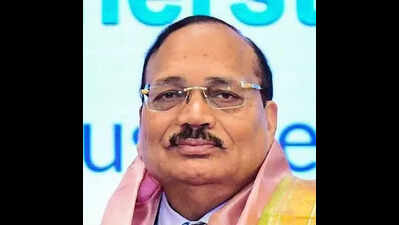
- Credible dispute systems key to growth, says CJI
Trending
Credible dispute systems key to growth, says CJI
Israel Iran War
Get the latest lifestyle updates on Times of India, along with Women's day wishes, messages and quotes !


About the AuthorAjay Sura
End of Article
Follow Us On Social Media
Hot Picks
Top Trending
Tired of too many ads?go ad free now
Trending Stories
In City
Entire Website
- Rs 33,500-crore development push for Delhi: PM Narendra Modi to inaugurate key Metro corridors and more; what you need to know
- 'Stabbed her 40 times': 25-year-old engineer kills twin sister, attacks mother after argument over break-up with girlfriend
- Karnataka school horror: Student kills one, injures several in midnight attack at Ballari gurukul
- At over 140 km/h with 80,000 watching live: Watch moment YouTuber UK07 Rider Anurag Dobhal crashes Fortuner on Delhi–Meerut Expressway
- Bengaluru woman ends life after argument with husband over sambar
- 20-year-old woman abducted from street, gang-raped on college campus in Gwalior; trio arrested
- Maharashtra woman throws chilli powder into 3-year-old adopted girl’s eyes
- Man held for strangling woman over marriage, money dispute; body dumped on Noida service road
- 'They are here for justice, will fight for them': 43 ‘ghost’ voters join CM Mamata Banerjee on SIR protest stage, display docus
- Navi Mumbai man impersonates IAS officer in Union home minister Amit Shah's office to pressure cop, arrested
- At over 140 km/h with 80,000 watching live: Watch moment YouTuber UK07 Rider Anurag Dobhal crashes Fortuner on Delhi–Meerut Expressway
- US-Israel-Iran War Live Updates: Middle East war day 8: Third US carrier on way as Israel launches 'extensive strikes' on Iran
- Karnataka school horror: Student kills one, injures several in midnight attack at Ballari gurukul
- IND vs NZ Final Match Timings: What time is India vs New Zealand T20 World Cup match?
- Fresh Food Airlifted Into UAE: LuLu flies 80,000 kg of Indian produce; more imports planned
- Dubai Airport Flight Suspension: Flights halted after aerial interception; partial services resume
- 30-Day Waiver For Indian Refiners: India says oil policy is sovereign; 250 million barrels in reserve
- Final Against New Zealand: Kaif urges India to drop Abhishek Sharma; Rinku Singh suggested as replacement
- NEET UG 2026 registration ends tomorrow: Check NTA guidelines to upload photo, direct link to apply here
- LPG price hike: Domestic cylinders to rise by Rs 60, commercial cylinders by Rs 115 — report
Tired of too many ads?go ad free now



Explore Every Corner
Across The Globe
China Iran relationDubai airportAnurag DobhalMaxx Crosby ContractSuryakumar YadavIsrael Iran WarIND vs NZ Match TimingsShoaib AkhtarT20 World Cup FinalIndia vs New Zealand ScorecardIND vs NZIND vs NZ Live StreamingAhmedabad Match Weather UpdateT20 World Cup 2026 Closing CeremonyBrett RandellDaren SammyMS DhoniIndian National Cricket TeamSouth Africa Cricket TeamCA Inter Result January 2026Nepal Election Results 2026Asim MunirNepal Election ResultsUP ScholarshipLuLu groupKim Ju AeMurmu-Mamata rowDwarka ExpresswayUttam Nagar murderWhere to Watch Ind vs Nz t20
Hot on the Web
Women's Day WishesHappy Women's Day WishesVijayShah Rukh KhanDhurandhar 2 TrailerAhmedabad Police Traffic advisoryLab Grown GoldBest War Movies On NetflixThe Kerala Story 2War News AnxietyMagnesium DeficiencyWomens's Day MessagesBollywood War MoviesDhurandhar 2 TrailerWomens Day QuotesChiranjeeviAllu ArjunWomen's Day QuotesYami GautamAmitabh BachchanRERA 2.0Maheika SharmaThe Great Indian Kapil Show 4Anurag DobhalDeeksha SethYoung Sherlock ReviewHoroscope TodayThe Bluff Movie ReviewBorder 2 Movie ReviewTu Yaa Main Movie ReviewToday Gold Rate in ChennaiDelhi Weather TodayDelhi AQI TodayMumbai AQI TodayMaharashtra Public Holidays 2026Maruti Brezza Facelift SpiedLab Grown DiamondsMark ZuckerbergSam AltmanSocial Media BanWomen’s Day AI Prompts
Trending Topics
Suryakumar YadavDroupadi MurmuZayed Al NahyanIsraeli Drone StrikeICAI CA Foundation ResultCUET PG Admit CardNOC Vehicle TransferAIIMS Robotic SurgeriesIran vs US Israel warBrett RandellNEET UG 2026 RegistrationNBEMS GPAT Answer Key 2026ICAI CA Intermediate Toppers ListUS Embassy BlastMumbai UniversityBareilly Twin Sister MurderDelhi Meerut Expressway AccidentDelhi Uttam Nagar MurderAbu Dhabi Zayed International AirportDubai travel updateAmritpal SinghJunaid-Nasir murder caseVande Bharat ExpressDelhi Metro corridorsBrooks KoepkaJustin HerbertAlysa LiuMLB opening dayCristiano RonaldoMumbai Indians New IPL JerseyDaylight Saving Time 2026Electric Cars Vs Petrol CarsSam AltmanApple Macbook Air M5Stephen HawkingAnthropic Ceo Dario AmodeiNvidia China DreamMacbook Neo VSMacbook AirOracle LayoffsHow to watch ICC T20 World Cup 2026 in USAHow to watch ICC T20 World Cup 2026 in CanadaHow to watch T20 World Cup online in India
Popular Categories
HeadlinesSports NewsBusiness NewsIndia NewsWorld NewsBollywood NewsHealth+ TipsIndian TV ShowsTechnologyTravelEtimesHealth & FitnessHow to watch T20 World Cup OnlineIndia vs Pakistan MatchAstrologyAutoWeather TodayGold Rate Today DelhiSilver Rate TodayPlatinum Rate TodayIs Bank open todayMarch Bank HolidaysMarch Public HolidaysDeorhiTechnology NewsInternational SportsPublic HolidaysBank HolidaysT20 World Cup Squad IndiaT20 Wprld Cup Squad
Latest News
'Flying objects, spears with energy': 'Varanasi' star Priyanka Chopra delves into Indian history, Vedas and mythologyWomen’s day 2026: Smartphones, laptops, speakers and other gadgets from Apple, Samsung, Sony, Asus and othersOver 52,000 Indians fly home from UAE, Gulf within a week as authorities issue update amid US-Iran conflictSplitsvilla X6: Chakshdeep Singh quits the show amid rift with Anisha Shinde; says, ‘I’ll choose my self-respect’Why Punjab & Haryana high court acquitted Ram Rahim in journalist murder caseFortnite Wild Weeks Power Hour event (March 8, 2026): Release timings for all regionsBollywood celebs attend premiere of Mahesh Manjrekar’s play AnimalLeopard dies after being hit by vehicle on National Highway in Punjab'Changing face of the Middle East': Netanyahu thanks Trump for strikes on Iran; claims 'control' over Tehran skies'Dhurandhar The Revenge' star Sara Arjun to lead 'Heer Ranjha'? Mukesh Chhabra shuts down buzz: ‘Hasn’t signed any film’From superbikes to 8 crore garage: How rich is UK07 Rider? Inside YouTuber Anurag Dobhal’s net worthThe real EV growth story Is coming from Tier-2 and Tier-3 India'Thank you for raising her': Allu Sirish honors late father-in-law in emotional post after wedding to Nayanika Reddy'Force 3' goes on floors in Gujarat; Harshvardhan Rane begins shoot with Tanya Maniktala, John Abraham joins mahurat ceremony'Strange': South Africa players slam ICC after England fly home while SA, WI remain stranded in IndiaGuardians of the City: Women in uniform lead the way to safer streetsSSC CGL 2025 final vacancies announced: Over 15,000 posts across ministries and departmentsMantra to recite before meals for the blessings of Goddess Annapoorneshwari
Copyright © 2026 Bennett, Coleman & Co. Ltd. All rights reserved. For reprint rights: Times Syndication Service