
- News
- City News
- delhi News
- Cash tap off, liquor flow slows
Trending
This story is from November 12, 2016
Cash tap off, liquor flow slows
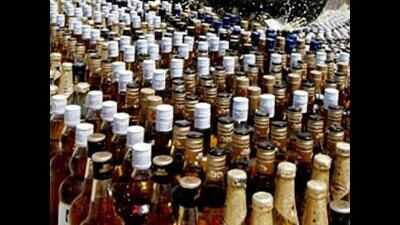
The Delhi government, which has not witnessed any notable increase in excise duty collections this year compared to the same period in last year, was banking on the festival and wedding season to ramp up the revenues.

Around Rs 2,500 crore has been collected as excise duty so far and the annual target is around Rs 4,800 crore. Sources said it was not easy to meet the target given that there was almost a seven-month delay in notifying the state excise policy—the notification was supposed to come out on April 1. If the duty regime remains unchanged and better monitoring to plug the leaks and robust season sales are the only measures available for the excise department to boost its revenue. Now, the latest currency crisis is likely to put a dampener on the government’s plans.
Vikas Arora, who runs a liquor shop in south Delhi, told TOI, “There has been a sharp decline in customers visiting my shop ever since the Rs 500 and Rs 1,000 notes have been demonetised. Even those who are coming get caught in the problem of change. With the new Rs 2,000 notes, the problem will grow manifold.”
He claims most customers give cash and there are just 25% of buyers who use credit cards. The problem is said to be worse in west and east Delhi where almost everyone uses cash to by liquor.
A major liquor dealer having outlets across the city said that the average daily earning had come down from Rs 5 lakh to Rs 1 lakh in the past few days. “People don’t have cash to pay and this is impacting our sales. Also, this has severely affected the business in this wedding season,” he said.
Data available with the Delhi government shows that there are 704 restaurants with bar licences besides 399 shops in malls with liquor licences. The number of government-run vends stands at 350.
End of Article
FOLLOW US ON SOCIAL MEDIA
Photostories

Hot Picks
TOP TRENDING
Popular Categories
Hot on the Web
Top Trends
Haryana Election Exit PollAmethi Murder CaseJ&K Election Exit Poll ResultIsrael Iran WarRishabh PantTravis KelcesHulk HoganMohammad KaifUGC NET ResultNima Hospital Doctor MurderTaylor SwiftDiddyWomen's T20 World CupTop MBA Colleges of IndiaT20 WC ScheduleWomen T20 World Cup Points TableLive Cricket Score
Trending Topics
Samantha Ruth PrabhuNavratri Colours 2024Navratri Day 2 ColourTMKOC New SonuNaga ChaitanyaDevara CollectionGOAT OTT ReleaseRajinikanthDeepika PadukoneGovindaDevaraGovinda NewsDevara Movie ReviewHealthy RaitasSwatantrya Veer SavarkarColdplay India tour 2025Maa Durga 108 NamesNavratri JewellerySony Bravia 55 inch 4k Ultra HD TVWordle Answer
Living and entertainment
Latest News
Trump promotes fake JPMorgan endorsement, then denies involvement: 'I don't know'ISL: Borja’s left foot to Goa’s rescuePer capita income to nearly double in 5 years: Finance minister SitharamanManju Pavagada gets engaged in a close affair; pictures go viral on social mediaCommunity Connect: Hungry for connectionInsider Claims Nick Sirianni Plays 'Madden' with Eagles, While AJ Brown Is Celebrated as Jalen Hurts' SaviorNFL has denied the 49ers appeal of changing their red home jerseys to white amid heatwave hitting the Santa Clara areaMysuru all set for a glittering DasaraWomen's T20 World Cup scenario: What India must do to qualify for semifinals after heavy defeat in opener against New ZealandBigg Boss 18: Salman Khan begins shooting for the new season; First look from the sets revealedDrought has dried major Amazon river tributary to its lowest level in over 122 yearsJames Webb Space Telescope detects carbon dioxide and hydrogen peroxide on Pluto’s largest moon Charon; know the insightsSalman Khan's old dubsmash clip with Sonakshi Sinha cracks up the internet; fans say 'Bollywood used to be so much fun'It’s More Than Just About Tirupati Laddoos"First murder of 2024": The Instagram post that helped Delhi Police crack Unani doctor's murderRBI: Banks should bring similar business under one entityMadhya Pradesh high court dismisses man's petition over 'objectionable' post on Lord Rama, HinduismExclusive - Omung Kumar on Bigg Boss 18 house: My inspiration came from staying in cave hotels abroad, especially in Turkey, but this set reflects our India, with its carvings, sculptures
Copyright © 2024 Bennett, Coleman & Co. Ltd. All rights reserved. For reprint rights: Times Syndication Service