
- News
- City News
- guwahati News
- Gauhati high court orders reinstatement of 771 ASTC contractual employees after legal battle
Trending
Gauhati high court orders reinstatement of 771 ASTC contractual employees after legal battle
The Gauhati High Court has ordered the Assam government to reinstate 771 ASTC contractual employees who were released from their contracts in 2023. The court stated that their services are required until regular appointments are made or the posts are abolished, acknowledging that their appointments were irregular but not illegal.
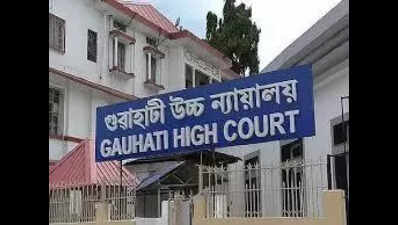
Gauhati high court
Poll
Do you agree with the court's decision to reinstate the 771 contractual employees of ASTC?
End of Article
Follow Us On Social Media










Photostories
Hot Picks
Top Trending
Explore Every Corner
Across The Globe
DUSU Election 2025Jimmy KimmelUsain Bolt Net WorthStefon Diggs FamilyTravis Kelce WeddingSteven BonnellWorld Athletics ChampionshipIndian Origin Paramjit SinghJosh AllenPatrick MahomesCristiano Ronaldo Net WorthStefon DiggsRichest Active WNBA PlayersAl Nassr Players Luxury Watch CollectionsHasanAbiTaylor SwiftUAE National DayVidyut JammwalSri Lanka vs Afghanistan Live ScoreSimone Biles CareerAsia Cup 2025 Points TableLamine YamalCitizenship TestSusan MonarezBen Jerry ice creamStephen CurryFOMC MeetCharlie KirkPakistan-Saudi PactTrump Tariffs
Hot on the Web
PM Narendra Modi DietNano Banana AI Image GuideDeepika PadukoneHigh Cholesterol Control TipsHighest Gold Reserves CountriesGourami Fish CareThe Bad***ds of Bollywood X ReviewHeart AttackThe Bads Of Bollywood ReviewSolar Eclipse 2025The Bads Of BollywoodJimmy KimmelJimmy Kimmel Net WorthCardi B Pregnancy NewsHeart HealthHeart Attack Causing HabitsDiabetes Spike FruitsMustard Oil For Hair GrowthThe Family Man 3Fatty Liver SymptomsColon CancerReverse Pre DiabetesLung CancerBloating Relieve RemediesFatty Liver Detox TipsFatty Liver SymptomsDog BreedsBigg Boss 19Elephant Safari National ParkThe Bengal Files Box Office CollectionBaaghi 4 Box Office CollectionBananas With Black PepperGallbladder CancerStop Scrolling Reels In ToiletGlp 1 Weight Loss DrugsTrick To Improve SleepAlmonds Could Lower CholesterolNutrient Deficiencies In WomenYouTube Live UpdateFish Oil SupplementsWatermelon Benefits
Trending Topics
Paramjit Singh CaseWayne GretzkyAngel ReeseCeleste Rivas HernandezIND vs PAK Asia CupUAE Golden VisaAsia Cup Super 4IBPS PO Prelims ResultDUSU Elections 2025CISF PET and PST Admit CardRamiz RazaAP EAMCET CounsellingUsain BoltRajasthan Police Constable Answer KeyRashid LatifKSET Registration WindowJasprit BumrahUPSC IFS Mains 2025 ScheduleIND vs PAKUttarakhand CloudburstBhubaneswar MurderDelhi BMW CrashGhaziabad Kidnapping NewsJaipur MurderMumbai Metro 3DK ShivakumarPM Modi Mother Ai VideoLucknow SuicidePuja KhedkarDisha PataniLudhiana MurderMeta GlassesiPhone 17 PriceJensen HuangAsteroid FA22Mark ZuckerbergElon MuskAdopted BillionairesSpaceX WatershipDiego PasiniWordle TodayNyt Connections Hints
Popular Categories
HeadlinesSports NewsBusiness NewsIndia NewsWorld NewsBollywood NewsHealth+ TipsIndian TV ShowsTechnologyTravelEtimesHealth & FitnessDelhi Gold Rate TodayNumerology Number 1 HoroscopeChinese Horoscope PredictionsAstrologyWeather TodayPlatinum Rate TodaySilver Rate TodayGold Rate TodayIs Bank open todayIs Bank Open TomorrowBank Holidays in SeptemberPublic Holidays in SeptemberStock Market HolidaysNFL ScheduleTechnology NewsInternational SportsPublic HolidaysBank Holidays
Trending Videos
After Modi Phone Call, Trump To Lift India Tariffs? Relief Likely On 50% Duty Following HostilitiesiPhone Air and iPhone 17 Series Mega UnboxingMaheswari Says She Was Heartbroken When Ajith Kumar Called Her ‘Chelli’Amit Shah Takes Jibe at Rahul Gandhi Over Vacations, Praises Modi’s Commitment to IndiaTrump Confronts Epstein-Linked Foe Rupert Murdoch at Lavish UK Royal BanquetRahul Slams ECI, Amit Shah On ‘Vote Theft’, CJI Gavai Defends Remark ..And MoreTrump Gives Extraordinary Gift To King Charles With Eye-Popping Present For CamillaTrump’s Surprise Tariff Relief? India Eyes End To 50% Duty After Months Of HostilitiesDeepika Padukone Exits 'Kalki 2898 Ad' Sequel, Makers Say 'film Deserves Commitment'From CEPA To Space: India And UAE Chart A New Growth Map Together, Trade Pact Expands To FDIFrance Erupts: Strikes and Student Protests Challenge Macron and PM Lecornu Over Budget CutsTHAAD, Bunker Busters: New Pentagon Docs Reveal $500M Cost To America I Iran-Israel WarSwara Bhasker Disagrees With Fahad Ahmad On Kangana Ranaut, Calls Her ‘Destiny’s Child’Sydney Sweeney Offered Rs 530 Crore For Bollywood Debut?Congress Leader KS Alagiri Stirs Row With ‘Slap Kangana’ Remark; BJP MP Responds StronglyPrahlad Kakkar's Big Revelation On Aishwarya's Marriage| 'She Does Not Like Jaya'Brigitte Macron Defamation Case Explodes: Photographic Proof & Expert Testimony Planned‘India’s Steadfast Support’: Modi Reaffirms Support to Nepal’s New Interim PM Sushila Karki
Latest News
Fugitive Lalit Modi's brother arrested: Samir Modi held on rape charge in DelhiLt Gen Vivek Kashyap takes over as 12th commandant of OTA GayaDelhi shocker: Teen househelp 'jumps' from 3rd floor, was 'caught' stealing Rs 3,000; family says she was pushedTop 5 Al Hilal Players’ Exotic Supercar Collections: From Kalidou Koulibaly’s $80,000 Porsche Cayenne To Salem Al Dawsari’s $460,000 Rolls Royce PhantomTeam #Bonrad celebrates, Team #Jelly sulks: Watch parties take over India as TSITP finale dropsOnePlus Diwali Festive Sale: Big discounts on smartphones, tablets, and moreMerab Dvalishvili’s coach says UFC Champ looks “brutal” ahead of Cory Sandhagen clash at UFC 320Can your indoor plants cause you headaches: What science says and what you can doNHL new season injury updates: Matthew Tkachuk, David Pastrnak, and Mackenzie BlackwoodWill Tyreek Hill play tonight against the Buffalo Bills? Latest injury update on the Dolphins star wide receiverWho is Jimmy Kimmel's wife, Molly McNearney?Optical Illusion: Think you have hawk eyes? Prove it by spotting the pear among apples in 7 seconds!Jharkhand Launches 8th National Nutrition Month to Combat Malnutrition and Promote Local Foods'The Summer I Turned Pretty: THE MOVIE': Jenny Han reveals a final chapter for Bonrad; says, 'another big milestone left''Jimmy Kimmel Live!' cancelled: Charlie Kirk's old comment resurfaces; fans reflect 'he won'Ravichandran Ashwin to be part of Team India for the Hong Kong Sixes 2025Who is Sachin Yadav? Indian javelin throw star who outshone Neeraj Chopra at World Athletics ChampionshipsBahrain's job market 2025: Key sectors, companies, and open roles for job seekers
Copyright © 2025 Bennett, Coleman & Co. Ltd. All rights reserved. For reprint rights: Times Syndication Service