
- News
- City News
- Hyderabad News
- Dengue loses sting by Oct, but waterlogging keeps vector lethal
Trending
This story is from September 18, 2017
Dengue loses sting by Oct, but waterlogging keeps vector lethal
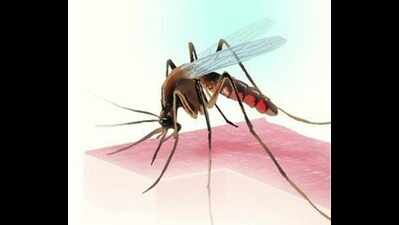
Doctors and health experts said widespread water-logging in the city is to be blamed for the steep increase in dengue cases.

This despite the rainfall having been much less in the month of September as compared to the last year.
While last year from September 1 to September 17, 219.3 mm of rainfall was recorded in the city, this year 117.6 mm of rainfall has been recorded.Water stagnation and damp surroundings are conducive for breeding of the Aedes mosquito (that spreads dengue and chikangunia) .
“Even if there is stagnant water in a rubber tyre or in a coconut shell it is enough for the Aedes mosquito to breed.Also the fact that the mosquito bites during daytime, makes it difficult to control the spread of dengue.
Unlike night, when people use mosquito nets, repellents etc, the day biting mosquitos have a free run,“ said Dr
Hari Kishan, consultant general physician, Apollo Hospitals Hyderguda, adding that the highly congested city leads to large-scale water stagnation.
Residents in various areas complained of stagnation to be an issue for months toget her due to the lack of a proper drainage system.
“Even if it rains for a day , we have water stagnation in our areas for the next one to two weeks due to potholes and uneven roads,“ said P Krishnaiah, a resident of Madhavapuri Hills road.
Meanwhile, as per the latest figures available, the total number of dengue cases recorded `officially' have now reached 1143 in the state (up to September 15). Telangana state has recorded the fifth highest number of Swine flu (H1N1) cases among all states and a marked increase in number of cases has been reported over the last one month.
End of Article
FOLLOW US ON SOCIAL MEDIA










Photostories

Hot Picks
TOP TRENDING
Popular Categories
Hot on the Web
Top Trends
Trending Topics
Diwali WishesDhanteras 2024Fake PaneerKarwa Chauth WishesSomy AliVicky Vidya Ka Woh Wala Video CollectionKarwa Chauth 2024Akash AmbaniAvinash MishraBigg Boss 18Kaun Banega Crorepati 16Shraddha KapoorVettaiyan CollectionBougainvillea Movie CollectionJuhi ChawlaLiam PayneTop Load Washing MachinesBest Premium LaptopsIntel LayoffsWordle Answer
Living and entertainment
Latest News
Standing desks: The new health risk nobody saw comingI’m young and want to understand failure: Siddhant ChaturvediMoody's assigns first-time Baa3 ratings to Bajaj FinanceUBT alleges MCC violation, files plaint with ECCan a dash of cinnamon in your coffee speed up belly fat loss?Giriraj Singh kicks off 'Hindu Swabhiman Yatra' from Bihar's BhagalpurPriyanka Chopra dazzles in a shimmery corset gown for 'Paani' screening; fans call 'jiju' Nick Jonas a lucky manVijay Varma reveals his negative roles always made women feel intimidated: 'It hurt when Sunidhi Chauhan said she was scared of me'BSF personnel open fire after suspected drone movement in Fazilka.Fiancée Ronika Stone hints at wedding plans with Jordan Love as she turns 'Bride' before Packers vs. Texans on SNFBLACKPINK’s Lisa opens up about the challenges of maintaining privacyOne bomb hoax can cost an airline over Rs 3 croreOptical illusion personality test: Are you diplomatic or brutally honest?Stop music by 10pm and verify crew, cruise owners toldPakistan on-campus rape: Violent protests in Lahore; properties damaged, one killedKelce Brothers Take Aim at Blake Lively’s Athletic Abilities During Their Review of The Sisterhood of the Traveling PantsTamil Nadu toddler dies as TV set falls on himCanada tracks Indian media, journos and submits report to foreign interference inquiry
Copyright © 2024 Bennett, Coleman & Co. Ltd. All rights reserved. For reprint rights: Times Syndication Service