
- News
- City News
- jaipur News
- With 2 males straying, experts bat for dispersal of young tigers from Sariska
Trending
This story is from August 20, 2024
With 2 males straying, experts bat for dispersal of young tigers from Sariska
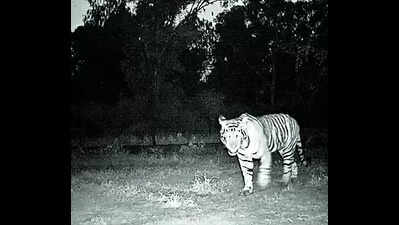
The tiger population in STR has now reached 43, comprising 11 males, 14 females, and 18 cubs. Thirteen of these cubs were born between March and June this year. While the increase in tiger numbers is a positive development, experts stress the need for the forest department to secure wildlife corridors to ensure safe movement of these animals.
This is particularly important as young tigers are venturing into areas near major cities like Jaipur and regions of Haryana. If there are no safe corridors, these big cats can move out near human settlements and lead to man-animal conflict. Otherwise, they can safely reside there and come back.
Wildlife biologist Sumit Dookia highlighted the significance of a wildlife corridor connecting STR to Asola Bhatti Wildlife Sanctuary in Delhi, which passes through 6-7 districts in Haryana, encompassing the Aravalli Range with its thorny scrub forests.
Dookia said, “It's crucial for forest and wildlife managers to extend their focus beyond protected areas and ensure that the habitat of the Aravalli hills is safeguarded from encroachment and illegal activities. The movement of wildlife in these areas will be in complete co-existence if we will be able to secure their habitat. The current movement of tigers in the Aravalli range of Haryana is the best example to understand this.”
Experts said that by 18 months, most tigers feel the urge to disperse, and male tigers travel 27 km (average dispersal distance) and females around 6 km. Also, tigers need large territories, ranging from 20 sq km to 400 sq km (as per the studies), free from intense human pressures. Dispersal is also crucial for the genetic health of tiger populations. Tigers may travel long distances in search of suitable habitat and resources.
World Wilderness Congress chairman Sunil Mehta said for the past year, tiger T-24 has been living in Jamwa Ramgarh Wildlife Sanctuary, situated 30 kilometres away from Jaipur.
“There is apparently a good prey base in the sanctuary, and this is the reason there are no reports of tigers killing cattle. The govt should protect these areas from encroachments and declare them as a buffer of STR as big cats will move out once the population increases. Also, there is an immediate need to shift villages from the STR valley to create inviolate space inside the reserve,” Mehta said.
End of Article
FOLLOW US ON SOCIAL MEDIA









Photostories

Hot Picks
TOP TRENDING
Explore Every Corner
Across The Globe
Popular Categories
Hot on the Web
Top Trends
NBA Trade RumorsCAT Answer KeyIPL 2025 Sold and Unsold Player ListEknath Shinde HospitalisedLebron vs Anthony FightKPSC PDO Hall TicketKarnataka Board TimetableIPL 2025 Full Teams SquadTravis KelceCAT Answer Key 2024RCB Team SquadWorld Chess ChampionshipIPL All TeamsPrithvi ShawSuryakumar YadavJasprit BumrahIPL All Team SquadsLive Cricket Score
Trending Topics
Living and entertainment
Latest News
Shahid Kapoor on living in rented house with single mother Neliima Azeem: 'She stopped working because she had to take care of Ishaan'Is Dr Parik Patel Kash Patel’s father? News outlet’s gaffe leaves social media in splitsRituals take the spotlight in multi-cultural weddingsTom Cruise to star in Doug Liman's supernatural thriller 'Deeper'Ted Danson to be honoured with Carol Burnett Award at 2025 Golden GlobesFilmmaker Harvey Weinstein rushed to hospital after alarming blood test results"My post has been misinterpreted...I would be back": Vikrant Massey clarifies he has not taken retirement from actingKangana Ranaut playfully taunts paps and tells them to watch Vikrant Massey's 'The Sabarmati Report': 'Aisi bakwaas filmein dekhte ho..kabhi acchi bhi..'CSK's latest recruit Shreyas Gopal dazzles with hat-trick, dismisses Hardik and Krunal Pandya for golden ducks in Mushtaq Ali Trophy'Soodhu Kavvum 2' trailer: Mirchi Shiva starrer promises a hilarious filmNew immigration rules may force millions to leave Canada: How these new norms will impact engineers, technicians and others working in the countryTop 10 must-watch Anime series this winter seasonThe legacy of Heroes: My Hero Academia volume 42 and its symbolic epilogueRemove Indian flag, stop this Doglapan ... Why netizens are 'upset' with this Goa entrepreneurMahindra's jet-inspired BE 6e lands in trademark dispute with Indigo: SUV maker responds!Insides of 'Fabulous Lives of Bollywood Wives' fame Shalini Passi's artistic Delhi mansion: A blend of luxury, family, and passion for artSwiggy is taking its rivalry with Zomato beyond Biryanis, ration to this new categoryWho Is the eighth member of BTS? RM finally reveals the heart warming truth
Copyright © 2024 Bennett, Coleman & Co. Ltd. All rights reserved. For reprint rights: Times Syndication Service