
- News
- City News
- kolkata News
- A glimpse inside the second edition of The City As A Museum
Trending
This story is from November 30, 2022
A glimpse inside the second edition of The City As A Museum

The walk was led collaboratively by the researchers Sarbajit Mitra and Amreeta Das, who took visitors through the range of periodicals that are held by its collection—focusing on the evolution of printed artwork and illustrations within them. Some of the most prominent artworks produced in Bengal, found life in these periodicals that were circulated regularly, instead of salon viewings or exhibitions, making them an important resource for recreating our artistic heritage.
“The City As A Museum is DAG’s annual festival of art and heritage celebrated during International Heritage Week. Over the week we have travelled across Kolkata and beyond exploring lesser-known treasure troves of art. With this visit to Uttarpara, we see how imprints of rare works of art can be found within the pages of the periodicals in the library’s collection, and travel back in time to experience the vibrant literary debates of the time," said Sumona Chakravarty, Vice President, DAG Museums.
The sheer range of names associated with illustrating these periodicals and evolving new methods of printing technology offers a sense of their importance in churning the intellectual cultures of its day. The pioneering Bengali antiquarian Rajendralal Mitra wrote accounts of India’s architectural past that were usually illustrated by Annada Prasad Bagchi; Joseph Fayrer—a surgeon at the Calcutta Medical College—published a volume titled Thanatophidia of India: Being a Description of the Venomous Snakes of the Indian Peninsula (1872), delivering quite explicitly on the promise of the title with illustrations of the creepy-crawlies executed by students of the Government Art School.
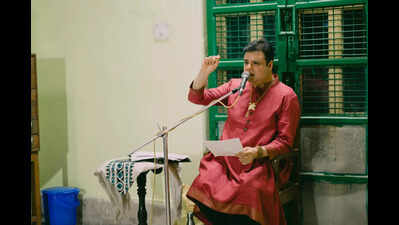
After this detailed overview of the library and its collection, the visitors were in for another special closing programme - a set of performative readings by Sujoy Prasad Chatterjee. Chatterjee held the audience in thrall as he declaimed an excerpt from Sri Aurobindo’s famous speech on the eternal verities of the Sanatan Dharma (originally delivered at the Uttarpara library), and then he read from the works of Sunil Gangopadhyay and Swapnomoy Chakrabarty, creating a complex view of the past as a source of sacred as well as profane histories that mixed learning and devotion —with the Dakshineshwar Temple visible across the teeming blue thread of the Hooghly river.
As Chatterjee read from the immortal lines of Aurobindo and the evening spread slowly across the lawns of the library, a magical atmosphere was created, transporting the audience across the centuries when such readings and exchanges were more commonly seen in the library premises, making it one of the most important centres of learning and reformative education in the country. With his dramatic and empathetic readings, Chatterjee’s performance struck the ideal closing note to this event. "I was thrilled to perform here and I hope museums and libraries in the city adopt this model of cultural programming for future engagement and education", said Sujoy.

About the Author
Ruman GangulyEnd of Article
FOLLOW US ON SOCIAL MEDIA










Photostories
Hot Picks
TOP TRENDING
Popular Categories
Hot on the Web
Top Trends
Trending Topics
Diwali WishesDhanteras 2024Fake PaneerKarwa Chauth WishesKarwa Chauth Mehendi DesignVicky Vidya Ka Woh Wala Video CollectionKarwa Chauth 2024Salim KhanAvinash MishraBigg Boss 18Kaun Banega Crorepati 16Shraddha KapoorVettaiyan CollectionBougainvillea Movie CollectionJuhi ChawlaLiam PayneTop Load Washing MachinesBest Premium LaptopsIntel LayoffsWordle Answer
Living and entertainment
Latest News
King Charles makes his first public appearance during Australia tourGreatest catch ever? Ramandeep Singh plucks one-handed stunner to send dangerous Pakistan batter packing - WATCHBihar migrant worker killed in Kashmir, first targeted attack since new government took chargeIs the NFL Prepared for the Climate Crisis? The Financial Toll on Stadiums That Could Reshape the Future of FootballBlinken expected to visit Israel on Tuesday, Axios reporter says'They kept trying to bring in migration': UK's ex-minister claims blocking India FTA over visa demands, says reportsThe Great Indian Kapil Show 2: Archana Puran Singh reveals she has never observed Karwa Chauth fast; Kapil Sharma hints at wife Ginni demanding giftsChampai Soren, Sita Soren, Babulal Marandi in BJP first list of 66 seats out of 68Jammu and Kashmir Ghaznavi Force duo behind several grenade attacks arrested in J&K’s PoonchMilitants attack Manipur thana day after setting school on fireIED blast kills 2 ITBP jawans in C'garh distVijaya Kishore Rahatkar appointed new NCW chiefCuba gets some electricity back after major power outage left millions in the darkMarvel's Spider-Man 2 PC game launch date confirmed: All the detailsLaura Loomer says Harris should go to therapy for grief, nobody cares for her motherWest Bengal CM Mamata Banerjee dials fasting doctors, sets up Monday meetAries, Weekly Horoscope, October 20 to October 26, 2024: Focus on family and potential mental stressWill Rajinikanth compensate for Vettaiyan's box office performance? Here's what we know...
Copyright © 2024 Bennett, Coleman & Co. Ltd. All rights reserved. For reprint rights: Times Syndication Service