
- News
- etimes
- animals-pets
- 6 Deadliest Himalayan snakes you never knew existed
6 Deadliest Himalayan snakes you never knew existed
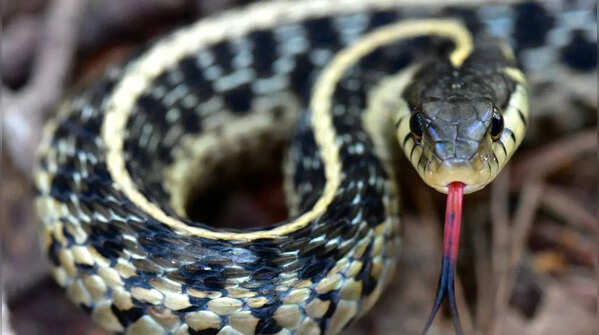
6 Deadliest Himalayan snakes you never knew existed
The vast and mighty snowcapped stretches of the Himalayas are known for their spellbinding beauty and enchanting landscapes, but deep beneath the frozen mountains and alpine meadows lie some of the world’s most lethal mountain snakes that are surprisingly dangerous. There’s no denying that venomous snakes are often associated with hot, humid forests, desserts and lowlands, but these mountain snakes inhabit one of the tallest mountain ranges of the world, around 15,000 feet. In fact, these scary crawlers are a threat for hikers, shepherds, and remote villages because medical centers are scarce in the high altitudes and finding antidotes to these venomous snakes is often difficult. Here are some of the most common inhabitants of the Himalayan range.
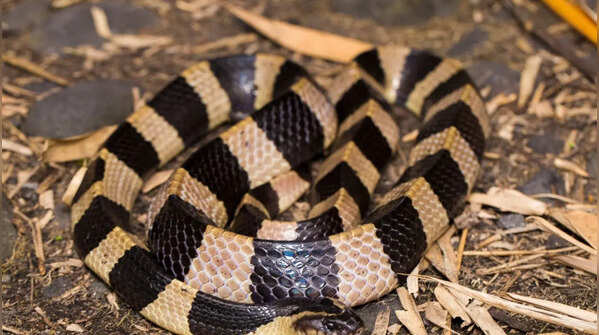
The Greater Black Krait (Bungarus niger)
Glossy and cold, the Greater Black Krait is often found
lurking in the damp, forest foothills of the eastern Himalayas. This species does not have the classic white stripes seen on regular kraits; it displays a solid, glossy blue-black body that blends perfectly into darkness, and its venom contains a brutal mix of pre-synaptic neurotoxins and destructive myotoxins. It is believed that a bite from this snake initially causes a painless, descending paralysis that shuts down the victim's ability to swallow or breathe. Soon after, the myotoxins trigger widespread Rhabdomyolysis—a agonizing breakdown of muscle tissue that floods the bloodstream with proteins, leading to sudden, acute kidney failure in most cases.
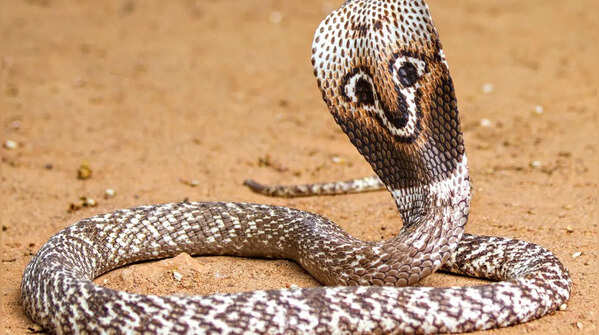
The Caspian Cobra (Naja oxiana)
The Caspian Cobra, is also known as the Black Oxus Cobra. This lethal snake rules the rocky, arid valleys of the western Himalayan sub-zones. Moreover, the adult Caspian cobra features a heavy, dark chocolate or soot-colored body. It is widely considered one of the most toxic cobra species on Earth. Its strike floods the victim with high concentrations of post-synaptic neurotoxins that target the nervous system with terrifying speed. According to experts, within just a few hours, the venom of this snake spreads across and may lead to respiratory failure, and without mechanical ventilation, the bite is almost like a death sentence if medical help is not available.
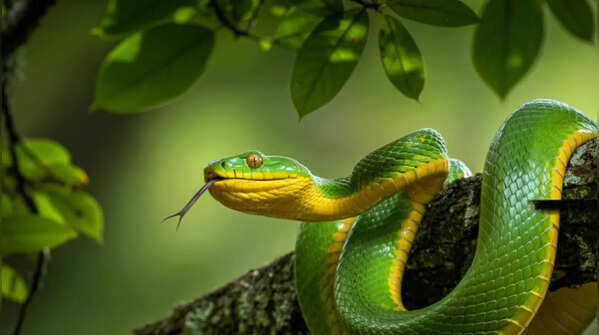
The Himalayan Pit Viper
Gloydius himalayanus, also known as the Himalayan Pit Viper. It is the true altitude champion of the snake world, comfortably living at elevations up to 16,000 feet, where only a few reptiles can survive. The Himalayan pit viper is a small, dusty-gray snake mottled with dark brown blocks, allowing it to disappear against rocky scree slopes and leaf litter. Because it relies heavily on camouflage, it often stays completely still until a human accidentally steps directly on it. While its venom yield is lower than that of large lowland vipers, it is a potent hemotoxin that destroys local tissue, disrupts blood clotting, and causes severe, localized swelling and necrosis. In remote alpine zones where getting to a hospital takes days, a bite of this viper can result in internal bleeding and secondary infections can easily turn lethal.
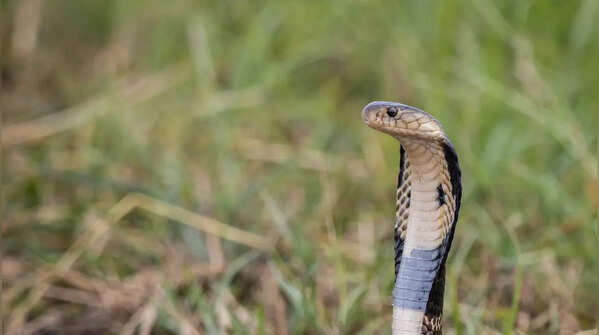
The Monocled Cobra
Naja kaouthia, also known as the Monocled cobra, dominates the eastern Himalayan foothills. The monocled cobra is easily identified by the single, striking O-shaped ring on the back of its hood. This snake adapts remarkably well to human environments, frequently entering rice paddies and mountain villages in search of rodents. Its venom is heavily dominated by fast-acting three-finger neurotoxins and cytotoxic enzymes. A bite triggers immediate, intense local pain and rapid tissue destruction around the wound, while simultaneously paralyzing the diaphragm. It is responsible for a massive percentage of snakebite fatalities across the lower mountain slopes of South Asia.
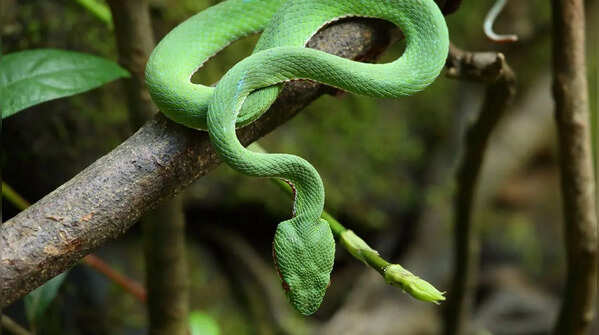
The White-Lipped Pit Viper
Trimeresurus albolabris is a vibrant, lime-green arboreal snake looks like a beautiful vine, but it is a master of ambush in the dense bamboo forests and agricultural terraces of the lower Himalayas. Armed with heat-sensing pits to hunt warm-blooded prey in the dark, it hangs from low branches where it easily hits the hands, faces, or shoulders of unsuspecting farmers. The venom is a complex hemotoxic cocktail that triggers profound coagulopathy—destroying the body's ability to clot blood. Victims experience severe pain, massive swelling, and extensive internal bleeding, which can lead to cardiovascular shock or fatal brain hemorrhages if left untreated.
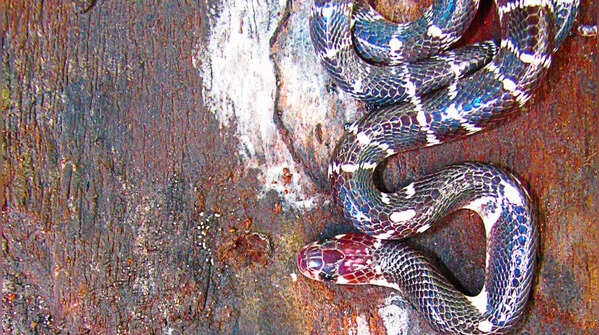
The Common Krait (Bungarus caeruleus)
Though often viewed as a lowland problem, the common krait regularly pushes up into the agricultural valleys and stone-walled homes of the lower Himalayan ranges. Jet-black or deep blue with thin white crossbands, this nocturnal hunter is notorious for crawling into human bedsheets at night seeking warmth. Its bite is so deceptively minor that victims often sleep right through it, waking up hours later with severe abdominal cramps, blindness, and locking joints. The venom contains powerful pre-synaptic neurotoxins that permanently lock the body's neuromuscular junctions. By the time the sun comes up, the victim's respiratory muscles are completely paralyzed, making it one of the deadliest snakes in the entire mountain region.
Featured In etimes

