
- News
- etimes
- animals-pets
- From snakes to crabs: Animals that shed their skin and the reason behind it
From snakes to crabs: Animals that shed their skin and the reason behind it
From snakes to crabs: Animals that shed their skin and the reason behind it
For reptiles, shedding allows them to increase their size and stay healthy. For insects and crustaceans, shedding becomes essential as their hard outer shell doesn’t have enough room to expand further. Many amphibians also shed their skin to maintain moisture in their body. Shedding for some animals can even provide nutrients as they sometimes eat their shed skin in order to avoid any predator.
(Photos from Shutterstock)
Snakes
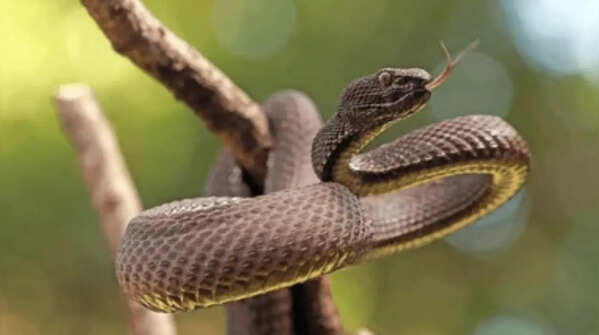
Snakes are the most popular animals associated with shedding. While human skin sheds continuously, a snake's shed skin remains intact and whole. This generally occurs a few times per year if the snake is going through a fast growth period. A day or two before shedding, there will be a fluid buildup between the old and new skin that causes the snake’s eyes to become milky or bluish. The snake becomes less active during this time but becomes highly active once its skin starts peeling off. For snakes, shedding removes parasites and damaged skin, allowing a new layer to grow.
Tarantulas and spiders
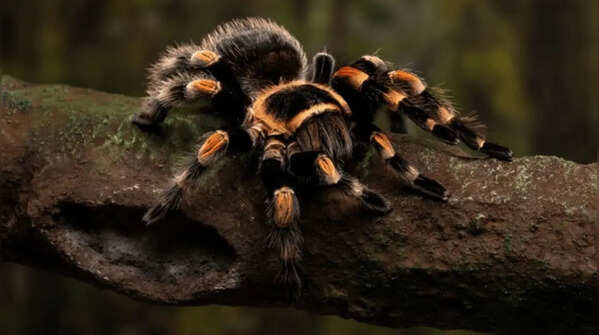
Spiders, along with tarantulas, molt their external skeleton several times within their lifetimes. This behavior enables them to grow bigger and heal from injuries. Most tarantulas tend to rest on their backs when molting. Even though this sight might seem disturbing, it is very common among them. Their new exoskeleton remains tender until it toughens up. Interestingly, some spiders regrow missing legs through molting over time.
Crabs
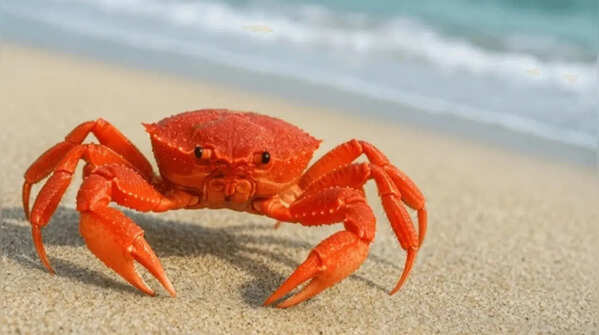
Just like crabs, lobsters, and shrimp go through molting processes since their hard exoskeletons do not expand. During molting, they slowly break out of the old shell. Their new shell stays soft for a while, making them vulnerable to predators. They hide themselves until their new shell becomes harder. Interestingly, some crabs can regrow limbs that they have lost in the molting process.
Insects
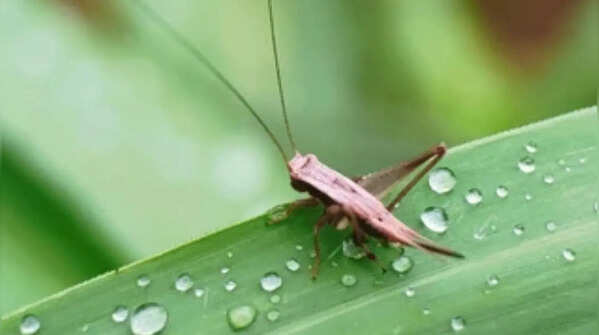
It is not possible for an insect to grow unless it peels its exoskeleton several times during its lifetime. Grasshoppers, beetles, butterflies, and cockroaches are among such insects. While growing, a new soft exoskeleton develops under the old one. As soon as the old exoskeleton breaks, the insect leaves it behind and expands while its new shell hardens. This moment is extremely sensitive since the body remains unprotected.
Lizards
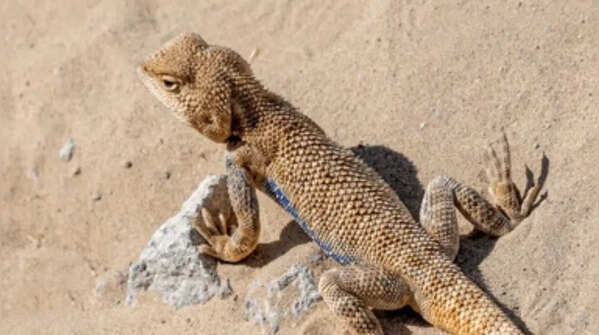
A lot of lizards go through the shedding process although they do not necessarily shed their skins in one go as do snakes. Lizards such as geckos shed their skins in patches, and some even consume their shed skin to restore nutrients and avoid predator detection. Shedding occurs more often in young lizards owing to their fast growth and infrequently in older ones.
Frogs and Toads
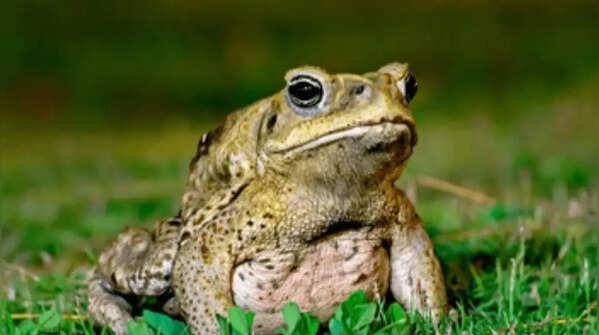
Amphibians, including frogs and toads, must shed their skins regularly because their skins handle respiration and moisture intake. Some frogs peel the old skin by themselves with their legs and feed on it. This behavior allows them to recycle their skin and keep the habitat clean. The process can occur once a week or even more frequently depending on the particular species.
Featured In etimes

