
7 antioxidant-rich vegetable you should be eating more often
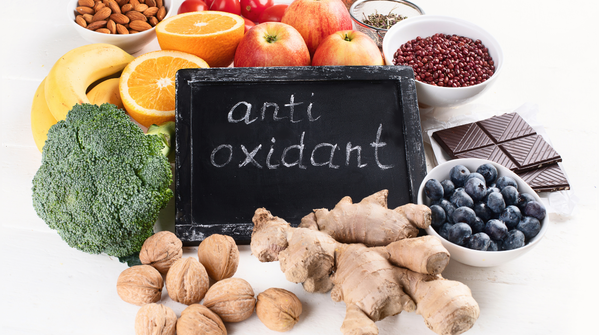
Vegetables that are packed with antioxidants
There is a reason grandparents insisted on finishing the greens on the plate. Long before nutrition labels and wellness trends became popular, traditional diets quietly relied on vegetables that protected the body in ways science is still trying to fully understand.
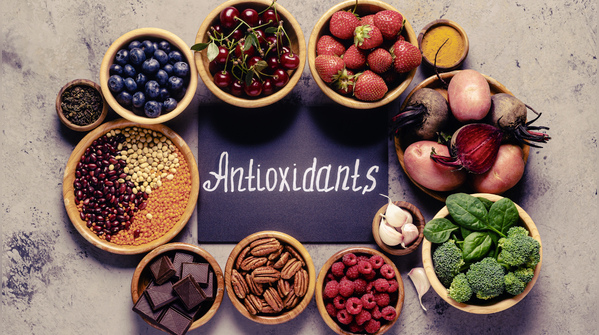
Antioxidants are natural compounds that help the body deal with oxidative stress, a process linked with ageing and several chronic diseases. According to the US National Institutes of Health, vegetables and fruits remain some of the richest natural sources of antioxidants, and diets rich in them are associated with better long-term health outcomes.
But not all vegetables bring the same nutritional strengths to the table. Some stand out because of their unusually high levels of compounds like lutein, beta-carotene, anthocyanins, flavonoids, and sulforaphane. These are not just scientific words buried inside research papers. They are the substances that quietly help protect cells every single day.
Here are seven antioxidant-rich vegetables worth eating more often, and why they deserve more space in everyday meals.
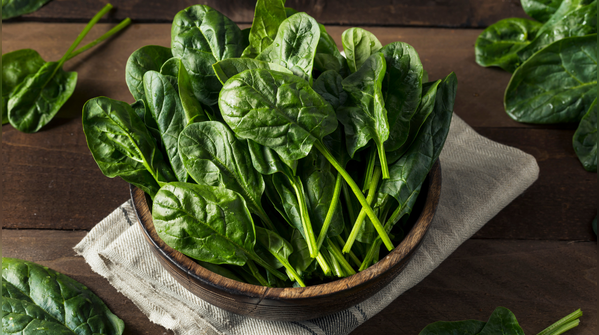
Spinach
Spinach rarely demands attention, yet it may be one of the most useful vegetables in the kitchen. Rich in lutein, zeaxanthin, vitamin C, and beta-carotene, spinach supports eye health and may help reduce oxidative stress in the body.
Researchers from the National Institute on Aging have also linked higher antioxidant levels with better brain health outcomes later in life.
What makes spinach especially practical is how easily it fits into Indian meals. It can disappear into dal, parathas, soups, smoothies, or even omelettes without changing the overall flavour too much.
One overlooked detail: spinach absorbs better when paired with a little healthy fat. A drizzle of mustard oil, olive oil, or even peanuts can help the body use its carotenoids more effectively.
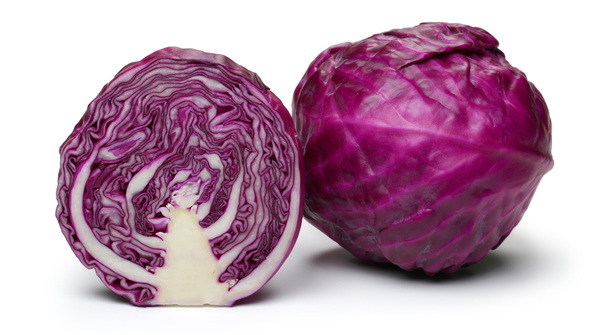
Red cabbage
Red cabbage looks dramatic on the plate for a reason. Its deep purple colour comes from anthocyanins, the same antioxidant compounds found in blueberries and black grapes.
These compounds are being studied for their role in protecting blood vessels and reducing inflammation. Red cabbage is also surprisingly rich in vitamin C.
Unlike delicate leafy vegetables, cabbage holds its texture well. It works beautifully in stir-fries, salads, stuffed rotis, and even quick pickles.
Lightly cooked cabbage may sometimes retain antioxidant activity better than overboiled versions. A study published on PubMed examining cooking methods and antioxidant capacity found that excessive cooking can reduce certain beneficial compounds in vegetables.
The lesson is simple: vegetables do not always need dramatic cooking. Sometimes less really is more.
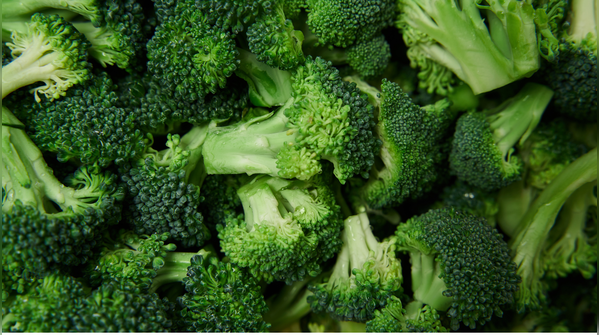
Broccoli
Broccoli has earned its reputation honestly. It contains sulforaphane, a plant compound widely studied for its protective effects against cellular damage.
Cruciferous vegetables like broccoli have repeatedly appeared in nutrition research because of their strong antioxidant and phytochemical content. Several studies have associated them with better long-term health outcomes when eaten regularly as part of a balanced diet.
Many people still overcook broccoli until it turns dull and limp. That is where things go wrong.
Broccoli tastes best when lightly steamed or quickly sautéed. It should still have a slight bite. Add garlic, lemon, or sesame, and it becomes far more interesting than its boring reputation suggests.
Beetroot
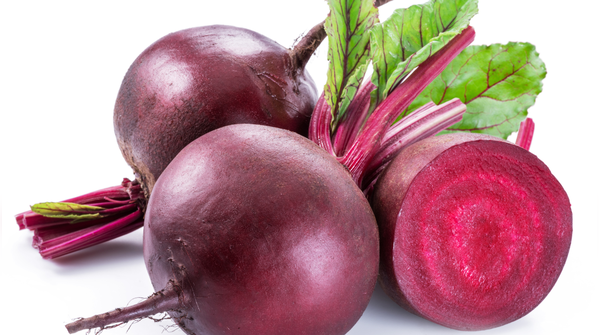
Beetroot carries betalains, antioxidant pigments that give it its striking ruby-red shade. These compounds are being explored for their anti-inflammatory and protective effects.
Beyond antioxidants, beetroot naturally contains nitrates, which may support blood flow and exercise performance in some people.
The biggest mistake with beetroot is treating it like “health food” instead of actual food. It works beautifully roasted with spices, blended into soups, mixed into cutlets, or grated fresh into salads with lemon and black salt.
Its earthy flavour may not appeal to everyone initially, but it grows on people slowly. Like good music, beetroot often needs a second chance.
Carrots
Carrots may not feel exciting anymore, but nutrition science still respects them deeply.
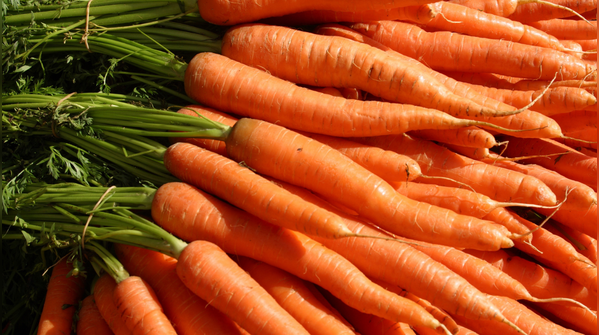
They are loaded with beta-carotene, which the body converts into vitamin A. Carrots also contain other antioxidant compounds that support eye health and immune function.
What makes carrots valuable is consistency. They are available through most seasons, relatively inexpensive, and easy to eat raw or cooked.
The old advice about eating carrots for eyesight was not entirely wrong after all.
A small but useful tip: cooked carrots can sometimes make beta-carotene easier for the body to absorb compared to raw ones.
Garlic
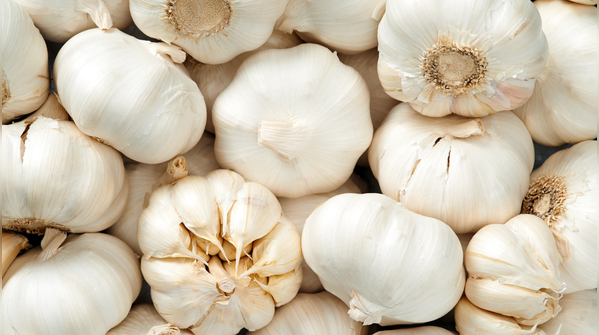
Garlic is often treated as seasoning, but nutritionally, it deserves far more respect.
It contains sulfur compounds like allicin, which contribute to its antioxidant and antimicrobial properties. Research around allium vegetables, which include garlic and onions, continues to explore their possible role in long-term digestive and cardiovascular health.
Garlic also reflects something important about healthy eating: powerful nutrition does not always come from expensive superfoods.
Sometimes it comes from ingredients already sitting in the kitchen.
Crushed raw garlic releases more active compounds than whole cloves. Letting chopped garlic sit for a few minutes before cooking may also help preserve some of its beneficial compounds.
Tomatoes
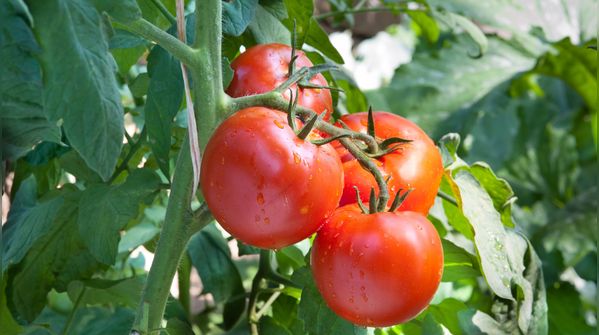
Tomatoes contain lycopene, one of the most studied antioxidant pigments. Interestingly, cooked tomatoes often provide more absorbable lycopene than raw ones.
That means simple foods like tomato curry, rasam, soup, or homemade pasta sauce may offer more nutritional value than people realise.
Tomatoes also remind us that antioxidants are not about perfection. No single vegetable changes health overnight. But small daily habits quietly add up over years.
And perhaps that is the real point. Good health rarely comes from one miracle ingredient. It comes from repetition, balance, and ordinary meals eaten consistently.

Why variety matters more than chasing one “superfood”
Nutrition experts often warn against becoming obsessed with one trendy vegetable or supplement. Antioxidants work differently, and the body benefits from variety rather than overload.
That is why colourful plates matter. Green, purple, orange, and red vegetables each bring something slightly different.
A simple home-cooked meal with mixed vegetables may quietly do more for long-term wellness than many expensive wellness products advertised online.
Disclaimer
This article is for informational purposes only and does not replace professional medical advice, diagnosis, or treatment. Nutritional needs can vary depending on age, medical history, allergies, and existing health conditions. Always consult a qualified healthcare professional or registered dietitian before making significant dietary changes.
Featured In etimes

