
- News
- etimes
- animals-pets
- How many babies can anaconda deliver at once? The answer is shocking
How many babies can anaconda deliver at once? The answer is shocking

How many babies can anaconda deliver at once? The answer is shocking
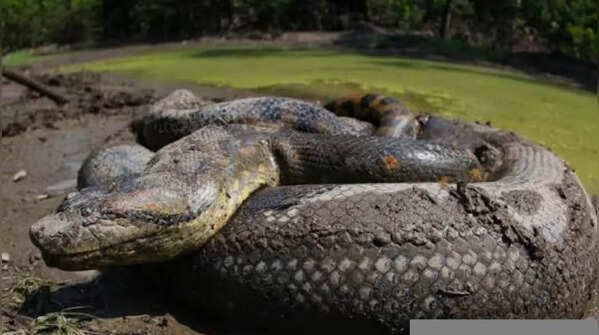
Anaconda Green is considered one of the largest and heaviest snakes in the world. These animals are distinguished not only by their amazing size but also by their peculiar mode of reproduction. Unlike other snakes, anacondas give birth to live offspring. Their breeding habits, pregnancy duration and offspring survival rate make anacondas very special and interesting creatures.
(Photos from Shutterstock)
How many babies does an anaconda give birth to?
One female anaconda usually gives birth to about 20 to 40 babies in one instance. On some occasions, depending on different physical attributes, a single pregnant anaconda can give birth to over 70 or even 80 babies at once. In general, the number of babies born by each anaconda usually varies, considering factors like weight, age, state of health, and nutrition among others. Generally, anacondas that are larger are able to give birth to many offspring because of their large capacity to carry babies.

Do anacondas lay eggs?
A unique attribute of anacondas when compared to most snakes is that they do not give birth to eggs but rather through ovoviviparous births. This means that the eggs hatch while they are still inside the anaconda before giving birth. The newborns are born alive after hatching.
The benefit of ovoviviparous reproduction is that the babies gain protection from predators since they are inside the anaconda while developing. Since anacondas mostly live in water regions, they have a high chance of survival.
How long does pregnancy last in a female anaconda?
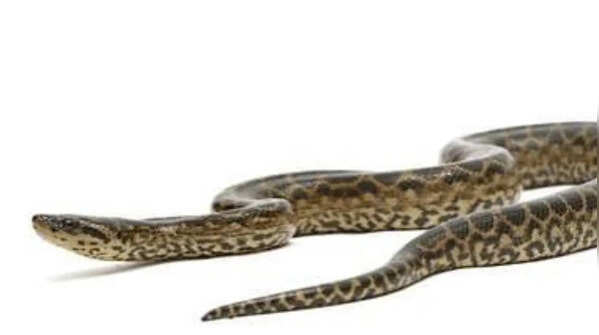
The gestation period for a female anaconda lasts six to seven months. At this time, the female spends a lot of her time resting since she is pregnant. Also, they are known to eat little because the babies consume a lot of space in their body. The act of mating usually occurs during the rainy seasons when male anacondas group around the female anacondas. The male anacondas come together to fight for for the opportunity to reproduce with the female.

What Is life like for baby anacondas?
Newborn baby anacondas are actually big when they emerge from their mother’s womb. They are usually about 2 feet in length and can swim right away after coming out. However, although they are small compared to other anacondas, they are excellent predators even as babies. Their prey consists of small fish, frogs, birds, and rodents. If there is plenty of food or suitable conditions, young anacondas grow rather fast.
Why do anacondas give birth to so many babies?
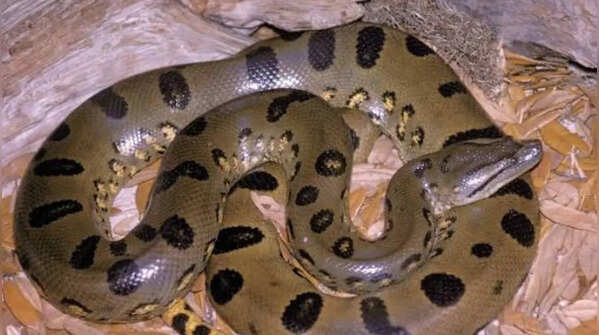
The high number of babies ensures that there is an increased chance of survival of this particular species. Many babies are lost in the wild since some of them are prey to other animals while others die due to a lack of food in the wild.
Living in a South American swamp is risky, as natural conditions such as floods pose dangers, and food resources are limited. Thus, nature ensures many babies survive through the large numbers these females reproduce.
There are various interesting facts concerning the process of reproduction in anacondas since they are not like other reptiles when reproducing. For instance, anacondas give birth in live births as well as have very large litters. Additionally, the female anacondas are much larger compared to the males.
Featured In etimes

