
- News
- etimes
- animals-pets
- Meet Calmaria Incredibilis: The two-headed snake from China that fooled scientists for years until DNA proved it!
Meet Calmaria Incredibilis: The two-headed snake from China that fooled scientists for years until DNA proved it!
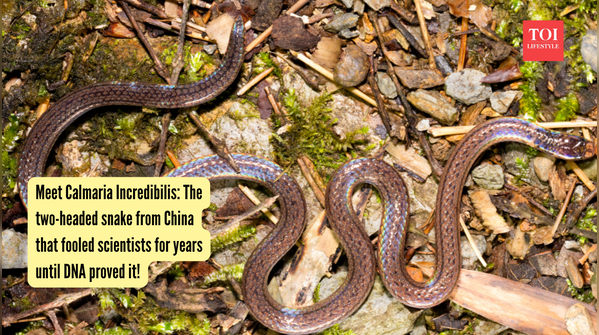
Meet Calmaria Incredibilis: The two-headed snake from China that fooled scientists for years until DNA proved it!
Snakes are interesting and scary creatures. While they have a revered image in various cultures across the world, and are regarded as deities in mythological texts, spotting one of these slitherers sends chills down a person’s spine.
One of these snake breeds discovered in China seems to have stepped out of a myth.
A ‘two-headed snake’!
While this type of slitherer has been a part of several legends, how much of it is actually true? Let’s dig in to find out.
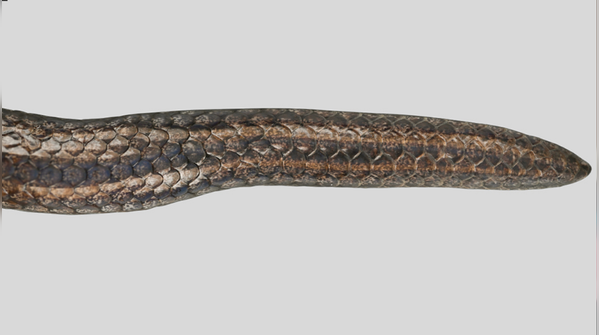
Photos via study: An unexpected discovery of hidden diversity: a new species of the genus Calamaria H. Boie in F. Boie, 1827 (Squamata, Calamariidae) from Guangxi, China
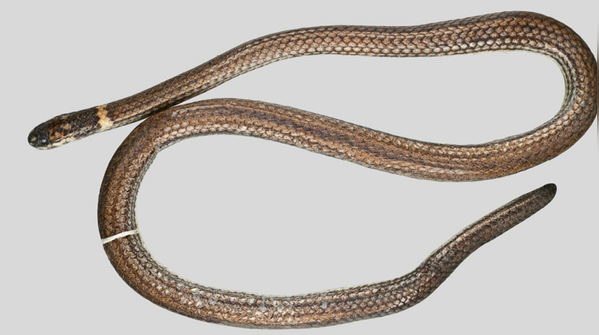
Meet the ‘two-headed snake’ from China
According to a study published in Zoosystematics and Evolution, researchers from southern China described a brand-new snake species that locals call the “two-headed snake” because its blunt tail looks almost exactly like its own head!
This small, underground reed snake was officially named Calamaria incredibilis, which is the Latin word for “unbelievable”, to represent how shocking it was to find such a genetically different creature living so close to known relatives
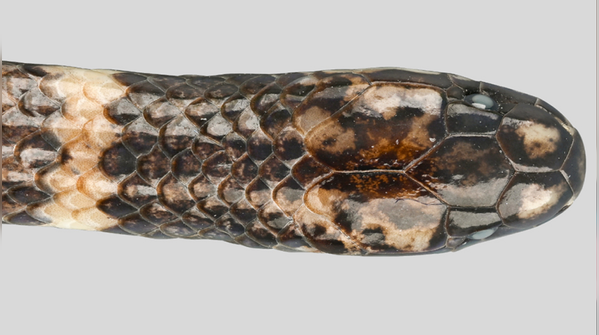
This new snake looks two-headed because its tail looks like its own head
Calamaria incredibilis is a tiny reed snake, only about 8 inches long, with a blunt, stubby tail that resembles its own head in shape and colour. This tricks predators into attacking the non-vital tail instead of the head. Most snakes have long, tapering tails, but this species’ tail is unusually short, which makes it look almost symmetrical.
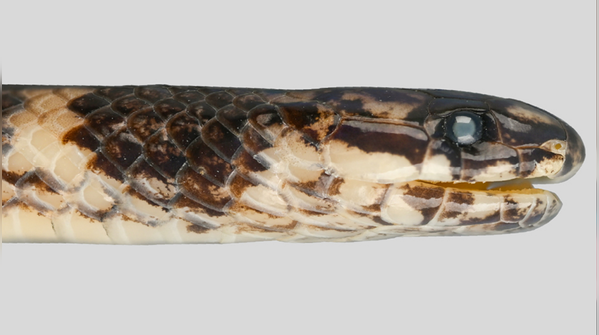
So, what is this new species
At first, researchers thought the snake was a known species called Calamaria pavimentata, because reed snakes look very similar on the outside. But, closer examination of scale counts, body proportions, and colour patterns revealed differences. The team then used DNA analysis, which showed the snake differed by more than 12% from its nearest relatives.
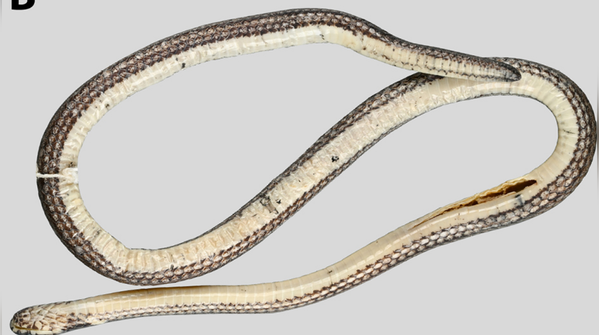
Only two specimens were found
So far, only two adult male specimens of Calamaria incredibilis have been collected, both found on roads during daytime surveys. The first was found in Ningming County, near the Vietnam border, at an elevation of 3,478 feet. The second appeared more than 311 miles away in Guilin, inside a national nature reserve, at 2,493 feet.
What does its name mean
The species name incredibilis comes from Latin and means “unbelievable” or “incredible.” Researchers chose this name for two reasons: first, because finding such a genetically unique species so close to its relatives was shocking, and second, because it reveals the unexpectedly high level of hidden diversity within the Calamaria group.
Featured In etimes

