
Indian woman in UK shares 11 everyday ‘comforts’ Indians take for granted: ‘You only realise after moving abroad’

Indian woman in UK shares 11 everyday ‘comforts’ Indians take for granted: ‘You only realise after moving abroad’
If you’ve lived in an Indian city, stuff like instant food delivery, affordable help at home, fast repairs, or last-minute doctor visits probably just feels normal. You barely even think about it. But if you’ve moved abroad, especially to places like the UK, you may be surprised at just how luxurious these “normal” things suddenly feel.
Vidhi Lilha, who lives in the UK, made a list of 11 everyday things that she says Indians totally take for granted until they’re gone. Her Instagram video took off, and now people everywhere are talking about convenience, affordability, daily life, and the quiet perks of growing up in India.
Vidhi, who goes by the username “miss__vidhu,” sums it up aptly: “Things that feel basic in India suddenly become premium in the UK.”
Let’s break down what she really means by the “premium comforts”:

Doorstep everything
In Indian cities, “doorstep everything” is real. Food, groceries, laundry, medicines, returns — they all come to you. Need a home service? Delivered. In the UK, a lot of stuff needs to be picked up, or you have to book a time slot. And people notice, because in India, grocery apps promising 10-minute deliveries are just everyday life now.

Household help
This has been quite a familiar “scene” at the middle-class Indian homes: they often have maids, cooks, cleaners, and drivers. These folks are affordable and available. Meanwhile, in the UK, hiring regular help is expensive and usually something only wealthy people do.
Repair culture
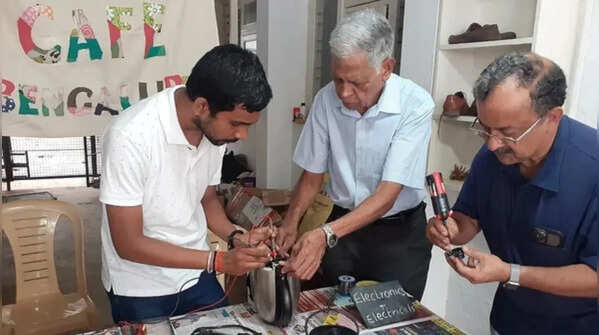
Everyone in India knows a guy who can fix anything: from shoes, phones, fridges, to clothes, furniture, and that too, often cheap and nearby. On the other hand, in the UK, repairs are pricey or not worth the hassle, so people end up replacing things instead.

Last-minute living
Here’s another crucial thing most Indians do not realise until they move abroad: India runs on flexible timing. You can book things at the last minute, shift plans, squeeze in emergencies, or call in a favor. The UK expects structure, appointments, and advance notice for nearly everything.

Customer service differences
When it comes to customer service, Indian customer service can be pretty personal. People call, adapt, problem-solve, and stretch the rules if they can. However, in the UK, that’s a distant dream — you usually get procedures and policies that are less bending, more systematic.
Food: accessible and late
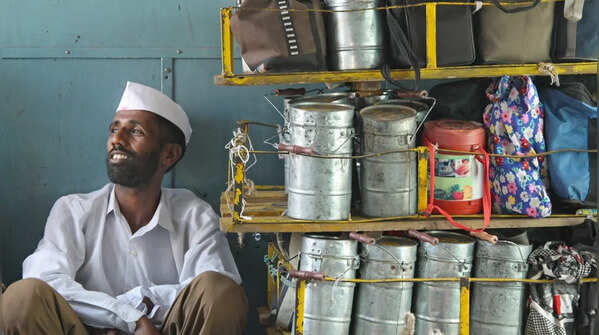
Eating out in India is affordable. Food’s everywhere, comes in every possible cuisine, and delivery stays open late. In the UK, it’s pricier, restaurants close early, and takeout variety can feel limited.

Daily workers
Need a plumber or a mover in India? Or an electrician to fix something quickly? Forget apps, local phone numbers, or just asking around usually gets someone there fast. In the UK, expect to book ahead, schedule an appointment, go through all the hassle, and even after that, prepare to pay more.

Transport on demand
India’s transit is unpredictable but always available. Taxis, autos, and rickshaws work around the clock. There’s no rigid time frame for the availability of transport. In the UK? Public transit is organized, sure, but rides cost more and aren’t as easily available, especially late.

Getting medicine easily
Now, this one’s an important comparison. Pharmacies are everywhere in India, and for common folks, it’s not hard to get what they need fast — especially in times of emergency. Now, the UK’s healthcare system is streamlined and structured, but for anything smaller than an emergency, you might have to wait a while.
Delivery speed
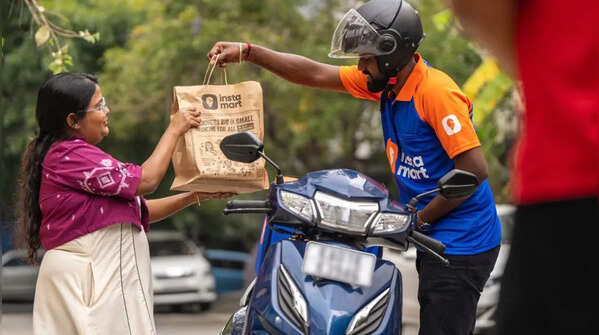
If you’ve gotten used to same-day or next-day delivery, or even faster, while in India, British timelines can feel slow. Need a bottle of cold drink and some snacks for the evening’s house party? In India, you’ll get it within half an hour or so. In the UK? Next-day delivery can be speedy in the UK, but even that’s not guaranteed.

Missed courier
Finally, it’s the courier flexibility that we generally don’t take note of, because we, in India, are so habituated with it. Miss a package here? The delivery guy will probably call you, wait, or reschedule the delivery. In the UK, miss the doorbell and your parcel’s gone. It’s a little thing, but for many, it highlights the difference between rigid systems and the flexible, human approach back home.
Featured In etimes

