Trending
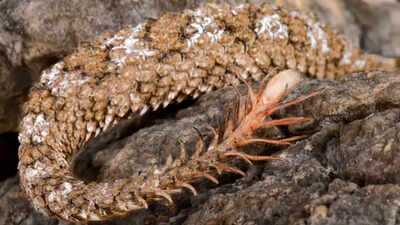
Spider-tailed horned viper: The incredible Iranian snake that tricks birds with a moving spider tail
A unique snake in Iran, the spider-tailed horned viper, has a tail that mimics a spider. This adaptation helps it lure birds and other prey. Scientists discovered this remarkable hunting strategy. The viper's survival is a concern, and it is now protected. This snake is a testament to nature's ingenuity.
IPL Auction 2026
How the spider-tailed horned viper lures and captures its prey
Discovery and evolutionary mastery of the spider-tailed horned viper
Conservation status and the importance of protecting the spider-tailed horned viper
End of Article
Follow Us On Social Media
Tired of too many ads?go ad free now
lifestyle videos
Featured In Lifestyle

Tired of too many ads?go ad free now



Hot on the Web
Nikola TeslaCharles DickenShilpa ShettyCrows IntelligenceCelina JaitlyAnkita LokhandeMorgan FreemanBorder 2 TeaserLugubrious WordKis Kisko Pyaar Karoon 2 CollectionPrachi KowliCaregivers AnimalsLiver DamageIndigo FlightsDhurandhar Movie CollectionThe Devil CollectionThe Devil Movie ReviewEk Deewane Ki Deewaniyat OTTAkhanda 2 Full Movie CollectionWorld Unhappiest CountriesHeart Health ExercisesRashmi MannTere Ishk Mein CollectionDhurandhar Movie ReviewKidney Damage SupplementsWorld English Speaking Countries 2025Akhanda 2 Movie ReviewRanveer SinghSylvester StalloneTere Ishk Mein Movie ReviewMagnesium Deficiency SymptomsRice Bran Vs Sunflower OilWinter Solstice 2025Horn Ok PleaseElon Musk Net WorthMark Zuckerberg LessonsShimla TravelsAbhishek BachchanMagnesium Deficiency SymptomsOptical illusionOzempic
Trending Topics
Latest MoviesBollywood MoviesHollywood MoviesTamil Movies 2025Telugu Movies 2025Malayalam Movies 2025Kannada Movies 2025Marathi Movies 2025Bengali Movies 2025Top Rated Movies 2025Best Hindi MoviesBest English MoviesBest Telugu MoviesBest Tamil MoviesBest Malayalam MoviesBest Kannada MoviesBest Bengali MoviesUpcoming Hindi MoviesBest Movies Of All TimeBest Hindi Movies of All TimeLatest English MoviesLatest Malayalam MoviesEnglish TV NewsTamil TV NewsTelugu TV NewsMalayalam TV NewsKannada TV NewsMovie ReviewsBhojpuri Cinema NewsGujarati Cinema News
Popular Categories
Viral NewsK Pop NewsWeb Series NewsAnime NewsUpcoming English MoviesUpcoming Tamil MoviesUpcoming Telugu MoviesUpcoming Malayalam MoviesUpcoming Kannada MoviesFashion TipsTravel NewsEntertainment NewsBollywood NewsTollywood NewsKollywood NewsMollywood NewsFood NewsLatest Hindi MoviesLatest Tamil MoviesParenting TipsHome RemediesWeight LossBeauty TipsParenting TipsHindi VideosHindi Video SongsBhojpuri Music VideosLatest Telugu MoviesBhojpuri Music VideoHindi TV News
Latest News
Russia hit with fresh sanctions! European Union adds firms tied to Moscow’s shadow fleet to list; bans oil traders with connectionsMeet the sky sleepers: Birds who sleep while flyingAries Women Horoscope Today (December 16, 2025): Choose the hard truth, over fake comfortQatar announces 2025 National Day parade timingsU-19 Asia Cup: Abhigyan Kundu's historic double ton powers India to 315-run rout of MalaysiaIsro invites academia to partner on future missions with RESPOND-2025When Taarak Mehta Ka Ooltah Chashmah's Sharad Sankla aka Abdul spoke about his role; 'Meri audience mujhe Musalman bhai he samajhte hain aur apnapan dete hain'Academicians take part in international conference at IIT-PatnaRecord low! Rupee falls by 23 paise against US dollar; reaches 91.01Gayatri Joshi, Malini Sharma; Actors who disappeared after one hit filmPrashant Veer: 20-year-old left-armer snapped up by CSK for Rs 14.20 crore at IPL AuctionIPL Auction: 'Ghari aala' - Quinton de Kock back at Mumbai Indians for Rs 1 croreJake Browning’s fiancée Stephanie Niles channels a Ski Bunny look in a monochrome houndstooth-patterned jumpsuitAamir Khan announces ‘Sitaaron Ke Sitaare’; parents take center stage in the documentaryNetflix CEOs to employees: This Google company gives us confidence that we will be able to get American government approval for Warner Brothers dealVikramaditya Motwane says shows like Shah Rukh Khan-backed Aryan Khan's 'The Ba***ds of Bollywood' 'prove audiences are ready'Wordle today #1641: Hints and answers for today’s Wordle (December 16, 2025)Ranveer Singh’s cryptic Instagram note has an R Madhavan and ‘Dhurandhar’ connection?