
6 foods a Harvard doc eats daily to prevent colon cancer and fatty liver

6 foods a Harvard-trained doctor eats daily to prevent colon cancer and fatty liver
Most gut diseases are preventable, says Dr Saurabh Sethi, a California-based gastroenterologist trained at Harvard and Stanford. In his practice, he has performed thousands of colonoscopies and diagnosed Crohn’s, colitis, fatty liver, and colon cancer. “And after all of it, I keep coming back to the same truth: most gut disease is preventable. And most prevention starts at the grocery store,” the doctor said in a recent newsletter. Here are six foods the doctor eats every single day to keep disease at bay.

Chia seeds
Chia seeds are packed with fibre. Two tablespoons of chia seeds will give you 10 grams of fibre. This is more than most people get in an entire day through their diet. When you soak chia seeds, they form a gel in your gut, which slows down digestion. It feeds the beneficial bacteria in your gut and also reduces blood sugar spikes. “I add them to water overnight. Takes 30 seconds. One of the highest-leverage habits I know,” the doctor said.
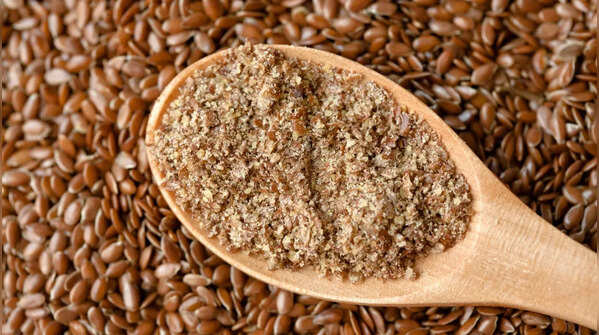
Flaxseeds
Another underrated superfood in your kitchen, flaxseeds are good for your gut. Why? “Ground flaxseeds contain lignans – compounds your gut bacteria convert into powerful anti-inflammatory molecules,” the doctor explained. He also emphasised that several studies suggest taking one tablespoon of flaxseeds daily has been linked to a reduced risk of colon cancer. “Always buy ground, or grind them yourself. Whole flax passes right through you,” he said.
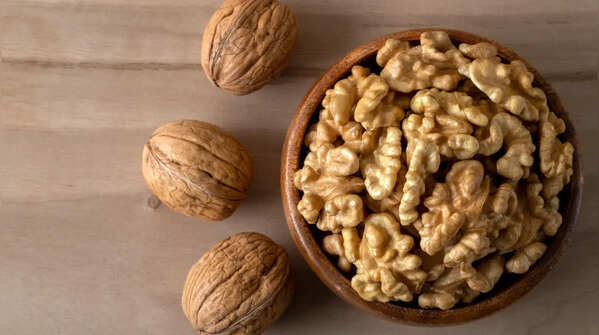
Walnuts
Walnuts are not just best for your brain but also for your gut. Dr Sethi states that walnuts are the only nuts with meaningful omega-3 content. “A 2023 study showed daily walnut consumption measurably increased microbiome diversity within eight weeks. 30 g is the studied dose – a small handful. I keep a jar on my desk,” the doctor added.
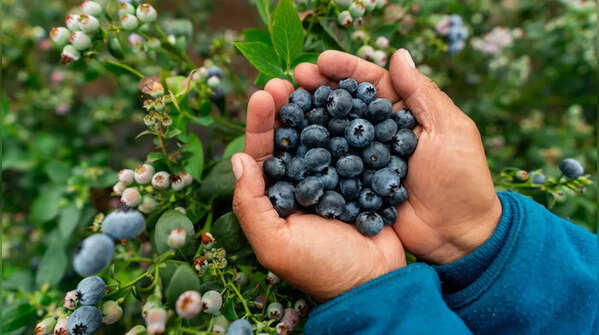
Blueberries
The best fruit for your gut. Berries, especially blueberries, are great. They have the highest antioxidant density of any common fruit. The gastroenterologist explained how this humble fruit benefits the gut: “The polyphenols in blueberries selectively feed Bifidobacterium – one of the most protective bacterial strains in your gut. Inflammation markers measurably drop within six weeks of daily use. Frozen works just as well as fresh.”

Fermented dairy
Your gut loves fermented foods, especially dairy. Think yoghurt, kefir, lassi. If you want a plant-based option, consider coconut yoghurt. According to Dr Sethi, fermented dairy products have more live bacterial strains than any probiotic supplement on the market. “Look for ‘live active cultures’ on the label. One serving daily is enough to measurably shift your microbiome within two weeks,” he said. The doctor also revealed that incorporating fermented dairy products helped his patients. “This single habit has changed more of my patients’ digestion than any medication I’ve prescribed.”

Eggs or tofu
Add eggs or tofu to your regular diet. According to Dr Sethi, both are unfairly maligned and deserve a place on your plate. Why? Because they contain choline, which is essential for liver health. Eggs are a source of complete protein that directly supports gut lining repair. “The cardiovascular research on moderate egg consumption has been largely reassuring,” the doctor said. People who follow a plant-based diet can eat tofu instead. “High protein, isoflavones that support a healthy microbiome, and meaningful anti-inflammatory properties. Pick whichever works for your body. Both win,” the doctor said.

The bottom line
While these six foods are excellent for your gut, you do not necessarily have to eat all of them every day. “Start with one. Add it to breakfast for two weeks. Notice how your digestion changes. Your gut microbiome responds to dietary shifts within 72 hours. The feedback loop is faster than most people realise,” Dr Sethi said.
Featured In etimes

