
Is Botox safe anymore? UKHSA issues warning after suspected botulism cases: 5 things to keep in mind while getting beauty jabs
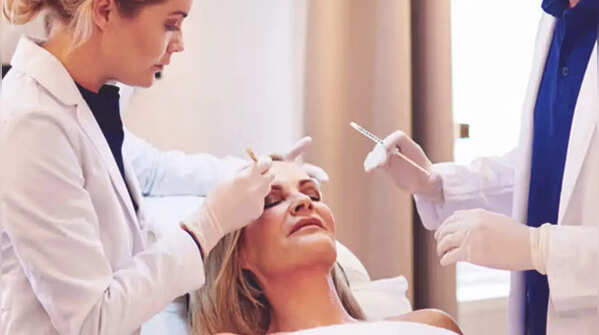
Botox safety: 5 things to keep in mind while getting beauty jabs
Is Botox Safe in the UK After Suspected Botulism Cases? Here’s What You Need to Know Before Getting Cosmetic Injections
There’s a growing health scare in the UK right now, and it’s got everything to do with cosmetic “beauty jabs.” As per the BBC, the UK Health Security Agency (UKHSA) has just flagged several suspected botulism cases tied to Botox-like treatments, mainly in Leeds, reminding us all that the price of “a little freshening up” can be way steeper than anyone bargained for. If you’ve had Botox or similar injections recently and start having trouble swallowing, find your words slurring, or notice any breathing issues, get medical help right away.
This warning isn’t about old-fashioned food poisoning or a bad oyster. It’s "iatrogenic botulism", which is botulism caused by medical or cosmetic treatments, in this case (the toxin is normally used in incredibly tiny, controlled doses for beauty treatments, but that control can break down if the product is unlicensed or fake).
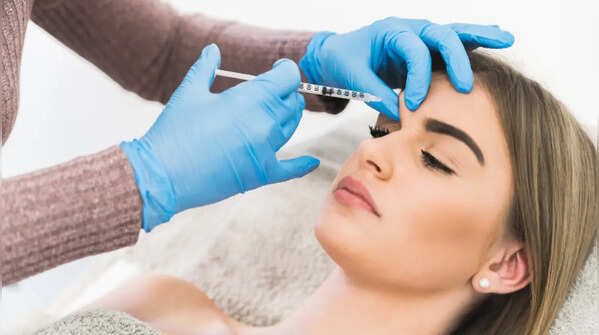
What actually happened?
Back in summer 2025, doctors in Leeds and northern England started seeing more people with botulism than usual — at least 38 cases were tied to dodgy anti-wrinkle injections. Durham’s hospital alone saw 5 people in one night, and Peterborough saw a spike right after. Both the NHS and local authorities traced these cases to unlicensed cosmetic practitioners, some working out of homes, not clinics, apparently using fake or illegally imported “Botox” products.
Now, in 2026, BBC reports, two more people with suspected botulism have been linked to cosmetic procedures in Leeds have come forward, according to the UK Health Security Agency (UKHSA). It was said last week that a small number of people had presented to NHS services around Leeds with signs of botulism following aesthetic treatments involving botulinum toxin.
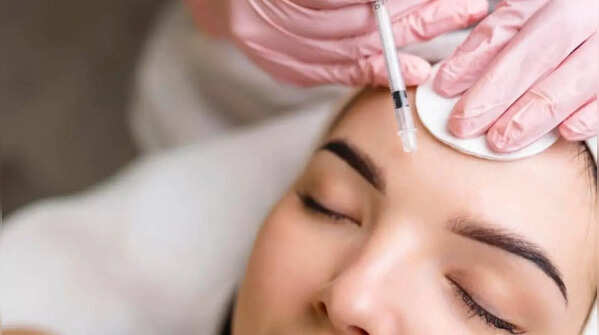
What’s a Botox treatment?
Botox involves injecting purified botulinum toxin into small facial muscles. The goal? Temporarily freeze those muscles, so fine lines and wrinkles fade (at least for a while). In skilled hands, it’s fairly safe. But with cheap deals popping up on Instagram, beauty salons offering lunchtime jabs, and unregulated practitioners joining the craze, the risks get real.
And here’s the worry: Botox is supposed to be a medical procedure. And the more people chase low prices or quick appointments, the wider the cracks get. Bad batches, knockoff products, no medical oversight — all these are the shortcuts that cause real harm.

What is botulism?
Normally, it’s a disease you get from eating contaminated food, caused by toxins made by Clostridium botulinum bacteria. In the world of aesthetics, it’s the same toxin, but used in precise medical doses. That precision matters. If the product is fake, dirty, accidentally too strong, or injected wrong, the effect doesn’t stay local. Instead, the toxin spreads through the body’s nerves, leading to symptoms like droopy eyelids, hard-to-control facial muscles, trouble speaking or swallowing, blurry vision, breathing trouble, and crushing fatigue. Symptoms don’t always hit straight away, but they might develop days or even weeks after the procedure. When it’s bad, patients might need to be hospitalized for breathing support.

UKHSA’s warning: What is it?
UKHSA flagged dozens of cases across England in recent months, including in Yorkshire and Humber, and Leeds seems to be the current hotspot. The UKHSA says investigations into the suspected cases are ongoing, and officials continue to work with healthcare providers and regulators to identify the source of the outbreak. Meanwhile, doctors are urging the public not to panic, but to stay informed and prioritise safety over convenience or cost.
Their message is straightforward: if you’re getting beauty jabs, be smart about who’s doing it and the products they’re using. Health experts are telling people not to panic, but to stay alert.
So, in case you‘re thinking about getting Botox, here are five quick tips to stay safe:
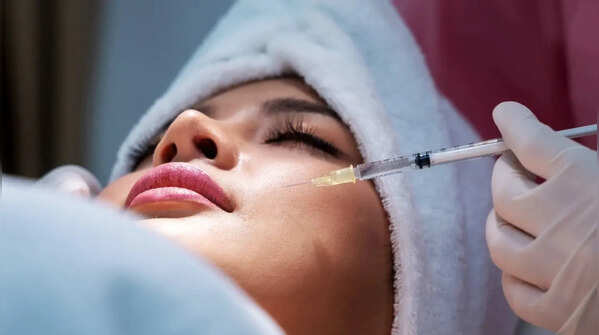
Quality comes first
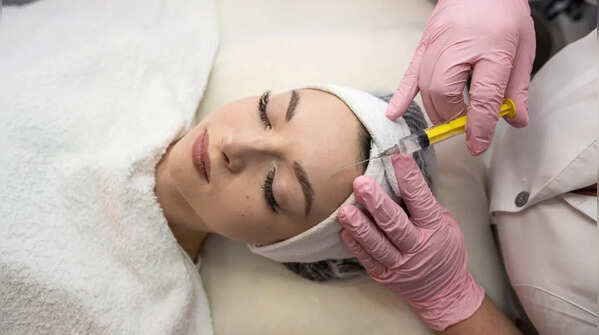
First and foremost, always verify the qualifications of the practitioner. Botox is not simply a beauty treatment; it is a prescription-only medicine in the UK. Ideally, the injections should be prescribed and administered by a trained medical professional such as a doctor, nurse prescriber, dentist, or pharmacist with aesthetic training. If proper guidelines aren’t followed, many complications may arise when procedures are carried out by unqualified individuals operating without proper oversight. Besides, if you cannot confirm the credentials of those administering the jab, consider it a big red flag.
Check the product being used
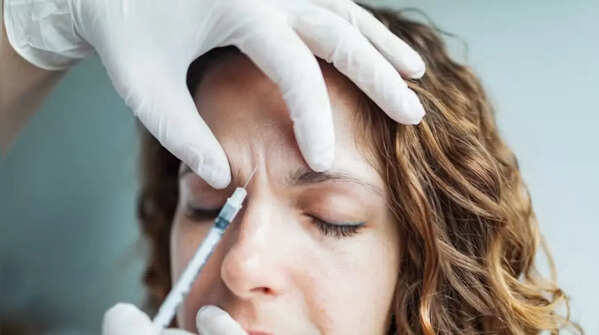
Second, always ask whether the product being used is licensed and approved. Ask for proof that the Botox being used is licensed for use in the UK. Make sure you see the box (with the real brand and expiry date). Fake or imported products can be full of the wrong stuff, the wrong dose, or just contaminated. Health authorities investigating the recent botulism cases believe some patients may have been exposed to unlicensed products. Counterfeit or illegally imported toxins may contain unsafe ingredients, incorrect dosages, or contaminated substances.
Don’t go the ‘cheap’ way
Third — and it may sound a tad bit snobbish on the surface — avoid deals that seem unusually cheap. If the price seems too good to be true, it probably is. Safe cosmetic injectables aren’t cheap because they’re meant to cover well-trained professionals, properly regulated medicine, hygienic conditions, and follow-up care. The “bargain” sessions advertised at hotel rooms or pop-up “Botox parties” put you at real risk.
Watch out for any unusual symptoms
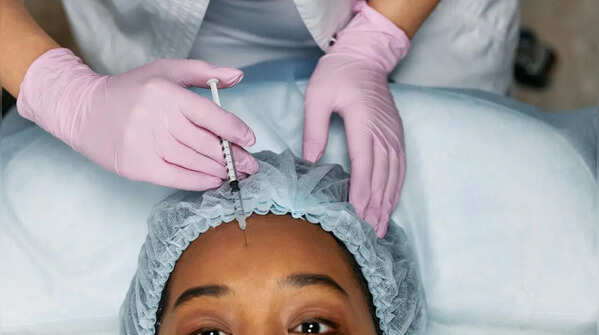
Fourth, watch out for any “not-so-common” symptoms after the treatment that may indicate complications and act quickly. One reason botulism can become dangerous is that patients may dismiss early warning signs as temporary side effects of the treatment itself. Persistent muscle weakness, breathing issues, swallowing difficulty, or slurred speech after injections — all these should never be ignored. If you feel weak afterwards, have trouble breathing, speaking, or swallowing, get checked fast.
Choose your clinic carefully and vet your practitioner
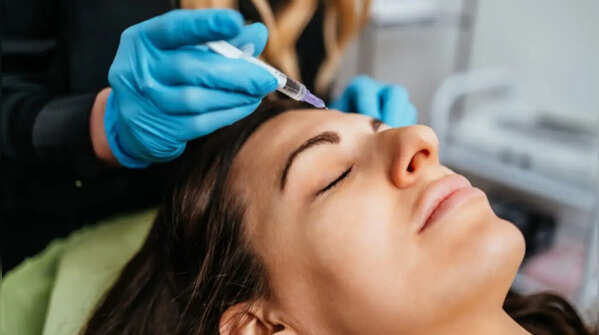
Finally, research the clinic carefully instead of blindly relying on social media popularity. Don’t use TikTok likes or Instagram followers to pick. Look for real-world reviews and proper medical regulation, and make sure you talk through risks and aftercare with the person who’ll actually be injecting you. Moreover, as Botox is a prescription drug in the UK, only trained professionals, like doctors, dentists, nurse prescribers, or pharmacists with proper aesthetics qualifications, should be injecting it.
Featured In etimes

