
Figs are more powerful than you think: Here’s what happens when you eat them regularly and how to eat it properly
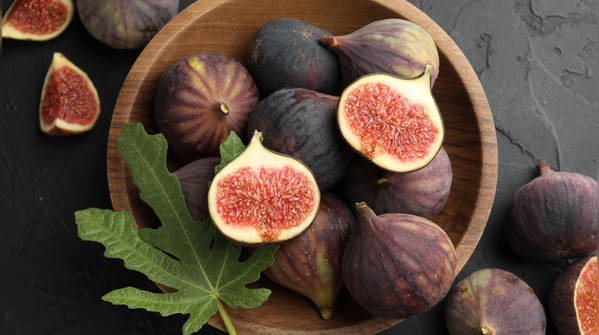
Why Figs deserve a place daily
Figs rarely get the attention given to berries, avocados, or almonds. Yet this humble fruit has been part of traditional diets for centuries across India, the Mediterranean, and the Middle East. Whether eaten fresh or dried, figs carry a naturally rich sweetness along with fibre, minerals, and plant compounds that support overall health.
The fruit comes from the Common Fig tree and has long been associated with nourishment and healing.
What makes figs interesting is that they do not rely on one “super nutrient.” Instead, they work quietly through a combination of fibre, antioxidants, calcium, potassium, and natural sugars that provide sustained energy without feeling too heavy.

Figs may help digestion better than many packaged “gut health” foods
One of the biggest benefits of figs lies in their fibre content. Both fresh and dried figs contain soluble fibre that helps soften stools and support smoother bowel movements. This is why soaked figs are often recommended in traditional households for constipation.

What does research say?
According to the National Library of Medicine, figs contain compounds and fibre that may support digestive health and gut function.
Unlike many processed fibre supplements, figs also contain prebiotic compounds. These feed the healthy bacteria already present in the gut. A healthier gut environment may influence digestion, immunity, and even mood regulation over time.
But portion size matters. Eating too many dried figs at once can cause bloating or loose motions because of their concentrated fibre and natural sugar content. Two to four soaked figs are generally considered enough for most healthy adults.
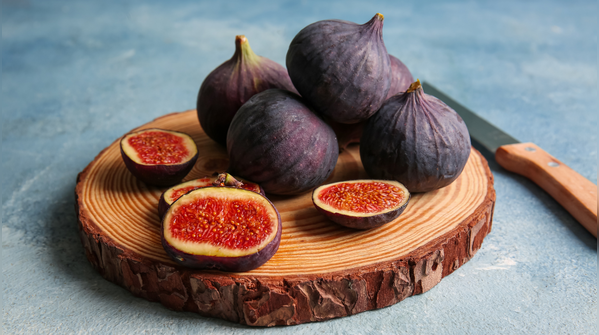
What are the nutrients present in Fig?
The calcium and potassium combination makes figs surprisingly heart-friendly
Figs are not usually discussed in conversations around heart health, but they deserve more attention here. Dried figs contain potassium, a mineral that helps regulate blood pressure by balancing sodium levels in the body.
At the same time, figs also offer small amounts of magnesium and calcium. This combination supports blood vessel function and muscle activity, including the heart muscle itself.
Research published by the NIH highlights figs as a source of dietary fibre, potassium, calcium, and antioxidants.
The antioxidants in figs may also help reduce oxidative stress. This matters because long-term oxidative stress has been linked with inflammation, ageing, and heart disease risk.
Fresh figs are especially useful for people trying to satisfy sweet cravings naturally without immediately reaching for packaged desserts.

Eating figs the right way can make a difference
Figs are healthy, but how they are eaten matters more than many people realise.
Soaked dried figs
This is one of the simplest and most effective ways to consume them. Soaking dried figs overnight softens the fibre, makes digestion easier, and improves texture. They are often eaten in the morning on an empty stomach or alongside breakfast.
Fresh figs
Fresh figs contain more water and slightly fewer calories than dried ones. They work well as an evening snack, in salads, or paired with nuts and seeds.
With protein or healthy fat
Pairing figs with almonds, walnuts, or plain yoghurt slows down sugar absorption and keeps energy levels steadier.
Avoid excess intake
Dried figs are naturally dense in sugar because the water content is removed. Eating large quantities regularly may not suit people managing diabetes or blood sugar concerns.
Wash carefully
Fresh figs have delicate skin that traps dust easily. Washing them gently before eating is important.
Nutrition experts also advise avoiding packaged “fig bars” loaded with added sugar. The real fruit offers far more value than the processed version.

Figs are also linked with bone health and healthy ageing
Many people are surprised to learn that figs contain calcium. While they are not a replacement for dairy or other calcium-rich foods, they can contribute meaningfully to daily intake, especially for older adults.
Bone health becomes a concern much earlier than most people expect, particularly in women after their 30s and 40s. The calcium-potassium-magnesium mix in figs may help support stronger bones over time when combined with exercise and a balanced diet.

What should people know?
There is also growing scientific interest in the polyphenols found in figs. Polyphenols are natural plant compounds that may help protect cells from damage caused by ageing and environmental stress.
The beauty of figs lies in their simplicity. They do not promise overnight transformation. Instead, they fit quietly into daily life and support the body steadily over time.
Featured In etimes

