
PCOS-related inflammation: 7 yoga poses that may support hormonal balance and metabolic health
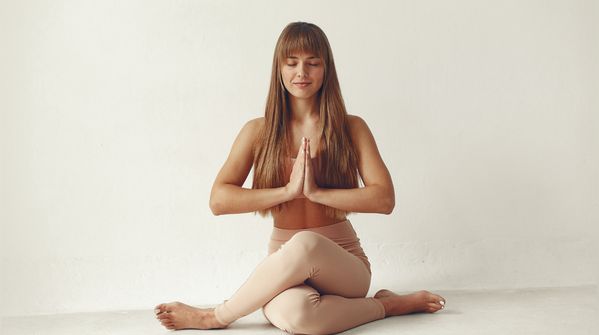
PCOS yoga for hormone health
Polycystic ovary syndrome, or PCOS, affects an estimated 10-13% of women of reproductive age, according to the World Health Organization. Many remain undiagnosed. Beyond irregular periods and acne, a deeper issue often drives symptoms: chronic low-grade inflammation and insulin resistance.
Inflammation may not feel dramatic. It builds quietly. Over time, it can disturb ovulation, increase androgen levels, and slow metabolism. So the question becomes: can something as simple as yoga help calm this internal fire? Research suggests it can support, though not replace, medical care.
Can yoga really help?
A review published in the National Library of Medicine found that yoga improved insulin resistance, lipid levels, and stress markers in women with PCOS.
Yoga works on multiple fronts. It lowers cortisol, improves circulation to pelvic organs, and enhances insulin sensitivity. It also strengthens large muscle groups, which helps the body use glucose more efficiently.
Here are seven yoga poses that may support hormonal balance and metabolic health in PCOS.
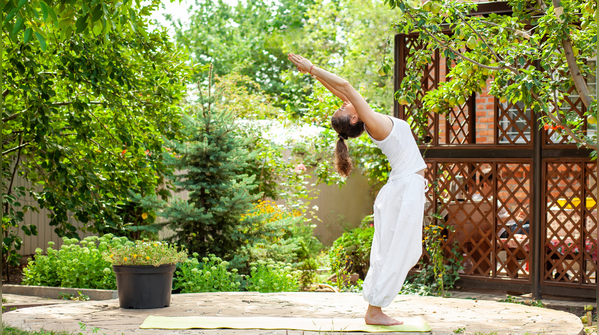
Surya Namaskar
Surya Namaskar is not one pose. It is a flowing sequence of 12 postures that gently raise the heart rate. This matters because insulin resistance is central to many PCOS cases.
When muscles contract repeatedly, they draw glucose from the bloodstream. This improves insulin sensitivity over time. A small intervention trial published on the Government of India’s research portal reported improved fasting blood glucose after regular yoga practice in women with PCOS.
The rhythm of breath with movement also lowers stress hormones. High cortisol can worsen abdominal fat storage. Reduced stress means fewer inflammatory signals.
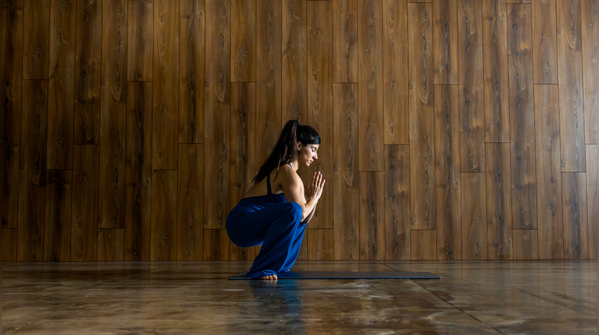
Malasana
Malasana is a deep squat that opens the hips and stimulates pelvic circulation. PCOS involves poor ovarian blood flow and metabolic sluggishness.
This pose engages the glutes and thighs, two large muscle groups that help regulate glucose use. It also supports digestion. Slow digestion can worsen bloating, which many with PCOS report.
Holding the posture for 30-60 seconds with steady breathing may gently massage abdominal organs. Improved circulation can support ovarian function, though it does not directly “cure” cysts. The benefit lies in systemic metabolic support.
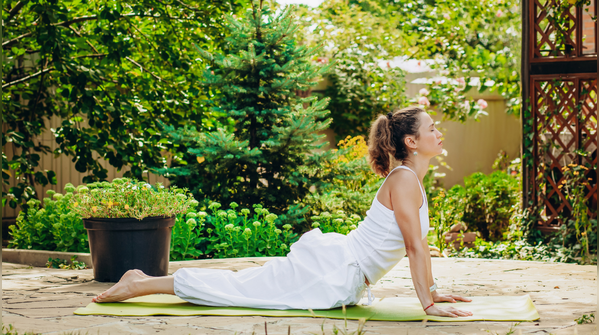
Bhujangasana
Cobra pose stretches the abdomen and strengthens the lower back. It stimulates the adrenal glands, which regulate stress hormones.
Chronic stress increases inflammatory cytokines. In PCOS, this can worsen hormonal imbalance.
A calmer nervous system means better hormonal signaling between the brain and ovaries. That brain-ovary link is often disrupted in PCOS.
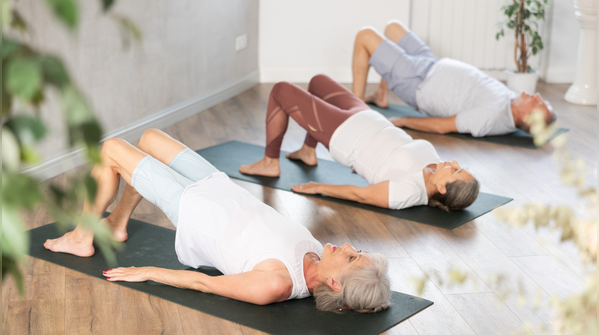
Setu Bandhasana
Bridge pose activates the glutes and hamstrings while gently compressing the thyroid region. Thyroid function and PCOS often intersect, especially in women with subclinical hypothyroidism.
The lift of the pelvis improves blood flow to reproductive organs. At the same time, engaging the posterior chain supports metabolic rate.
Regular practice may improve mood and reduce anxiety. Emotional health influences hormonal balance more than many realize.
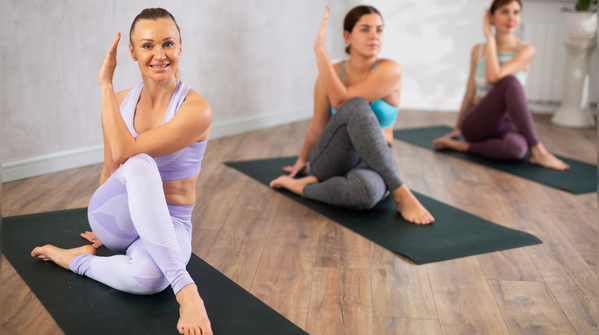
Ardha Matsyendrasana
This gentle twist compresses and releases abdominal organs. Twisting improves circulation and may enhance digestive efficiency.
Better digestion supports stable blood sugar levels. Stable blood sugar reduces insulin spikes. Fewer insulin spikes can lower excess androgen production, a hallmark of PCOS.
Breathing slowly in this pose activates the parasympathetic nervous system. That shift reduces inflammatory load.
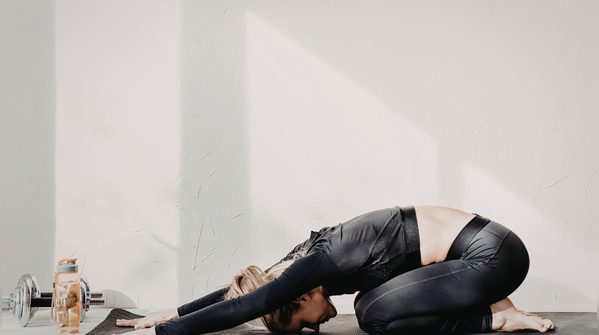
Balasana
Child’s Pose looks simple. Its effect runs deep. It slows the heart rate and calms the mind.
Chronic stress worsens PCOS symptoms by increasing cortisol and insulin resistance. Restorative poses like Balasana help interrupt that cycle.
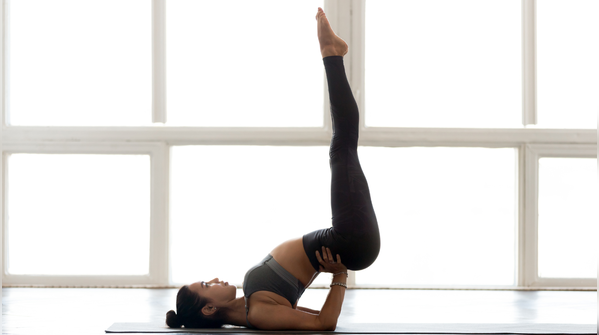
Viparita Karani
This restorative inversion improves venous return and calms the nervous system. It reduces fatigue, a common complaint in PCOS.
Improved circulation may help reduce pelvic congestion. The pose also lowers stress hormone output.
Spending 5-10 minutes here at night may support sleep quality. Good sleep improves insulin sensitivity and reduces inflammation. Poor sleep does the opposite.
Featured In etimes

