
5 skin supplements you should not take without asking the doctor

Never take these skin supplements without asking the doctor even if ads say They are “Magic”
In India, skin supplements have quietly become part of everyday life. Someone recommends a capsule for glow. A chemist suggests something for acne. Instagram reels swear by powders and pills that promise “clear skin in 30 days.” And before you know it, you’re taking three different supplements without really knowing why.
The problem? Skin supplements aren’t harmless, even if they’re sold without a prescription. Many of them affect hormones, liver function, digestion, or even blood test results. Dermatologists see the fallout all the time - sudden acne, hair fall, gut issues, fatigue and most people don’t realise their “skin vitamin” is the reason.
Here are five skin supplements you should not start on your own, especially common in the Indian context.
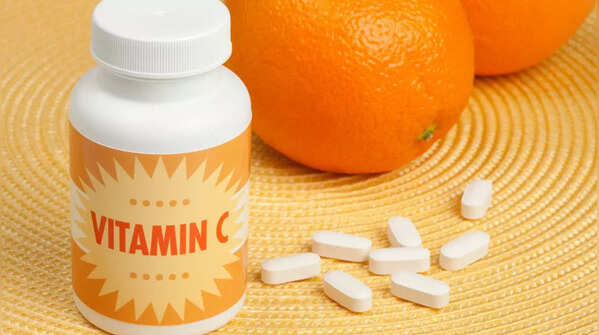
Vitamin C supplements
Vitamin A is powerful. That’s the first thing to remember.
It’s often prescribed by dermatologists for severe acne or certain skin conditions but always in controlled doses, for a fixed time. The trouble starts when people take vitamin A capsules on their own because they’ve heard it’s “good for skin.”
In India, many supplements contain very high doses of vitamin A, sometimes close to the maximum safe limit. Taken regularly, this can lead to vitamin A toxicity.
Doctors report side effects like:
Sudden hair fall
Dry, cracked lips and peeling skin
Headaches and dizziness
Liver stress
For women, this is even more serious. Excess vitamin A is unsafe during pregnancy and can cause birth defects. That’s why doctors strictly warn against self-medicating retinol capsules.
Also, if you’re already using acne creams or serums with retinoids, adding oral vitamin A without guidance is a big mistake.

Biotin supplements
Biotin is probably the most overused supplement in India right now. It’s sold as the answer to hair fall, dull skin, weak nails, everything.
But here’s the reality: true biotin deficiency is rare.
Most Indian diets already include biotin through foods like eggs, peanuts, almonds, seeds, dals, and even rice. Yet many supplements contain extremely high doses, far more than the body needs.
What doctors are seeing now:
Increased acne, especially on the jawline and cheeks
Oily skin flare-ups
Blood test results getting distorted
High-dose biotin can interfere with lab tests, including thyroid, heart, and hormone reports. That means someone could get a “normal” result even when something is actually wrong.
If your hair fall is due to stress, thyroid issues, iron deficiency, PCOS, or post-Covid recovery, biotin alone won’t fix it. In fact, it can delay proper diagnosis.
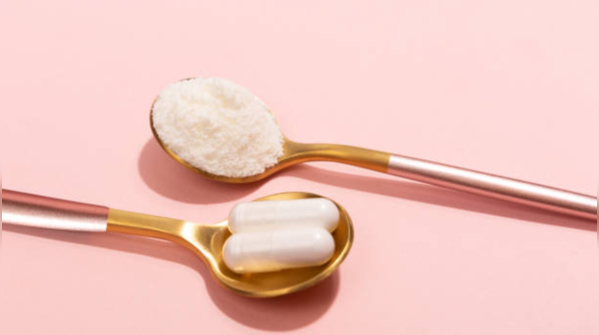
Collagen powders and pills
Collagen has become a daily ritual for many people - mixed into coffee, smoothies, or water first thing in the morning. It’s marketed as the secret to youthful skin and fewer wrinkles.
But collagen doesn’t work the way ads make it sound.
When you consume collagen, your body breaks it down into amino acids. It doesn’t automatically send it to your face or fix fine lines. Some studies suggest mild improvement in skin hydration, but the results vary widely.
In the Indian market, another issue exists, quality control.
Many collagen supplements:
Aren’t properly regulated
May contain heavy metals
Can be high in calcium (especially marine collagen)
Excess calcium can be a problem for people prone to kidney stones, which is already common in India due to dehydration and diet patterns.
If you already consume enough protein through dal, paneer, eggs, fish, or chicken, adding collagen blindly may do nothing for your skin and stress your kidneys instead.
Glutathione (Oral & Injectable)
Glutathione has become synonymous with “skin brightening” in India. Clinics, influencers, and even salons promote it aggressively.
Here’s what’s often not said out loud: oral glutathione has limited absorption, and injectable glutathione carries real risks if not prescribed properly.
Doctors have raised concerns about:
Liver and kidney strain
Electrolyte imbalance
Risk of infection from unsafe injections
Unknown long-term effects
In fact, Indian health authorities have cautioned against the cosmetic misuse of glutathione injections.
Skin pigmentation in Indians is usually linked to sun exposure, hormones, inflammation, or underlying deficiencies, not a lack of glutathione. No supplement can replace sunscreen, diet, and proper treatment.
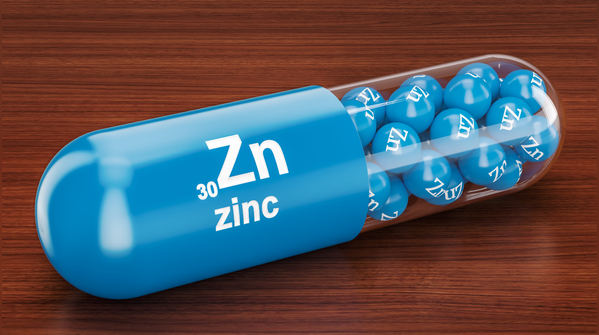
Zinc
Zinc plays a quiet but crucial role in immune strength, wound healing, and hormonal balance. Deficiency can manifest as stubborn acne, slow healing cuts, or even frequent colds.
According to Dr Manickam, vegetarian diets often lack adequate zinc, especially when meals are highly processed. Including zinc-rich foods like pumpkin seeds, sesame seeds, cashews, and chickpeas can make a big difference.
A simple handful of roasted pumpkin seeds daily can naturally replenish zinc levels over time.

Why skin supplements often make things worse
Skin is not separate from the rest of your body. It reflects:
Hormones
Digestion
Sleep
Stress
Nutrient balance
In India, people often:
Take multiple supplements together
Mix ayurvedic and allopathic pills
Follow influencer advice
Skip basic blood tests
This creates confusion inside the body. And the skin reacts first.
What Actually Works Better
Before starting any supplement, a basic check-up helps more than any pill:
Iron levels
Vitamin B12 and D
Thyroid
Hormonal profile (if needed)
Many skin issues improve once deficiencies are corrected properly - often with food, lifestyle changes, or short-term medication.
Good skin usually comes from boring things:
Regular meals
Enough protein
Sun protection
Sleep
Stress control
Not from five pills taken every morning.
This is what your skin needs
Supplements can support skin health, when used correctly. But taken blindly, they can quietly create bigger problems.
If your skin has been acting up despite “doing everything right,” the supplement you’re taking might be the reason.
Before adding anything new, pause. Ask why you need it. And when in doubt, ask a doctor.
Your skin doesn’t need trends.
It needs balance.
Featured In lifestyle

MORE FROM ETIMES
life & style