
Is your banana rotting too fast in summer? Know why is it happening and is your fruit safe for consumption

Understanding the science behind fast ripening of bananas
When it comes to summer fruits, bananas, mangoes, and melons are often loved by everyone. They not only taste good when chilled but also make for a soothing treat in the form of dessert, shakes, and smoothies. The easiest of all is the banana shake, which doesn't require much effort. All you need to do is peel and blend it along with milk and sweetener. But, this is also one of the most fragile and delicate summer fruits, which starts rotting faster in summer with brown spots and a strong smell. But do you know why it happens and how you can check if the bananas are safe for consumption or not? Scroll down to find out.
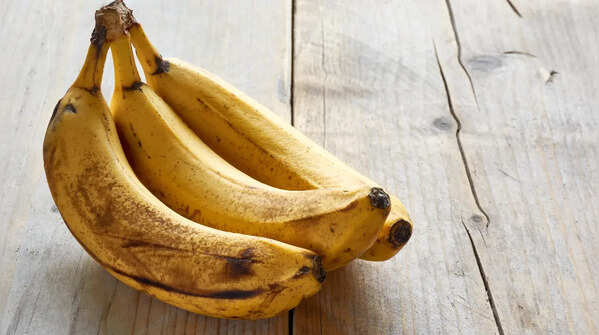
Why bananas ripen faster in heat
For the uninitiated, bananas are often categorized as climacteric fruits, which means they continue to ripen after being harvested. It has been proven that they release a plant hormone called Ethylene that speeds up the ripening process. When the temperature rises during summer months, this process accelerates significantly. The heat boosts ethylene production, which turns starches into sugar, making bananas sweeter, softer, and eventually overripe. Also, humidity in the weather encourages microbial growth, which contributes to faster spoilage, especially once the peel starts developing brown spots.
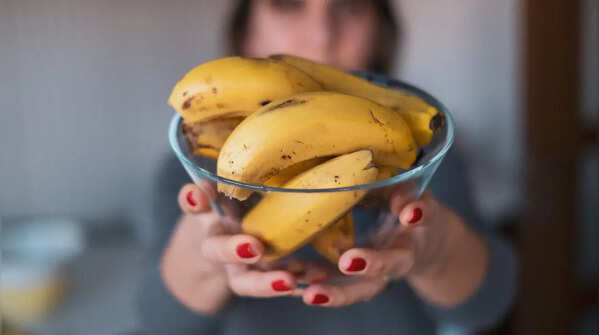
Why they turn brown so quickly
According to experts, bananas ripen or turn brown faster because of an enzyme reaction known as Oxidation. When the banana cells break down as they ripen, they react with oxygen present in the air, causing the peel and the pulp to darken faster. Experts warn that while it may look unappetizing, browning alone doesn’t always mean the fruit is unsafe.
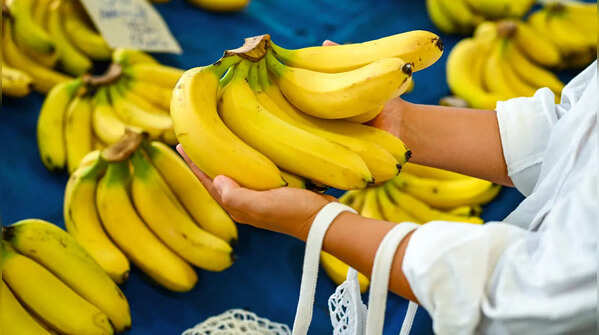
When is a banana still safe to eat?
A brown spot does not always mean that the banana is unsafe to eat. A brown or over-ripened banana can be easily used for cooking and baking and should be avoided when eating alone. However, you should avoid eating it if you notice:
-A strong fermented or sour smell
-Mold on the peel or inside
-A slimy or overly mushy texture

How to prevent faster ripening of bananas
According to Masterchef Pankaj Bhadouria, the best way to stop the ripening of bananas is to wrap the stem with cling wrap or aluminum foil. Make sure that the stem is evenly covered. By doing so, the stem will lose its connection with air and the ripening process will stop immediately, allowing your bananas to last longer during the summer months.
Images Courtesy: istock
Featured In Food

MORE FROM ETIMES
life & style