
Why homemade paneer turns hard and 5 smart tips to fix it at home
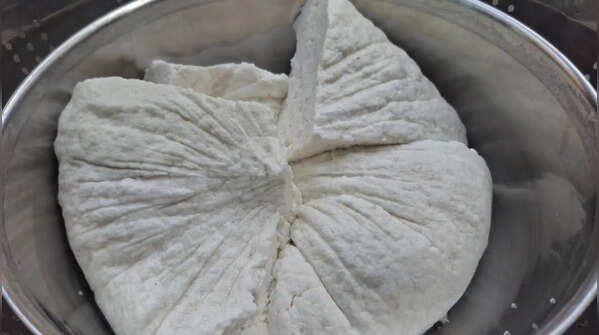
Importance of paneer and why FSSAI is paying extra attention to it
Paneer is a rich source of protein and when it comes to vegetarian diet, it is an integral partt of balanced meal. Sadly in last few years, this rich source of protein has suffered a lot of adulteration and using store-bought paneer has become a matter of serious concern. That is likely the reason the Food Safety and Standards Authority of India (FSSAI) recently announced that they will conduct pan-India surveillance. Under this, large-scale sample collection of products such as khoa, chenna, paneer, ghee, butter, curd, and ice cream will take place from organised and unorganised sectors in all districts countrywide. "The rationale behind choosing milk is due to its indispensable role in our food culture, either as a fresh fluid or as processed dairy products. Milk contains vital micronutrients and macronutrients. People of every age group include milk or milk products in their daily diet. Changing lifestyle patterns and increasing health consciousness are the key growth drivers for milk and high-value milk products in India," the food safety authority said. Coming back to paneer, the threat of adulteration has pushed many people to start practicing making paneer at home and the most common problem people mention is of homemade paneer turning hard. Today, we will decode the reason and also provide you with 5 smart tips to fix it at home.
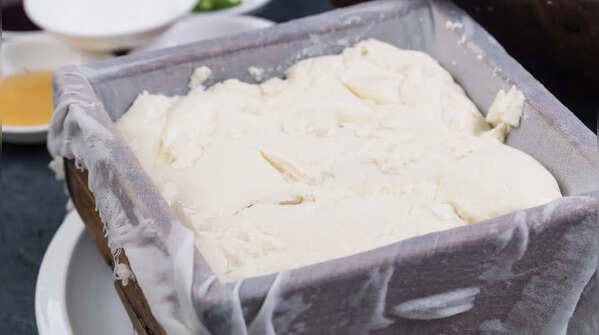
Why paneer turns hard
According to experts, paneer turns hard because of two reasons: over-pressing and over-heating. It is found that when the paneer is pressed too hard and for too long (read 1 hour or more) the moisture gets squeezed out completely. Also, when you keep continue boiling after the curd separates and whey too, this is also the reason for paneer getting hard. It often happens that when it comes to pressing the paneer to bring it altogether, people often place a weight of 3-4 kg on top for 2-4 hour and that is where it goes wrong and makes you paneer hard. Also, as and when you add acid and curd separates, the heat must go off. People often continue simmering it and and end up spoiling the paneer. It also happens that people refrigerate the paneer immediately, which makes it hard inside out.
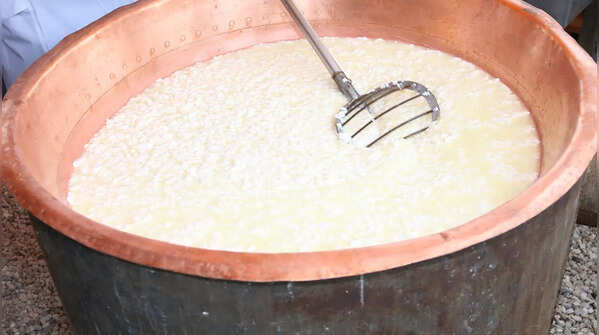
How to make paneer soft every time
Here, we will tell you about 5 smart tips and secrets that you can follow at home and every time your paneer will turn out to be soft.
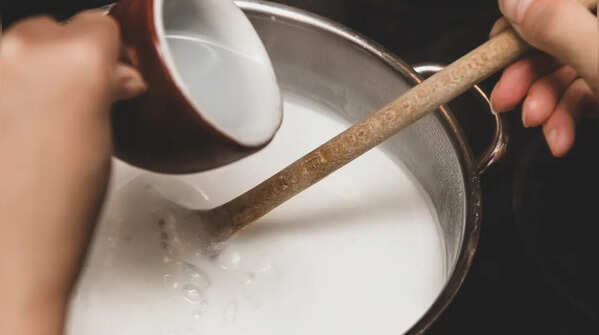
Tip 1: Add acid slowly
When it comes to adding acid (lemon juice or vinegar) people often add it all in one go right after the milk boils. The trick is to add lemon juice one tsp at a time. Stir gently for 4-6 seconds and then again add a tsp, until you see curd forming gradually around the spoon. Stop adding acid the moment the whey turns clear and greenish. Also, while adding the acid, make sure you keep stirring the milk as it helps with faster curdling and keeps the paneer soft as well.
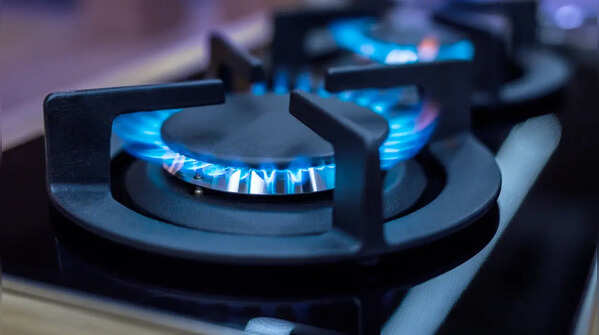
Tip 2: Remove from heat immediately
People often keep boiling the whey and curd once it is separated, just with a hope to make it perfectly curdled one. This is where it goes all wrong. The rule is: do not simmer anymore. The moment you see clear, greenish yellow whey with no milky-white cloudiness, immediately switch off the flame.
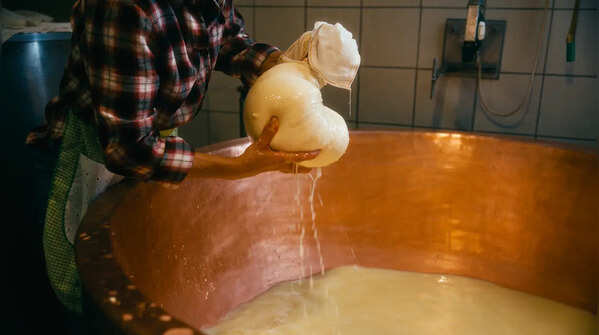
Tip 3: Rinse curds with cold water
After straining the whey, people simply place the curd into a mesh or cloth and start giving it a shape. People often miss that the curd is still hot and it is important to stop its further processing. The solution is to run cold tap water over the strained curds for 15-30 seconds. This will halt the cooking process and locks in the soft texture. It also rinses away any residual lemon or vinegar taste.
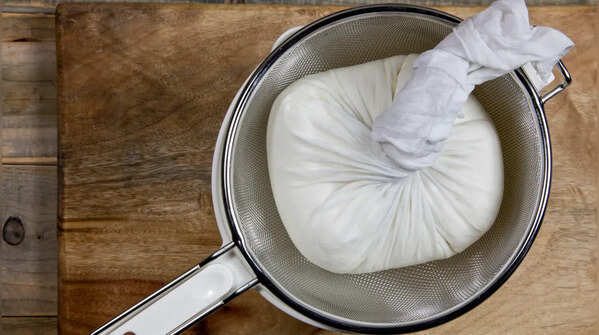
Tip 4: Press only for 30-40 minutes
Pressing the paneer for too long doesn't give you anything extra. This myth needs to be debunked. The key is to press the paneer for only 30-40 minuyes maximum with a gentle weight. If you need paner for bhurji or salad, then press it for 15-20 minutes. For curries like palak paneer and shahi paneer, press for 30-40 minutes so that it can hold the shape, but be careful while cutting. And for tikka and kebabs, one can press them a bit longer but not beyond 50 minutes. Anything beyond this will make your paneer hard and chewy.
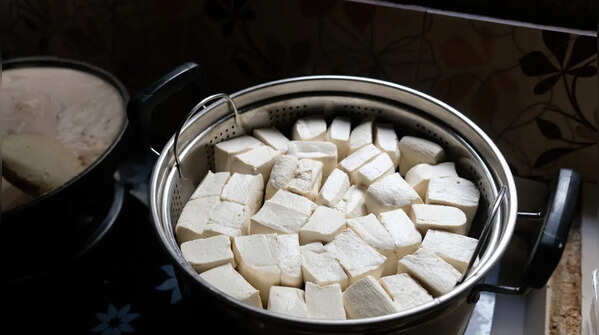
Tip 5: Ice water soak after pressing
After pressing the paneer, people start cutting and cooking it for dishes. The practice needs to stop. It is important to give the pressed paneer a ice water soak, so that the cold water firms up the outer surface of paneer and at the same time keeps the interiors soft and creamy. It also rehydrates the outer layer slightly, counteracting any dryness from pressing.
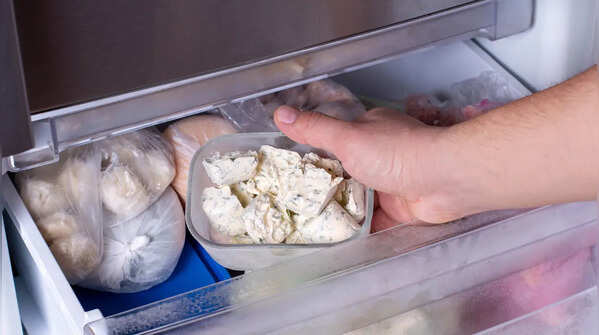
Why to avoid refrigeration after pressing
Refrigerating paneer right after pressing cools the entire block uniformly, which firms interiors and exteriors together and the paneer ends up chewy in the final dish.
Images Courtesy: istock
Featured In Food

MORE FROM ETIMES
life & style