
- News
- lifestyle
- health-fitness
- health-news
- High cholesterol: Note this warning sign in the leg while exercising
High cholesterol: Note this warning sign in the leg while exercising
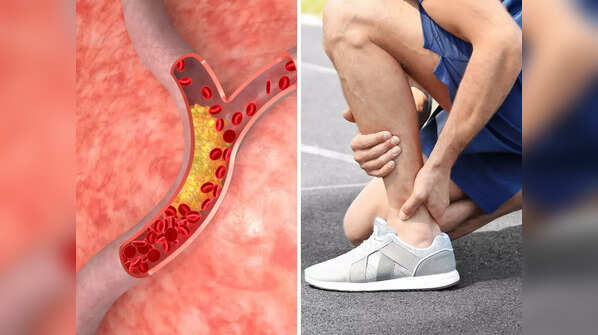
Warning sign in the leg when exercising
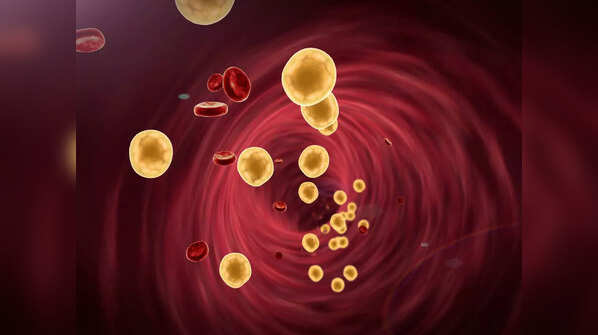
Cholesterol is an integral part of our body, which although has earned a bad name, helps in building healthy cells. It is a waxy substance that promotes efficient blood flow. However, when cholesterol levels in the body increases excessively, it can lead to the formation of fatty deposits or plaque on the walls of the arteries, which could hamper the flow of the blood to the tissues, while negatively impacting heart health and increasing the risk of a heart attack or a stroke.
Why high cholesterol is called a silent killer
As discussed, cholesterol can be beneficial as long as it stays under control. That said, it can be divided into two categories namely LDL cholesterol, often referred to as "bad" cholesterol and HDL cholesterol, often referred to as "good" cholesterol.
Most of the time, a 'bad' cholesterol build up in your arteries may not manifest itself through symptoms. However, high cholesterol can develop fatty deposits in the blood vessels, which can give rise to many other ailments that could produce symptoms.
Also read: Then vs. Now: How COVID-19 symptoms have changed over time
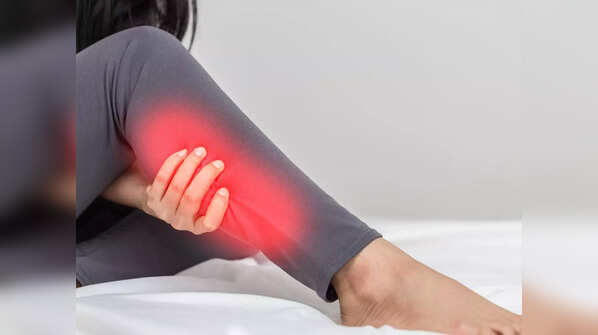
Beware of this warning sign in the leg (while exercising)
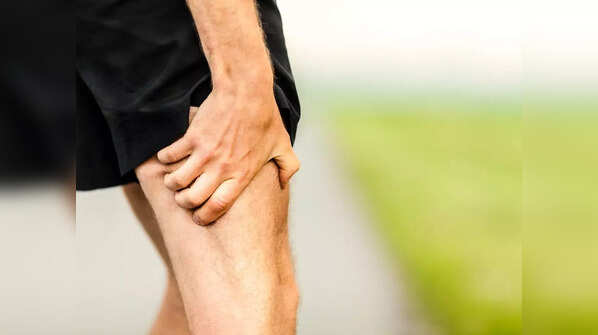
A few indications of high cholesterol could appear in the leg, especially while exercising. One of the signs include an unusual sensation in your legs, an outcome of cholesterol build up in the arteries of the legs and feet. This condition is called peripheral artery disease (PAD).
According to the Mayo Clinic, PAD can cause “painful” cramping in your hips, thighs or calf muscles. In this, the legs or arms, usually the legs, do not receive enough blood flow, as per the healthy body.
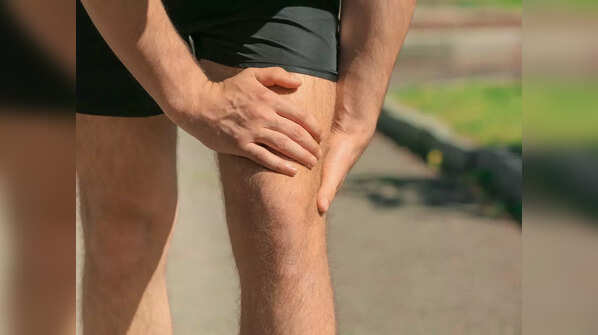
What is PAD?
PAD or peripheral artery disease is when the arteries narrow down due to the blockage caused by fatty deposit build up in the arteries. It most often affects the lower body, reducing or blocking blood flow in a person’s limbs, particularly legs, feet and calf muscles.
Other signs to note
The Mayo Clinic lists down other symptoms that can signal PAD- associated with high cholesterol. These include:
- Leg numbness or weakness
- No or a weak pulse in the legs or feet
- Shiny skin on the legs
- Skin color changes on the legs
- Slower growth of the toenails
- Sores on the toes, feet or legs that won't heal
- Pain when using the arms, such as aching and cramping when knitting, writing or doing other manual tasks
- Erectile dysfunction
- Hair loss or slower hair growth on the legs
Understand your risk of PAD
If you postpone your health checkups or leave your high cholesterol untreated, it can lead to several health problems including various heart diseases.
Having said that, those with high cholesterol and high blood pressure, people who smoke, diabetic patients, and older adults are all at risk of PAD.
How to lower your risk?
When it comes to reducing your risk of high cholesterol, a healthy diet is a must. Avoid foods that are rich in trans fat and consume more nutrient-dense vegetables, fruits and meat.
Exercise regularly, even if it means going for an hour of walking.
Quit smoking and cut down on alcohol intake. Most importantly, watch your weight.
Foods to reduce your risk of high cholesterol
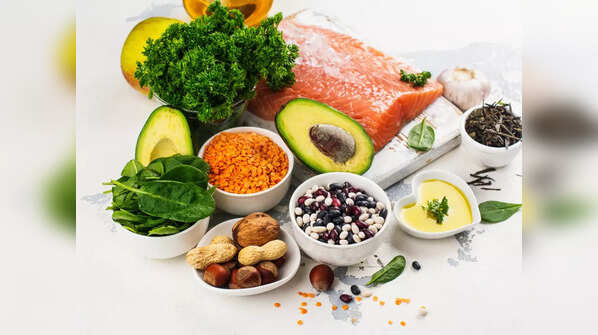
According to Mayo Clinic, foods that are rich in omega-3 fatty acids such as salmon, mackerel, herring, walnuts and flaxseeds and soluble fiber such as oatmeal, kidney beans, Brussels sprouts, apples and pears, can lower your risk of high cholesterol.
The health body claims that soluble fibre can reduce the absorption of cholesterol into your bloodstream.
Featured In lifestyle

