
- News
- lifestyle
- home-garden
- 7 easy container flowers to grow in May for nonstop summer colour
7 easy container flowers to grow in May for nonstop summer colour
7 easy container flowers to grow in May for nonstop summer colour
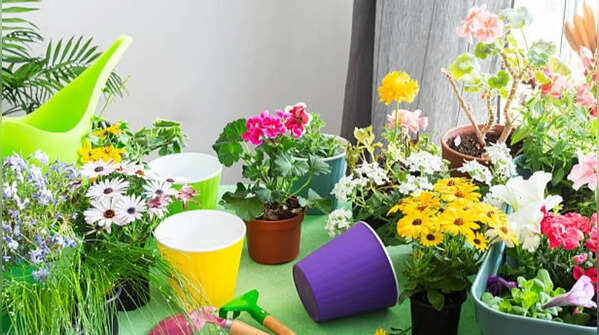
The month of May can be considered an ideal period for planting flowering plants in containers before the onset of summer. It is a period that comes with warm temperatures, plenty of sunlight, and improved gardening conditions. Most plants begin to flower profusely during this time due to all the favourable growing conditions. One type of gardening that has gained popularity, especially among city dwellers, is container gardening, which has made balconies, terraces, patios, and window sills colorful during the summer. Gardening experts usually recommend selecting flowering plants that bloom constantly throughout the summer period with minimum maintenance and regular watering. Below are the names of seven easy flowers commonly grown in containers during May to provide summer coloration.
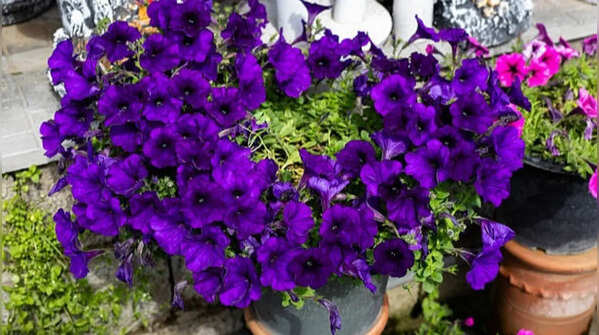
Petunia provides beautiful overflowing pots
Petunias are among the most common and favorite summer flowers in containers due to their profuse blooming in various colors such as pink, purple, white, and red. The fast-growing nature of the flowers helps them fill the hanging baskets and pots quickly. According to gardening experts, petunias grow well in sunny positions with regular watering and occasional feeding. Removal of fading flowers is also necessary in encouraging blooming throughout the summer.
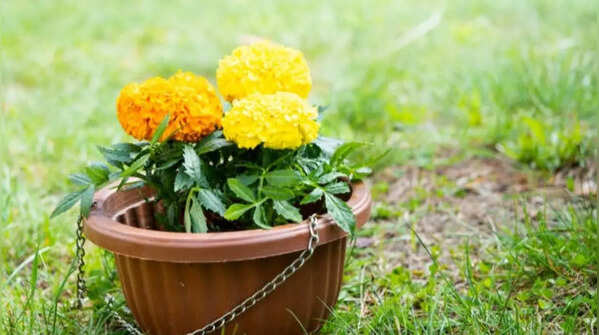
Marigolds grow easily and blooms for long
These flowers are preferred by many gardeners due to their ability to withstand heat and bloom consistently for a long time. The vibrant colors of yellow and orange flowers bring life and freshness to any balcony and entrance. Most gardeners prefer marigolds since they are easier to grow and maintain in container S. Some gardening experts also note that these flowers attract pollinators and repel some pests naturally. Marigolds require plenty of sunlight and moderate watering
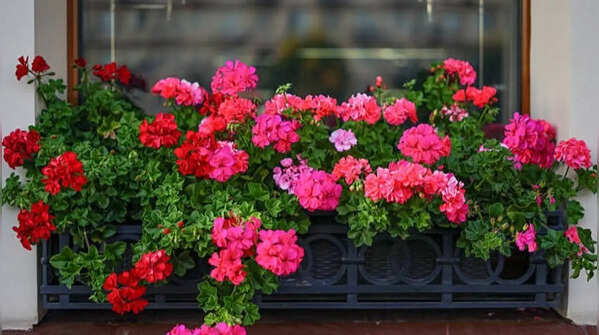
Zinnias are perfect in sunny locations
These quick-growing flowers bloom in various colors and therefore are excellent choices for filling container pots. The flowers do not mind hot temperatures and bloom beautifully in sunny places. Gardeners appreciate zinnias because they attract butterflies and flower consistently for many weeks without requiring complex management. Pruning the flowers regularly helps in maintaining consistent blooming and neat appearance.
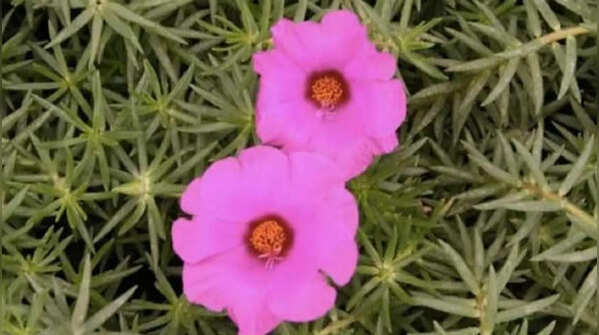
Portulaca tolerates extreme summer heat
Also referred to as moss rose, portulaca is among the easiest flowering plants for very sunny balconies and terraces. The leaves of the plant allow it to tolerate dry weather conditions better than other delicate flowers. The plant provides numerous blooming flowers in various colors such as pink, orange, yellow, and white. According to gardening experts, portulaca is an easy-to-grow plant that requires minimum watering but keeps blooming in sunny conditions.
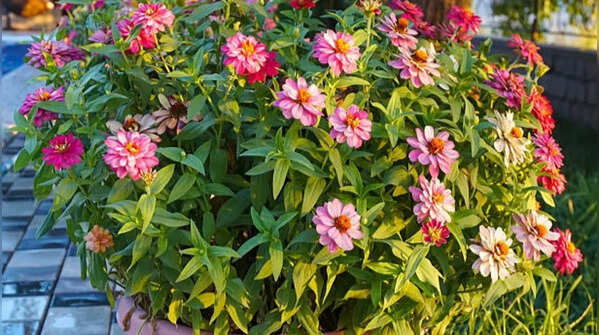
Begonia prefers shaded balconies
Unlike flowers that require intense sunlight, begonias can tolerate partial shading conditions and therefore are best suited to balconies with limited sunlight. The colorful flowers and attractive leaves make them ideal for container gardening during warm periods. Most gardeners appreciate begonias for their constant blooming with moderate watering and partial sunlight. Their compact size makes them ideal for small apartments where sunlight remains scarce throughout the day.
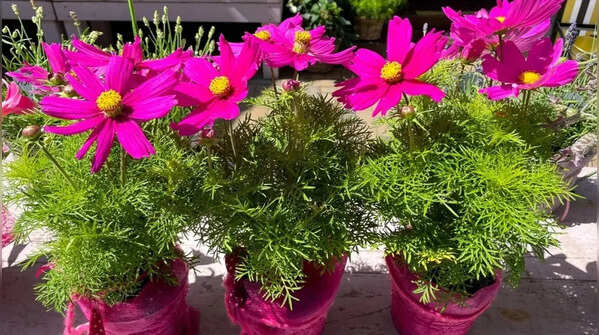
Cosmos provide airy natural beauty
Cosmos flowers have delicate petals and airy plant growth that gives the appearance of a natural garden setting. They grow fast from the seeds and continue to flower continually during the summer if planted in sunny locations. Gardeners usually place cosmos in big pots in order to benefit from their taller stems which add height to balconies and patios. These flowers also attract butterflies to create natural beauty in garden spaces.
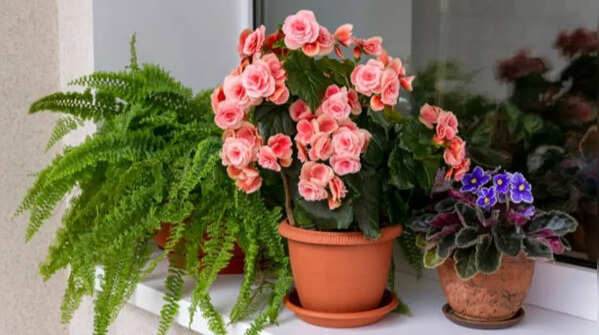
Geranium provides long-blooming season
Gardeners find geraniums among the most preferred container flowers due to their repeated blooming during warm summers. Numerous colorful clusters of flowers are ideal for balconies with railing, patios, and decorative plant pots. Gardening experts note that these flowers like regular watering and adequate sun exposure. As they bloom consistently, they are used by many gardeners for non-stop blooming throughout the entire season.
Disclaimer:
This article is for general informational and gardening awareness purposes only. Flower growth and blooming may vary depending on climate, sunlight exposure, soil quality, watering habits, and regional environmental conditions. Readers are advised to consult local gardening experts or horticulture professionals for plant-specific care guidance.
Featured In lifestyle

MORE FROM ETIMES
life & style