
- News
- lifestyle
- parenting
- parenting-stories
- 5 phrases that can emotionally hurt a child
5 phrases that can emotionally hurt a child
5 phrases that can emotionally hurt a child
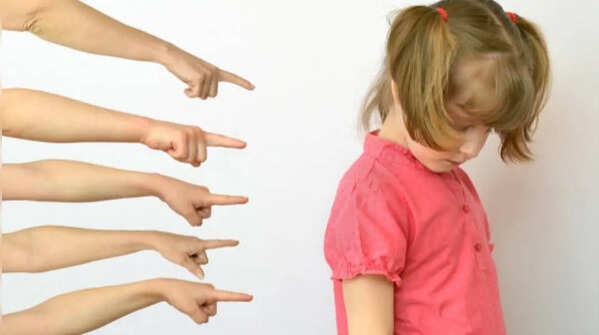
The words we say to children may appear to have a small impact in the moment, but they have a significant emotional impact on the child's life. Sometimes parents say certain words to their children while correcting or scolding or even guiding them, but these words have a negative impact on the child's self-confidence and self-worth. Child psychologists have often argued that the way we talk to children is the way they talk to themselves when they grow up. Thus, positive communication is of utmost importance for parents. Rather than hurting the child's feelings with harsh words, what they need is guidance and motivation. Here are five different words that emotionally harm a child and why parents should avoid saying these words to their children.

“Why can’t you be like your brother/sister?”
One of the most harmful factors for a child's self-confidence is comparison. When parents compare their children with their brothers or sisters or even others, the child may start to feel that they are not good enough. This may lead to feelings of jealousy and low self-esteem in the child. Every child is different and has different abilities and disabilities. Rather than comparing children with others, parents need to motivate them to improve their own abilities. When parents compare their children with others, they are more likely to grow up with a feeling of being "not good enough" despite their efforts to improve themselves.
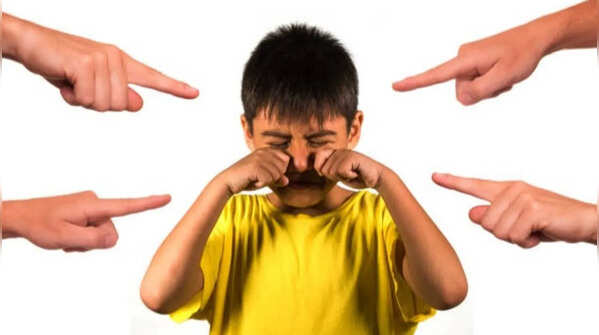
“Stop crying, it’s not a big deal”
When children are crying or upset, telling them it is not a big deal may make them feel their feelings are not important. For an adult, it may be a small matter, but for a child, it may be a big deal. When children are not taken seriously, they may not want to share their feelings anymore, and their emotions may be hidden from their parents. This may affect their emotional development as children. Parents should not tell their children it is not a big deal; instead, they should comfort them by saying, “I understand you are upset.”

“You always do everything wrong”
This is a very hurtful statement for a child. When children are told, “Always do everything wrong,” they may feel like failures because of the use of words like “always” and “never.” This may make them feel like they are not good at anything, and their personality may be affected negatively. Children may feel like they cannot do anything right, and their self-confidence may be reduced. Parents should not use this statement; instead, they should tell their children they have made a mistake and how to do it right next time.
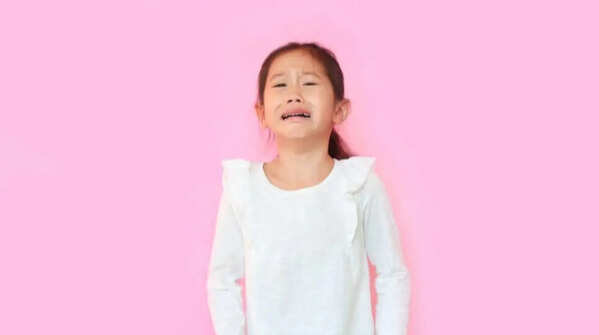
“I am disappointed in you”
Disciplining children is important, but telling them, “I am disappointed in you,” may affect their emotional development as a child. When children are told their parents are disappointed in them, they may feel like their parents do not like them, and this may make them feel guilty, ashamed, and distant from their parents. This may lead to fear instead of respect for their parents. Parents should not say, “I am disappointed in you.” Instead, they should say, “I am not happy with your behavior, not you.”

“Because I said so”
This phrase ends the communication between the parents and the children. When the children ask questions and the parents answer them in such a way, the children feel as though their opinions do not matter. Communication is an essential tool for the development of trust. Instead of ending the communication, the parent should communicate the reason in simple terms. When the children understand the reason for something being right or wrong, they learn to be disciplined.
Featured In lifestyle

MORE FROM ETIMES
life & style