
- News
- lifestyle
- parenting
- parenting-stories
- 5 things children remember about their parents long after they grow up
5 things children remember about their parents long after they grow up

5 things children remember about their parents long after they grow up
Children may forget the exact date of a family holiday, the brand of shoes they wore in third grade or the name of a teacher they once adored. But they rarely forget the emotional weather of their home. Long after they become adults, what stays with them is not always the grand gesture or the expensive gift. More often, it is the tone of a parent’s voice, the feeling of being seen, the way conflict was handled, the atmosphere at the dinner table. Parenting leaves a long shadow. Some memories fade, but others settle deep into a child’s sense of self and remain there for decades. These are the things that tend to last. Scroll down to see the things that tend to last.
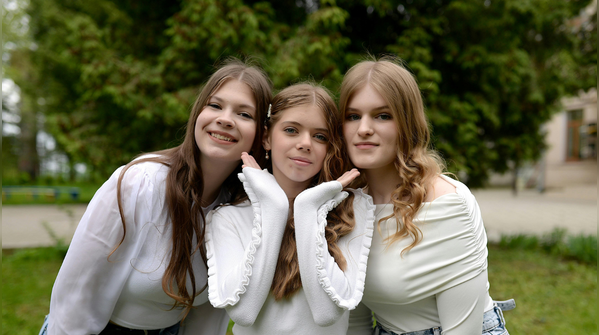
The way they made a child feel
Before children remember advice, they remember atmosphere. They remember whether home felt safe, tense, warm, unpredictable or heavy with criticism. A parent’s emotional presence often becomes a child’s first lesson in how the world works.
Adult children may not recall every conversation, but they remember the feeling of walking into a room and sensing whether they were welcome or burdening someone. They remember whether their excitement was met with interest or brushed aside. They remember whether they were comforted when frightened, or told to stop crying and get over it.
That emotional imprint can last for years. Children raised in a home where they felt accepted often carry that steadiness into adulthood. Those who grew up feeling judged or ignored may spend years trying to unlearn the belief that they are too much, too sensitive or not enough.
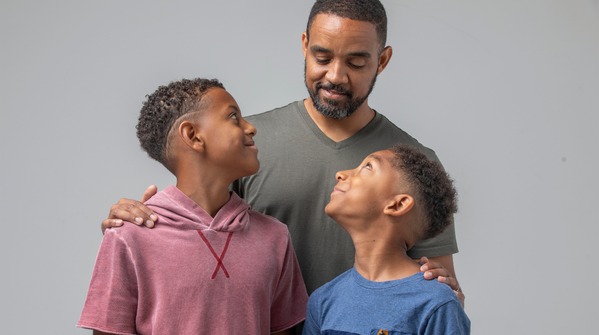
The words their parents used most often
Parents may not realize how sharply a child can hold on to repeated phrases. The things said in frustration, in praise, in fear or in passing often become part of a child’s inner voice. Over time, those words can echo long after the parent has forgotten saying them.
What feels fleeting to an adult can feel permanent to a child. Their minds are still forming patterns, still deciding what to believe about themselves and the world. In those early years, language does not just pass through them. It settles, takes root, and quietly shapes how they interpret everything that follows.
A child who hears “You never do anything right” may carry that line into adulthood as self-doubt. A child who repeatedly hears “I believe in you” may internalize resilience in the same way. Even casual language matters. Children remember whether they were spoken to with respect or dismissed with irritation.
That is why parents often have more power in their offhand remarks than they realize. One sentence can become a wound, but it can also become a lifeline. Children grow up, leave home, build their own lives, yet many still hear their parents’ voices when making decisions, confronting failure or trying to soothe themselves.

How they handled conflict
Children do not just remember whether their parents argued. They remember how those arguments unfolded. Did voices rise into threats and silence? Did one parent humiliate the other? Did the house feel unsafe during disagreements? Or did conflict end with apologies, compromise and repair?
This matters because children learn about relationships by watching how the adults around them handle tension. They absorb not only love but also pattern. If conflict at home was explosive, they may grow up fearing disagreement or recreating it. If it was calm, respectful and resolved, they may learn that differences do not have to destroy connection.
Adults often carry these lessons into their own marriages, friendships and workplaces. A child who once watched a parent refuse to speak for days after an argument may grow into an adult who fears emotional distance. A child who saw adults disagree without cruelty may later trust that conflict can be handled without collapse.

Whether they were allowed to be themselves
One of the deepest memories children carry is whether they were accepted as they were, or only loved when they performed correctly. Parents do not have to approve of every choice to make a child feel valued. But children are acutely aware of whether their personalities, interests and emotions were welcomed or quietly corrected into something more convenient.
They remember whether they were encouraged to speak freely, whether their odd interests were taken seriously, whether their sensitivity was treated as weakness, whether their ambition was supported or ridiculed. They remember whether they were compared constantly to siblings or neighbors, or allowed room to be a separate person.
Being seen as an individual leaves a lasting mark. Children who feel accepted for who they are often grow into adults with more stable self-worth. Those who feel they had to perform for approval may spend years trying to earn the same love they should have felt freely.

The sacrifices that were never fully spoken about
As children grow older, they often begin to notice the things they once missed: the tired eyes, the skipped meals, the worn-out clothes, the quiet financial strain, the dreams postponed so a child could have a better chance. These sacrifices often become clearer only in hindsight.
In many families, these moments were never announced or explained. They were folded into daily life, hidden behind routine and silence. It is only later, with distance and maturity, that children begin to connect the dots and see what was quietly given up for them.
What children remember is not always the sacrifice itself, but the meaning behind it. They remember a parent working late, missing comforts, pushing through exhaustion or putting family needs ahead of personal desires. They may not have understood it at the time, but later they recognize the shape of devotion.
This memory can be tender and complicated. Some children feel deep gratitude. Others feel guilt, or sadness, or the weight of realizing how much their parents carried silently. But even when unspoken, sacrifice becomes part of the story children tell themselves about where they came from and who loved them enough to endure.
Featured In lifestyle

MORE FROM ETIMES
life & style