
- News
- lifestyle
- parenting
- parenting-stories
- 7 reasons why parents should avoid labelling children in families
7 reasons why parents should avoid labelling children in families

7 reasons why parents should avoid labelling children in families
In most domestic settings, children tend to be referred to by fixed labels like ‘the naughty one,’ ‘the smart one,’ or ‘the sensitive one.’ Although these appear harmless and even endearing on the surface, child psychologists indicate that there can be a subtle way through which a child’s identity is constructed. The reason why it is essential to understand the importance of labels is that it enables parents to provide a conducive environment to all the children in their homes.

Labels can limit a child’s identity
Children, when labelled, tend to view themselves through this very small definition. For example, a child labelled as shy tends to avoid places with lots of social interactions, while another child labelled as clever tends to fear failing. Labels prevent children from discovering other aspects of their personality. Some children tend to feel trapped instead of developing freely. This prevents children from gaining confidence in something other than their labelled personality.

Labels encourage self-fulfilling behaviour
The children grow up to fulfil the expectations that are attached to the labels. A child labelled ‘naughty’ can continue the way they are, as they are expected to do so. The ‘responsible’ child can feel pressured into performing in the best possible manner all the time. These are some of the things that can affect the long-term behaviour pattern formation in children and make it difficult for them to move out of it. The behaviour pattern in the children can be subtly programmed through the labels.

Labelling can harm self-esteem
Negative labels will directly affect the identity of the child. Being consistently exposed to negative labels has the capacity to make children believe that they are unworthy, inadequate, or misunderstood. Positive labels will also be negative to the children if, in the children’s minds, the labels mean that the children should always live up to them.
It creates unhealthy sibling comparisons
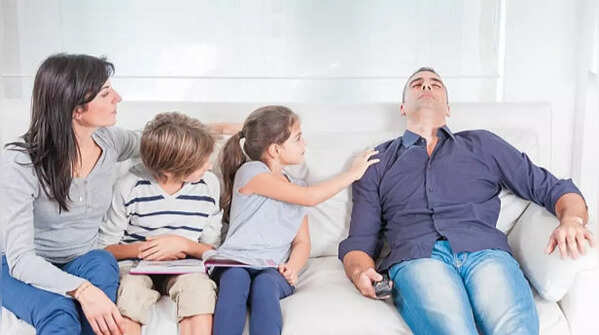
Labels frequently create comparisons among siblings. If one sibling is known as "the smart one" and the other as "the emotional one" among others, competition and jealousy will emerge. The children would feel as if they were not counted, considered less than others. Avoiding labelling will provide the children with the feeling of equality, not based on comparison.

Labels ignore growth and change
Children are always growing and developing. One child may struggle that day and shine the next. Labelling the child stagnates their development and overlooks their potential for growth. If one puts labels on their children and relies on them, they can overlook the improvement and budding talent. Acknowledging growth can promote resilience and motivation because they realise that they are not defined by their past.
Labelling reduces open communication
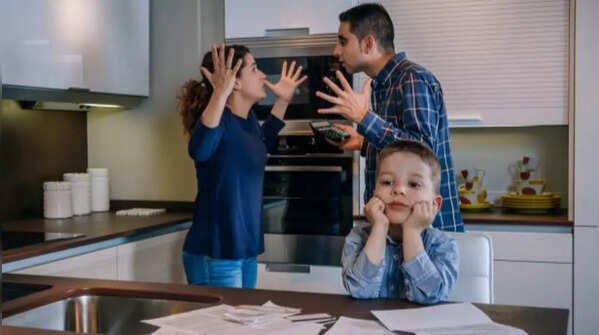
Children will stop being themselves if they feel they are being labelled. "Strong" children will not express their emotions, while "troublesome" children will feel as if their voices are not being heard. By removing labels from the process of parent-child discussions, children can open up freely to their parents without being misunderstood.

Describing behaviour is better than defining the child
Rather than using labels, particular behaviours allow children to learn and grow. Children need behaviour-related communication that promotes responsibility without affecting their identity. Behaviour-related communication conveys that children can modify their behaviour and that errors aid in learning and development.
Featured In lifestyle

MORE FROM ETIMES
life & style