
- News
- lifestyle
- parenting
- parenting-stories
- Parenting quote of the day by John Locke: “We are like chameleons, we take our hue and the color of our moral character, from those who are around us”
Trending
Parenting quote of the day by John Locke: “We are like chameleons, we take our hue and the color of our moral character, from those who are around us”
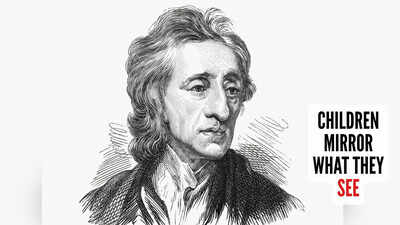
Children absorb moral character from their surroundings, mirroring the actions and reactions of adults. Home environments, through consistent warmth, respect, and fairness, shape a child's inner voice and resilience. Everyday habits, like honesty and gratitude, build a strong moral compass, proving that example is the most potent form of guidance.
That moment tells a child that dignity does not shrink when someone admits fault. It grows. Rules guide behaviour. Reactions shape identity.The emotional climate at home becomes their inner voiceThe way adults speak at home becomes the script children carry inside their heads. If a child often hears, “You never do anything right,” that line may echo for years. If they hear, “You made a mistake, but you can fix it,” resilience develops.Emotional climate is not about perfection. It is about consistency. Warmth, respect, and fairness build security. Fear and sarcasm build doubt.Parents do not need grand gestures. They need everyday awareness. The dinner table conversations. The way elders are treated. The respect shown to service workers. These details may seem small, but they paint the child’s moral colour. A home filled with dignity teaches dignity without a single sermon.The company children keep starts at homeLocke’s idea reminds families that influence is constant. Children take their moral shade from those around them. That includes parents, siblings, relatives, and friends. It is easy to worry about outside influence. Social media, peer pressure, school culture. But the strongest filter is still the home environment.When honesty is practiced daily, children recognize dishonesty quickly. When kindness is modeled consistently, cruelty feels unnatural. This does not mean controlling every friendship. It means building a strong inner compass first. A child who grows up watching fairness in action can sense unfairness in the world. The best protection is not restriction. It is example.Small daily habits shape moral strengthCharacter does not grow from speeches. It grows from habits.Does the family return extra change if given by mistake?Does someone speak up when something unfair happens?Does gratitude get expressed openly?Children register these acts. They store them quietly.Even how stress is managed leaves a mark. A parent who chooses conversation over silence during tension teaches courage. A parent who manages disappointment without blaming others teaches responsibility. The moral colour children take is not painted in dramatic strokes. It is layered in ordinary moments.Becoming the environment you want them to absorbThis quote places a gentle but firm responsibility on adults. If children reflect their surroundings, then surroundings matter deeply. This does not demand perfection. It demands awareness.Parents can ask simple questions:What tone fills the house most days?What values are visible in action?The answer may surprise.When parents actively choose patience, fairness, and integrity, they are not just improving themselves. They are shaping a future adult. Children may forget advice. They rarely forget atmosphere. Locke’s insight reminds families that influence is continuous. Every day offers a fresh chance to choose the color being displayed.Disclaimer: This article is intended for general parenting awareness and reflection. It does not replace professional psychological or educational advice. Every child and family situation is unique, and guidance from qualified experts may be helpful when facing specific behavioural or emotional challenges.

About the AuthorTOI Lifestyle Desk
End of Article
Follow Us On Social Media
Tired of too many ads?go ad free now
lifestyle videos
Featured In Parenting

Tired of too many ads?go ad free now



MORE FROM ETIMES
life & styleHot on the Web
Rajpal YadavPlato QuoteAssi ReviewSalim KhanJana NayaganDelhi MetroFunky OTT RelesaeAmitabh BachchanVijay DeverakondaToxic TeaserRaj KundraThe 50 WinnerR MadhavanKiku ShardaHouse Of The Dragon 3 TeaserSalman KhanNeena Gupta'O'Romeo' Box Office CollectionFyodor Dostoevsky QuoteRajinikanth HouseSocrates QuoteRaakshasaRanveer SinghImmanuel KantKuno National ParkEnid BlytonThe 50Border 2 Movie ReviewMichael Douglas QuoteTu Yaa Main Movie ReviewToday Gold Rate in ChennaiDelhi Weather TodayDelhi AQI TodayMumbai AQI TodayMaharashtra Public Holidays 2026Julie SweetsAsha SharmaSam AltmanFemale King CobraMark ZuckerbergTata Punch Ev Facelift
Trending Topics
Latest MoviesBollywood MoviesHollywood MoviesTamil Movies 2026Telugu Movies 2026Malayalam Movies 2026Kannada MoviesMarathi MoviesBengali Movies 2026Top Rated Movies 2026Best Hindi MoviesBest English MoviesBest Telugu MoviesBest Tamil MoviesBest Malayalam MoviesBest Kannada MoviesBest Bengali MoviesUpcoming Hindi MoviesBest Movies Of All TimeBest Hindi Movies of All TimeLatest English MoviesLatest Malayalam MoviesEnglish TV NewsTamil TV NewsTelugu TV NewsMalayalam TV NewsKannada TV NewsMovie ReviewsBhojpuri Cinema NewsGujarati Cinema News
Popular Categories
Viral NewsK Pop NewsWeb Series NewsAnime NewsUpcoming English MoviesUpcoming Tamil MoviesUpcoming Telugu MoviesUpcoming Malayalam MoviesUpcoming Kannada MoviesFashion TipsTravel NewsEntertainment NewsBollywood NewsTollywood NewsKollywood NewsMollywood NewsFood NewsLatest Hindi MoviesLatest Tamil MoviesParenting TipsHome RemediesWeight LossBeauty TipsParenting TipsHindi VideosHindi Video SongsBhojpuri Music VideosLatest Telugu MoviesBhojpuri Music VideoHindi TV News
Latest News
Indian-origin lawyer Neal Katyal won case for Osama bin Laden’s driver before blocking Trump’s tariffsPAK vs NZ Rain Washout: Who benefits and who is in danger in T20 World Cup 2026 Super 8s?Pisces, Weekly Horoscope, February 22 to February 28, 2026: Brace for a week of focused effort“It’s over now"- Kawhi Leonard drops hard truth for Los Angeles Clippers after frustrating defeat to Los Angeles LakersWorld ocean conclave ’26 to be held from Feb 23–26Court grants bail to Anjuna cop in gold theft caseUkraine strikes Russia: 11 injured as Kyiv targets Moscow's industrial site and gas processing plantGoa breweries & distilleries back deposit refund schemeTNPSC exam: Helpdesks opened in CoimbatoreWho is Neal Katyal? The Indian-American lawyer behind Trump’s tariff lossSudipto Sen: A true event must disturb me, not let me sleep, and compel me to tell itClimate change adds to woes of 'tiger widows' of SunderbansUS tariff cut to 10% boosts outlook for India’s labour-intensive exports; pharma, textiles among key gainersGaurav Khanna on Jabb Zodiacs Met: I liked the newness Gen Z creators like Ishika Shahi bring to the tableCasio launches G-STEEL GST-B1000 in India at Rs 29,995: Here's what's newWhat Barack Obama said about UFO files that made Donald Trump say "he made a big mistake"Exclusive - Anupamaa actor Shivam Khajuria on the new track about male domestic abuse: When I first heard, I felt it was a very bold and important subject to exploreRain delays play: Is there a reserve day for Pakistan vs New Zealand Super 8 clash?