
- News
- lifestyle
- parenting
- teens-adolescents
- GK fact of the day: From corpse flower skunk cabbage, 5 flowers that look beautiful but smell horrible
GK fact of the day: From corpse flower skunk cabbage, 5 flowers that look beautiful but smell horrible
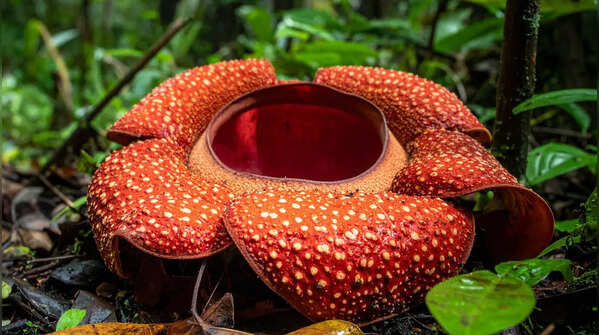
GK fact of the day: 5 flowers that look beautiful but smell absolutely terrible
When we think of flowers, what comes to our mind in the first instance is sweet fragrances and pleasant aromas. However nature has its own surprises. Some of the most visually striking and beautiful flowers in the world produce extremely unpleasant smells - ranging from rotting flesh to sewage like odours. These scents are not accidental; they play a crucial role in attracting specific pollinators like flies and beetles that thrive on decay. Here are five such flowers:
Let’s take a look!
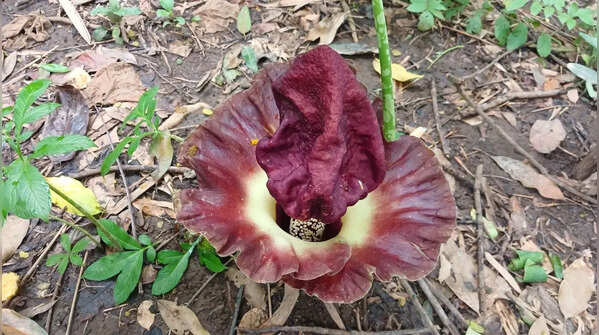
Titan Arum (Corpse flower)
The titan arum (Amorphophallus titanum) is often called the “corpse flower” because of its powerful smell of rotting flesh. Native to Indonesia, it produces one of the largest flowering structures in the world. The odour helps attract carrion insects like flies and beetles for pollination. Interestingly, the bloom lasts only 24-48 hours and occurs rarely making it a major attraction when it happens.
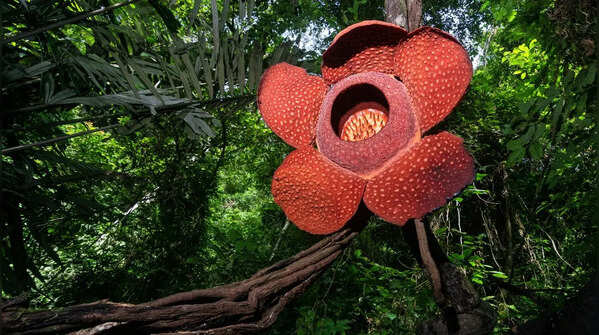
Rafflesia arnoldii
Known for producing the largest single flower on Earth, Rafflesia arnoldii is both fascinating and revolting. Despite its impressive size and reddish beauty, it emits a strong smell similar to a decaying carcass. This odour lures flies, which act as its primary pollinators. Unlike typical plants, it lacks leaves and stems growing as a parasite inside host vines.
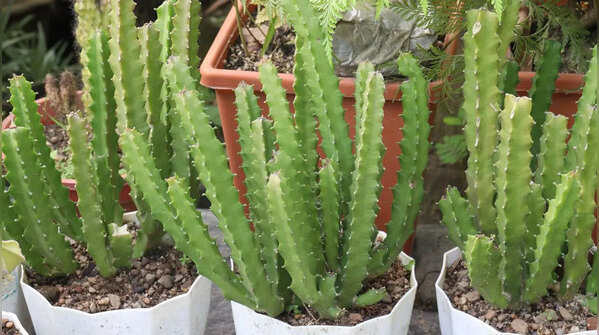
Stapelia gigantea (Carrion flower)
The Stapelia gigantea, often called the carrion flower, looks like a star-shaped succulent bloom with striking patterns. But its smell is far from pleasant - it mimics the scent of dead animals. This clever adaptation attracts flies that mistake it for decaying flesh and assist in pollination. Its deceptive beauty makes it both admired and avoided.
Hydnora africana
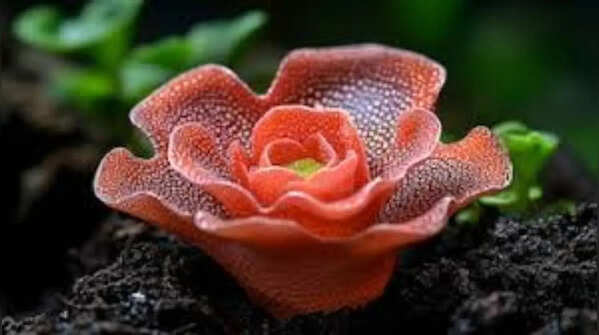
The unusual Hydnora africana grows mostly underground and emerges only to flower. Its fleshy, alien-like appearance is matched by a strong odour resembling dung. This scent attracts beetles which enter the flower and temporarily get trapped, ensuring pollination before being released. Despite its odd look and smell, it plays an important ecological role in its native habitats.
Skunk cabbage
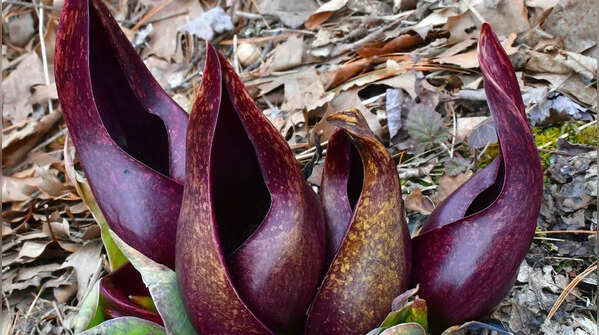
The skunk cabbage is famous for its ability to produce heat and melt surrounding snow while blooming. However, it releases a pungent smell similar to that of a skunk. This odour attracts early-season pollinators like flies. Its adaptability allows it to thrive in cold environments, making it one of the most unique and smelliest flowers in temperate regions.
These flowers challenge the idea existing the notion that beauty must pair with a pleasant fragrance. In reality their foul smells are clever survival strategies designed to attract the right pollinators. From the massive titan arum to the bizarre Hydnora africana, each of these plants proves that in nature, function often matters more than fragrance.
Featured In lifestyle

