World’s 5 most forbidden places and what lies behind the ‘No Entry’ signs


 Credit: iStock Credit: iStock |
01
World’s 5 most forbidden places and what lies behind the ‘No Entry’ signs
The allure of the forbidden is undeniable. Places that are entirely off-limits spark our imagination—maybe because they might contain ancient secrets, alien encounters, or untouched ecosystems. But the reasons for these restrictions are often practical: preservation, security, and respect for cultural heritage. Here’s a peek into some of the world’s most restricted sites and what we think lies behind those ‘no entry’ signs.
 Credit: iStock Credit: iStock |
02
Lascaux Caves, France
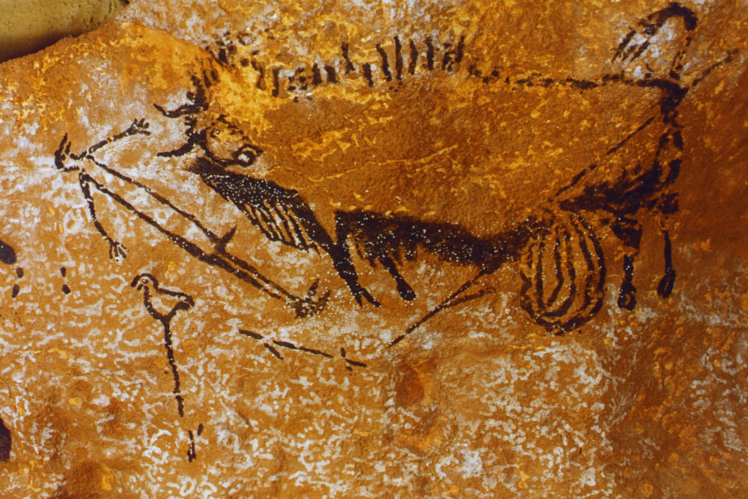
The Lascaux Caves in France are home to some of the most remarkable prehistoric paintings in the world. The artwork is more than 17,000 years old. These animal and symbol representations are priceless cultural relics that shed light on early human existence. Yet, the caves have been off-limits to the public since 1963 because of human-caused damage, as the artwork was deteriorated by moisture and carbon dioxide from visitors' breath. Today, only a small number of scientists are allowed inside.
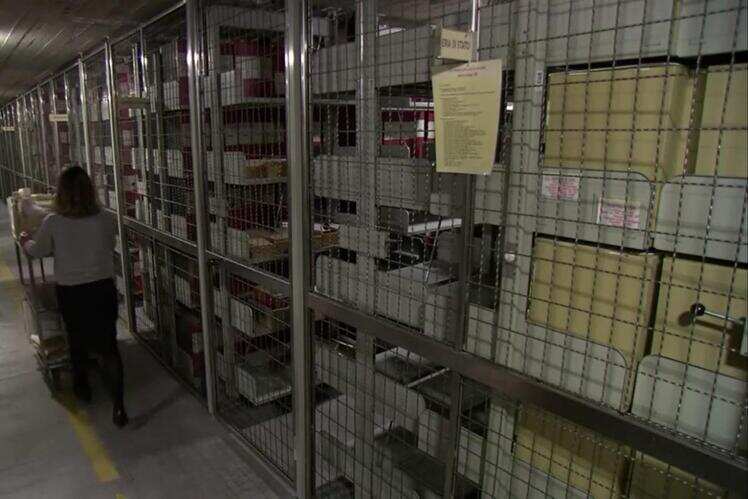 Photo by: Video of Vatican Television Center, Creative Commons Attribution Licence Photo by: Video of Vatican Television Center, Creative Commons Attribution Licence |
03
Vatican Secret Archives, Vatican City
Despite the name, the Vatican Secret Archives aren’t dark and ominous; they contain centuries-old documents that chart the Catholic Church’s influence on global history. From papal records to letters from Michelangelo, these archives house unique historical treasures. Only a select group of researchers who pass a rigorous screening process are granted access, which is quite restricted. For most of us, this trove of historical knowledge remains an enigma.
 Credit: iStock Credit: iStock |
04
Svalbard Global Seed Vault, Norway
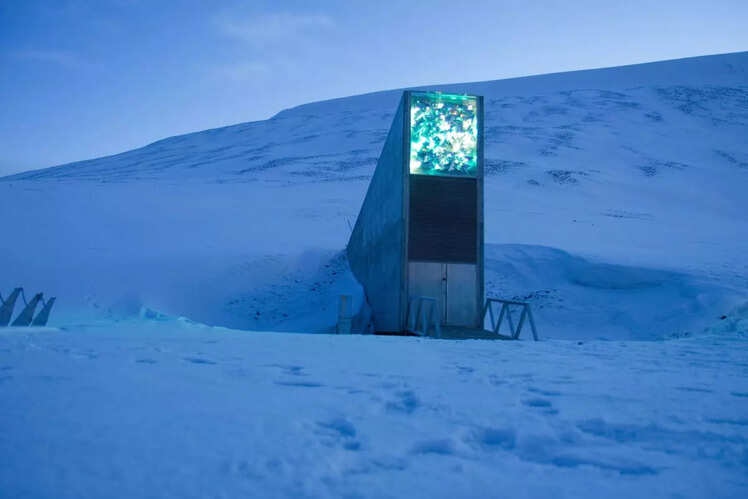
The Svalbard Global Seed Vault, also called the ‘Doomsday Vault,’ holds the world’s largest seed collection in an Arctic mountain in Norway. Created to preserve biodiversity and safeguard food security, the vault is designed to withstand disasters and store millions of seeds in freezing conditions. Public access is prohibited, and only researchers and officials have entry, adding to the vault’s mysterious aura as it quietly protects our agricultural heritage.
 Credit: iStock Credit: iStock |
05
Niihau Island, USA
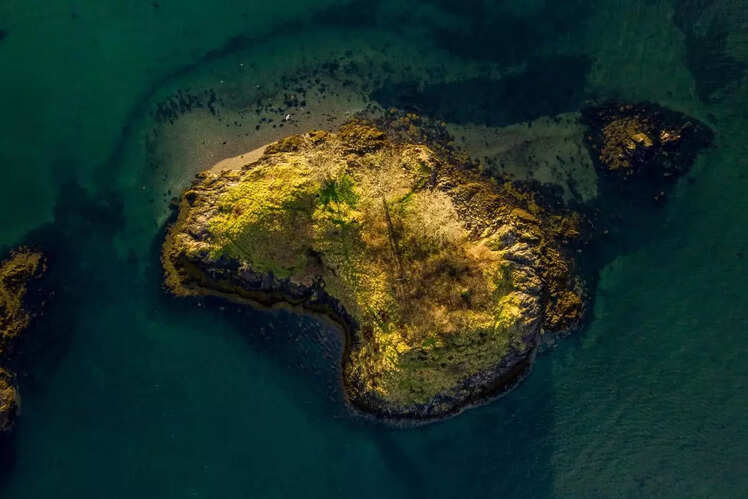
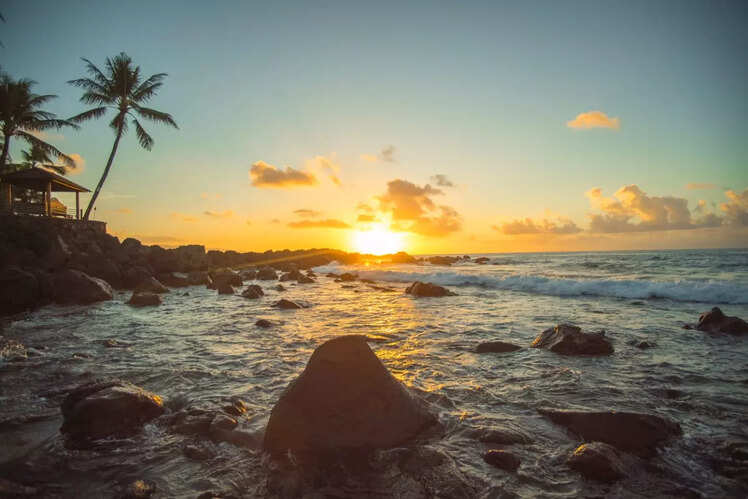
Known as the ‘Forbidden Island,’ Niihau is a privately owned Hawaiian island that has restricted entry since the 1860s. The small community there lives a traditional lifestyle, free from most modern amenities and technology. Only the island’s owners, the Robinson family, and its residents can visit, making it one of the last untouched cultural ecosystems in Hawaii.
Visual Stories
Right arrow
Travel
10 pretty Indian villages to visit this year-end
Travel
8 castles in Germany straight out of a fairy-tale
Travel
8 tiger reserves every wildlife enthusiast should visit in India
Travel
10 animals that are easily spotted in Ranthambore National Park
Travel
How to prepare for a night safari in India?
Travel
9 rare animals to spot in the Western Ghats and where to find them
Travel
10 must-visit Indian cities starting with the letter ‘V’
Travel
From tigers to caracals: Top destinations in Rajasthan to spot big cats
Travel
10 things to know before going on a tiger safari in Tadoba-Andheri Tiger Reserve
Travel
8 deadliest snakes that live in the forests of Amazon
Join Us On FacebookClose

closecomments

Be the first one to review.
We have sent you a verification email. To verify, just follow the link in the message
Trending Stories
America by rail: 5 iconic train journeys in the U.S. every traveller must experience once in a lifetime
8 hill stations travellers should avoid during heavy monsoon in India and their safer alternatives
5 classic hill stations in India that are also traffic nightmares
8 places in the world that look AI-generated but exist in real life and and how to visit them
10 unique sea snakes and places they can be found on beach by travellers
American traveller now settled in India shares some common things found in American homes missing in India
5 places on Earth where you can experience all four seasons in one road trip
At this village in Karnataka, farmers discuss Shakespeare, Hemingway and Kalidasa: How to reach and what to see
From lounges to last-minute deliveries — here's what's waiting for you at the Chhatrapati Shivaji Maharaj International Airport
From gym runs to weekend getaways: Why versatile bags are becoming travel and everyday essentials



Comments (0)